

The decision to release money as part of a move towards ‘Zero-based budgeting’ was signed off by Treasury Minister Susie Pinel at the end of July, but has only recently been made public.
Zero-based budgeting (or, as the Government abbreviates it to, ‘ZBB’) means that budgets start from scratch each year rather than the current system, which allows departments to carry over money from the previous year.
Consequently, each element of zero-based budget is costed, justified and approved on an annual basis, in theory making savings easier to identify and ensuring that spending remains in line with strategic objectives.
The £544,000 being taken from general reserves and handed to the Treasury’s own budget will pay for the next phase of the ZBB project, up to the end of this year.
Specifically, the money will be used to train two or three “ZBB champions” and some other “finance business partners” to train others in the accounting practice. It will also pay for a best-practice guide drawn up by consultants EY and the creating of a “rolling programme” of ZBB that will cover all departments and feed into the Government Plan spanning 2022-2025.
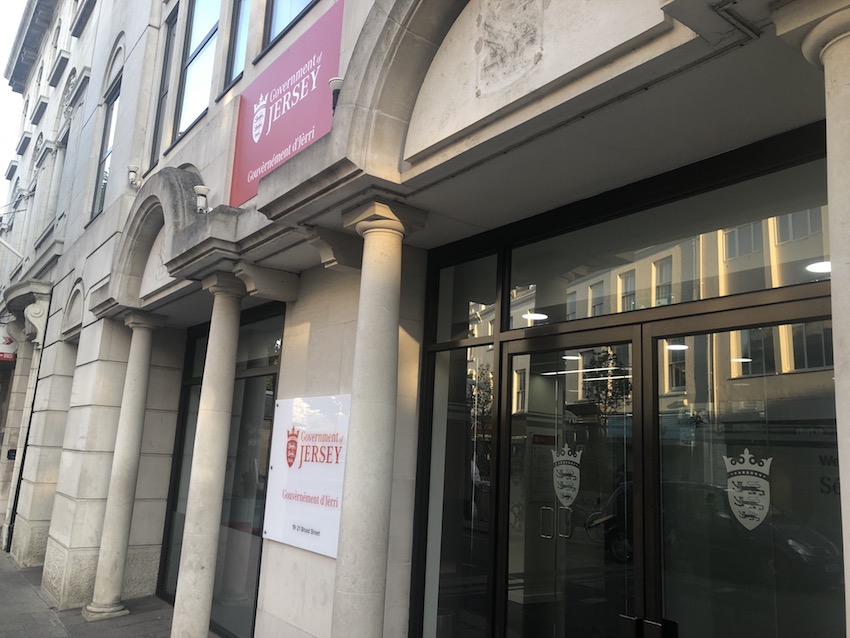
Pictured: The zero-based budgeting project has received financial backing despite many others being shelved because of Covid-19.
This phase of the project is expected to cost £732,000 in total this year, with the remaining £188,000 coming from other programmes and budgets within Treasury. That equates to £183,000 a month for the final four months of the year.
The Government concedes that this money is “not expected to give rise to cashable savings”, but it will “enable service improvements and efficiencies which will feed into next annual Government Plan, which covers 2021-2024″.
The ZBB project began earlier this year in the Treasury itself, but it was put on hold during the covid-19 lockdown. It has been restarted and is now running in the Health and Community Services department.
In order to receive the money from general reserve, the project had to be considered “urgent expenditure in the public interest”.
On Friday, the Government published a progress report six months into its 2020-2023 Government Plan, which revealed a £280m deficit in its finances by the end of this year caused by the covid-19 pandemic.
Although zero-based budgeting has received funding, other projects have been deferred, including an extension to Mont à l’Abbé school and the building of a Vehicle Testing Centre to comply with post-Brexit rules.
