

Why some businesses did not claim government funding to support their apprentices “remains a bit of a mystery” to the Economy Department, a scrutiny panel has heard.
The funding was available through the government’s Better Business Support Package, but chief economic adviser Tom Holvey said officials were surprised that some companies had not come forward.
Economic Development Minister Gerald Voisin told the panel this week that apprentice numbers had remained steady at about 430 despite increases in the minimum wage.
Asked whether the minimum wage “is preventing and hurting skill development”, he said: “I received some information just recently that the number of apprentices in the Island is consistent at about 430, so it doesn’t seem to have gone down in the last few years as the minimum wage has gone up.”
Jersey’s minimum hourly wage is £13.59, with trainee rates of £10.50 in the first year and £11.75 in the second.
Deputy Voisin added: “Some businesses have spoken to me about the high cost that they have to pay apprentices, and that they can’t pass that cost on to the customer. But as I say, the actual number of apprentices hasn’t gone down at all.”
The trainee minimum wage was abolished in 2024 but reintroduced in September 2025 after what Mr Holvey described as a negative impact from the minimum wage.
He suggested that its return could help explain both the steady apprentice numbers and why some businesses had not sought financial support.
“It could be that the trainee rate coming back into effect meant that some companies no longer felt they needed the government money to subsidise that demand,” the economist said.
“I think that’s maybe why we didn’t see the apprenticeships actually fall away – because that trainee rate did come back in.
“The reason companies didn’t access the funding that was available to them remains a bit of a mystery.”
Asked whether the funding had been sufficiently advertised to small businesses, Mr Holvey said promotion should be “proportionate” to avoid spending money intended for businesses on advertising and bureaucracy.
The panel also questioned the minister about skills shortages amid concerns about the impact of artificial intelligence on employment.
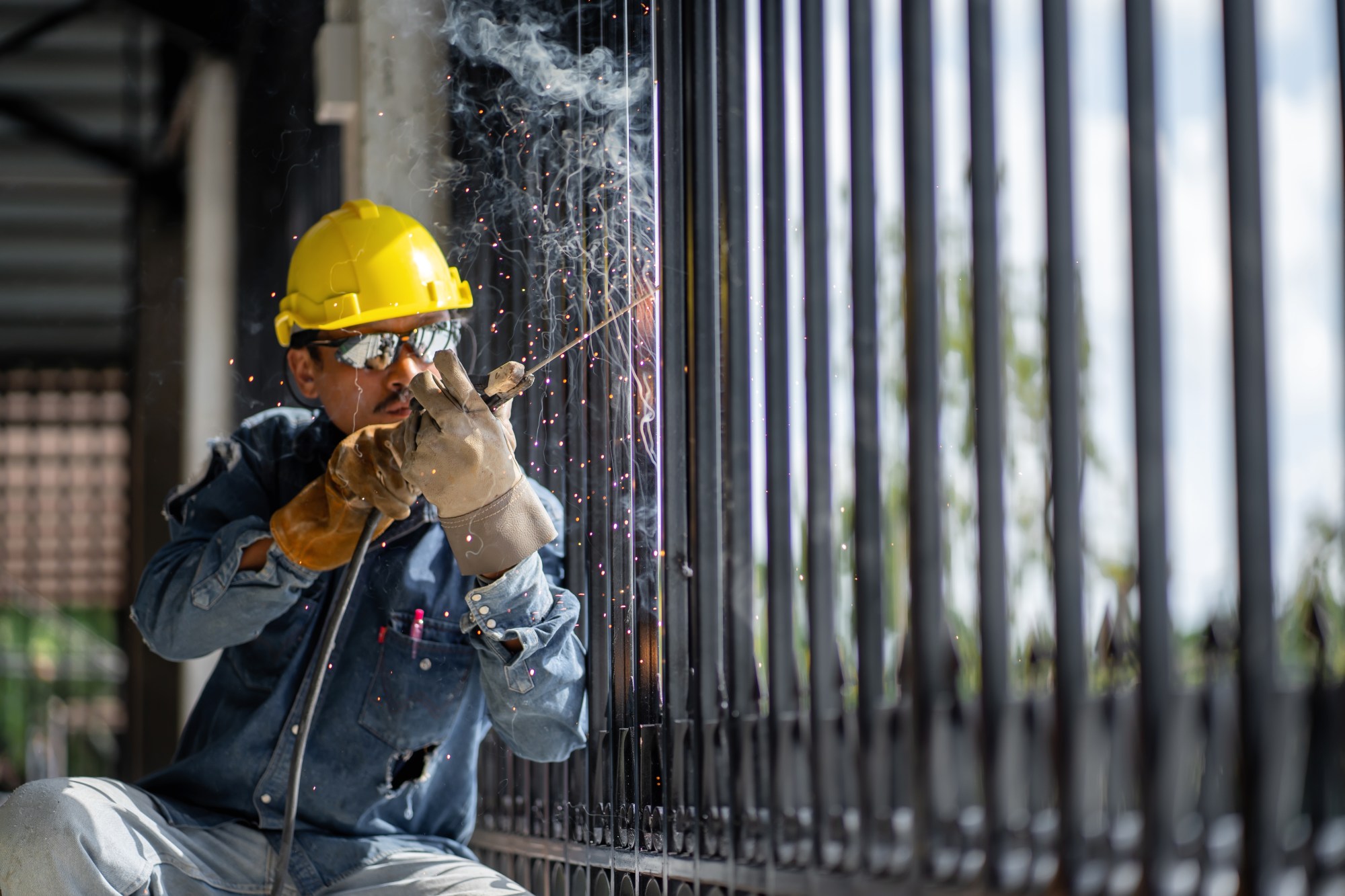
After Deputy Voisin cited welders as an example of a shortage, Deputy Samantha Gleave asked: “Are you saying that you aren’t aware, you haven’t got a full overview of where our skillset is weak at the moment? And if you don’t, what are you going to be doing to fix that gap of knowledge?”
Deputy Voisin said he would ask Skills Jersey for a top-ten list. Mr Holvey then reminded him that Skills Jersey already led an annual skills gap analysis, to which the department “heavily” contributed.
