

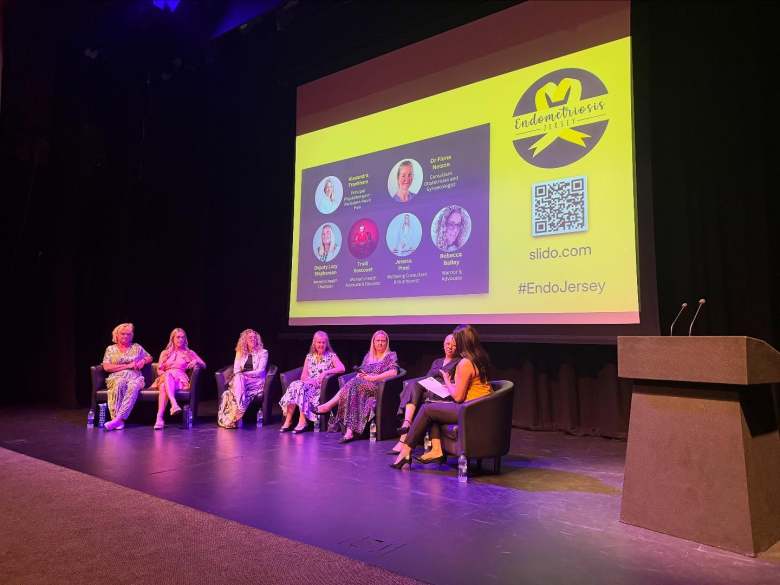
Endometriosis campaigners have called on the Government to reinstate Jersey’s women’s health strategy after it was scrapped last year – arguing that reproductive care is fragmented and a joined-up plan is needed to deliver co-ordinated multidisciplinary services.
The calls came during a panel discussion at the Jersey Arts Centre last night, which was organised by Endometriosis Jersey.
The Government scrapped its standalone women’s health strategy last year due to “resource constraints” – despite 1,600 islanders engaging in a consultation on the topic.
Less than half of respondents said their physical health needs were being met, and only a third felt their mental health was adequately supported.
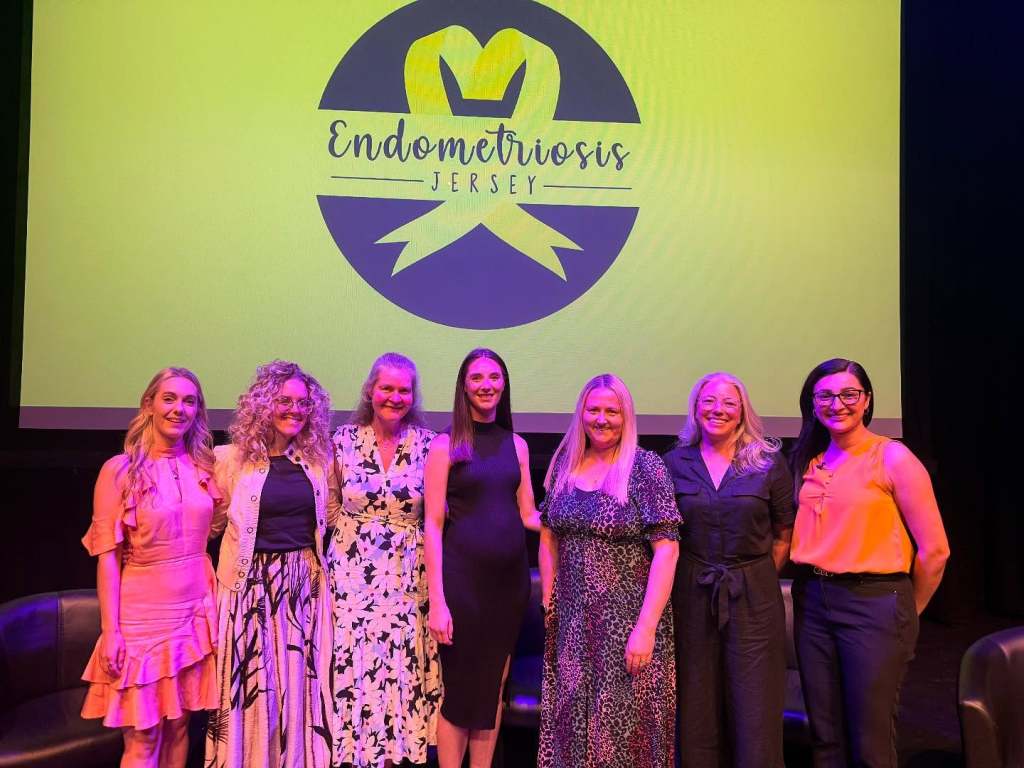
The Endometriosis Jersey event yesterday began with a screening of ‘Below the Belt‘, a documentary following the lives of four women with endometriosis – a condition that affects one in ten women and is known to cause chronic pelvic pain, infertility, and fatigue.
The panel featured consultant obstetrician and gynaecologist Dr Fiona Nelson, physiotherapist Alexandra Frankham, Deputy Lucy Stephenson, women’s health advocate Trudi Roscouet, wellbeing consultant Jessica Pinel, and endometriosis advocate Rebecca Bailey.
Discussion focused on the barriers to prioritising women’s health, including health inequalities, insufficient funding, limited specialist services and a lack of clinical awareness of conditions like endometriosis.
Deputy Stephenson, who sits on the Health and Social Security Scrutiny Panel, argued that services felt disjointed due to a lack of a dedicated women’s health strategy.

“There had been a previous plan to have a full strategy – and there now isn’t,” she said.
“It comes back to that point about funding. If we keep not filling the gaps or not talking about them because we’re worrying about the funding question, and we don’t solve the funding issue, we are going nowhere.”
“We’ve heard a lot of talk about working together, multidisciplinary approaches, whole-system approaches, from healthcare professionals to nutritionists to the community around us.
“And it to me, as somebody who’s not in the government, it just screams that we need that women’s health strategy.”
Ms Roscouet argued the decision to scrap the women’s health strategy, despite huge numbers of islanders being consulted on the topic, had undermined the scale of the issue.
“Let’s not waste money again on something that [the government] think is going to help us,” she said.
“There are people out there – private practices and charities – that are doing stuff.
“We just need to come together, bring the ideas together, and let the government listen to what women want.”
The panel called on the government to revisit the women’s health strategy, expand training for GPs and educators, improve menstrual health education, support community-led services, and address stigma in workplaces and across society.
Endometriosis Jersey founder Kate Fry concluded the event by stating: “We’ve got the answers now. It’s time to invest in people.”
