

Growing food bank usage in Jersey has been partially driven by tenants paying more to “keep roofs above their heads”, according to the boss of a Catholic social action charity.
Caritas Jersey CEO Patrick Lynch highlighted the impact of rent increases on islanders struggling to meet living costs during a hearing of the Environment, Housing and Infrastructure Scrutiny Panel.
The panel of politicians is currently reviewing Housing Minister Sam Mézec’s proposed changes to Jersey’s legal framework for residential tenancies.
If approved by the States Assembly this summer, the new rules would stop landlords from raising rent more than once a year, limit rent increases at the rate of inflation (RPI) and cap them at 5%, as well as allowing tenants to challenge unfair rent hikes through a new Rent Tribunal, among other changes.
The “wild west”
Mr Lynch told the panel that some islanders had described Jersey’s rental market as the “wild west”, adding that: “No time was that more evident than during the initial Covid period and [when] the cost of living crisis began.”
“Obviously inflation was rising very quickly,” he continued, recalling that Jersey’s RPI went above 12% at the end of 2022 and start of 2023.
“Regularly during that period we had people coming to us with 20%, 25%, 30% increases in their rent,” he said.
“Obviously landlords were having increased costs, but it was seen, we fear, as a time for exploitation as well.”
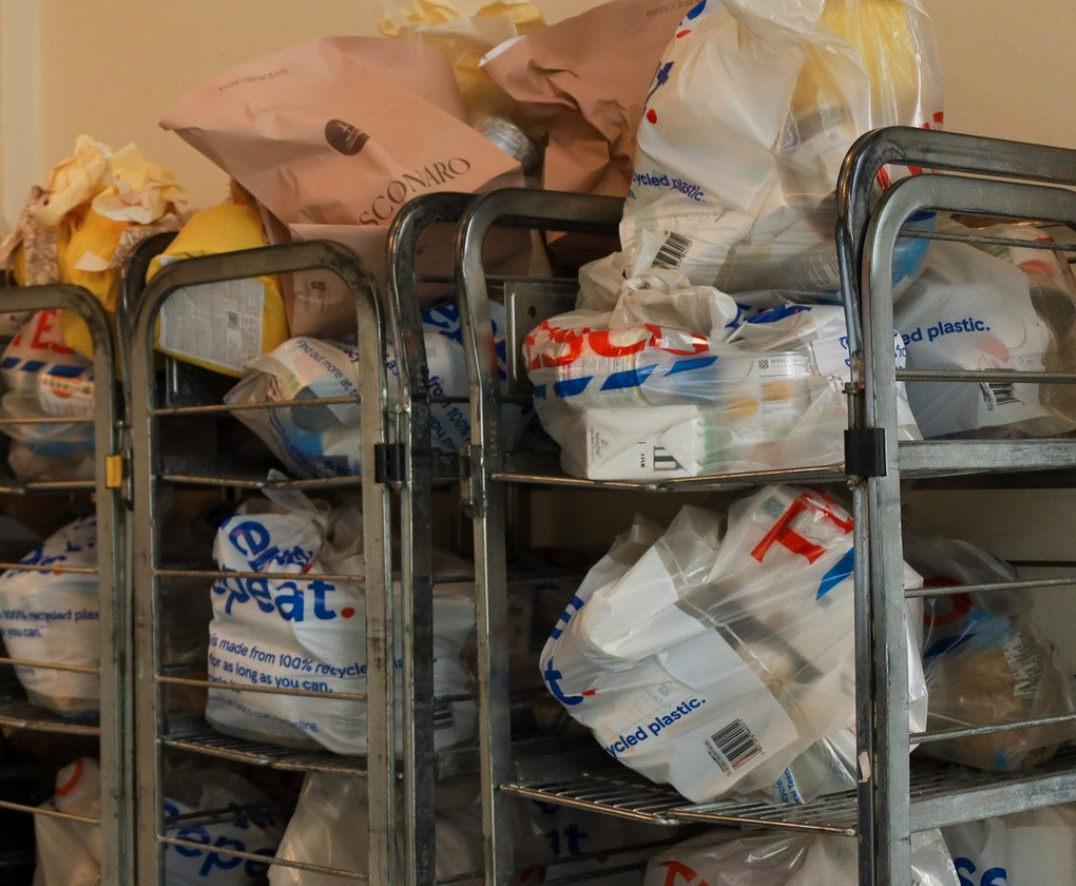
The charity CEO added that this had “fed into” issues that the charity was aware of as part of its day-to-day work, referencing the increase in food bank usage seen in recent years.
“People obviously want to keep roofs above their heads and so money just goes on rent now,” Mr Lynch continued, adding that islanders with low salaries that had previously “got them to the end of the month” were now turning to food banks for support.
A lot of what’s been proposed in other jurisdictions, or is enforced in other jurisdictions, goes well beyond this
caritas jersey ceo patrick lynch
During 2021, the Salvation Army gave out 1,040 food parcels, rising to 1,470 and then 2,850 in 2022 and 2023 respectively – with last year’s figure standing at 3,802.
And St Vincent de Paul food bank was providing support to over 500 households by the end of last year, compared to just under 200 at the beginning of 2022.
“That exponential rise in food bank usage is almost exclusively people in work, but who – because of the increased rents – don’t get to the end of the month,” Mr Lynch told the panel, explaining that this was reflected by the greater numbers of people coming to food banks towards the end of each month.
He noted that he personally “wouldn’t be naturally inclined towards rent controls or rent stabilisations” but added that “we are in an extraordinary time and extraordinary circumstances”.
“Rent increases went up so much that, if they are not curbed in some way, you are going to have an increasing problem,” Mr Lynch added.

He also said that the Housing Minister’s bid to prevent multiple rent increases in a year was “an absolute no-brainer”.
“It’s around certainty,” he explained.
“If you know there’s just going to be one increase in a year, you know the time frame it’s going to be, whether that’s first quarter, third quarter, whatever – it gives that certainty.
“I know there could be unintended consequences of rent controls and the evidence is mixed, shall we say, elsewhere of rent controls – whether they work or not.
“But our fear is that if nothing changes, where are we going to be as a society and where are individuals going to be.”
Mr Lynch said that while the changes “may be radical for Jersey”, he did not believe they were “radical generally”.
He added: “A lot of what’s been proposed in other jurisdictions, or is enforced in other jurisdictions, goes well beyond this.
“So all we’re doing is trying to bring Jersey up to some sort of a par with other comparable jurisdictions.”
