
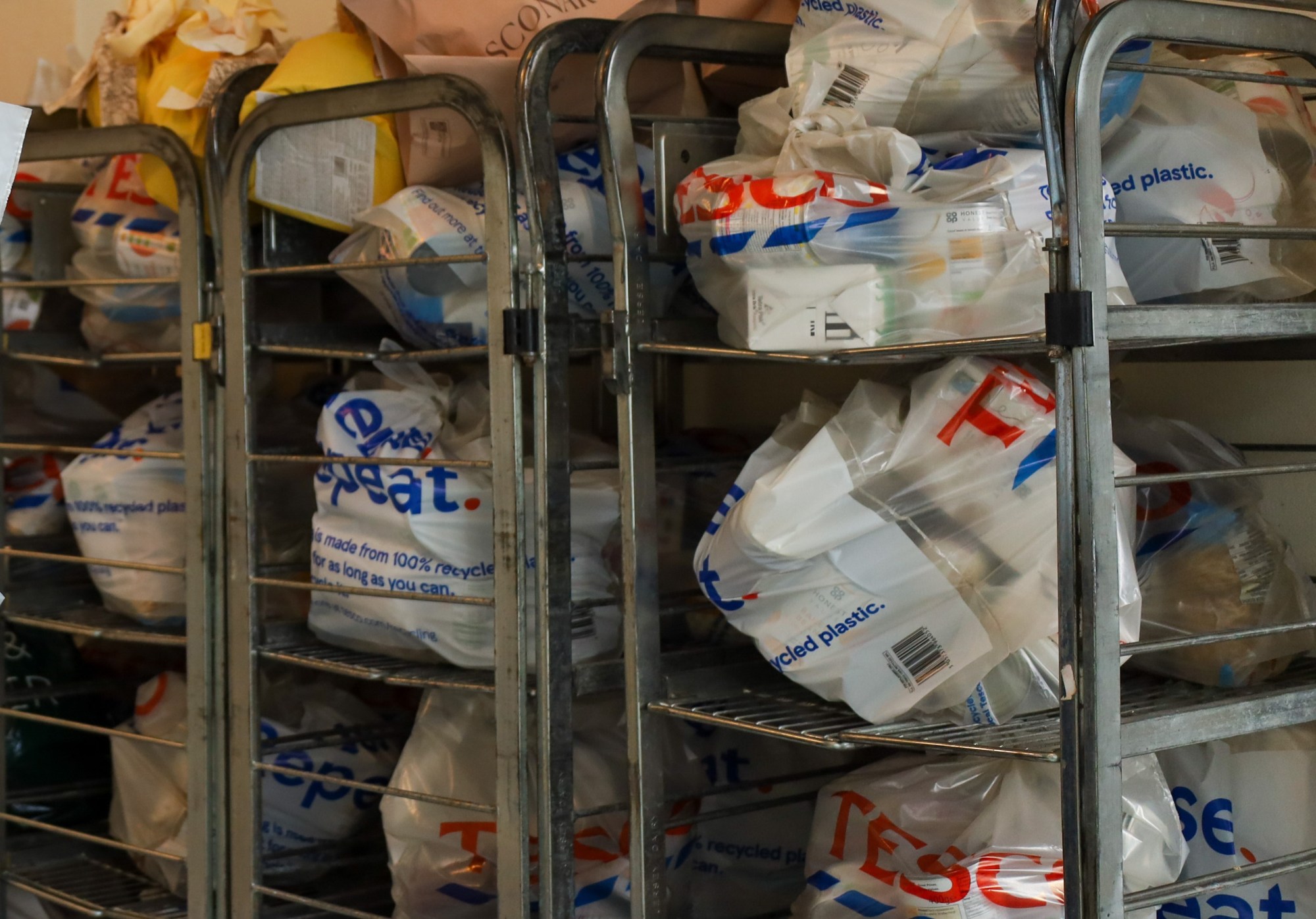

The Catholic social action charity promoting the ‘Jersey Living Wage’ has announced the rate will rise to £15.10 at the start of next year as those behind the campaign hope to support the “many people in poverty” and reverse the “continued rise in foodbank usage” in the island.
Currently set at at £14.13 per hour, it is separate from the minimum wage, which rose to £13 per hour earlier this year and is due to rise to £13.59 an hour on 1 April 2026.
Patrick Lynch, chief executive of Caritas Jersey – which is licensed by the Living Wage Foundation in the UK to accredit employers in the island – said the new Jersey Living Wage rate was approved this week and will come into effect at the beginning of January.
He added: “This will be good news for many at accredited organisations and their subcontractors, ahead of the new year, when many people will have increased rental costs and also face increases in the cost of some utilities and other day to day expenses.”
The Jersey Living Wage has never been as important as it is now for so many people with poverty unfortunately still increasing and a continued rise in foodbank usage in our island
Caritas Jersey ceo Patrick Lynch
Mr Lynch continued: “The Jersey Living Wage, which is 2% more than London, is the minimum that islanders need in order to thrive, and not just survive here in Jersey.
“It contrasts markedly with the newly announced minimum wage for April 2026.”
He stressed that the difference between the two rates remained “worryingly high” and contended that: “The Jersey Living Wage has never been as important as it is now for so many people with poverty unfortunately still increasing and a continued rise in foodbank usage in our island.”
He cited figures from one local foodbank that, in February 2022, was seeing 195 families – a figure that has now risen to over 640 families (equating to over 1,700 individuals).
“The majority of the people who form this increase are people in work, on minimum or low wages,” Mr Lynch added.
“We encourage more employers to sign up to the Jersey Living Wage in 2026 so that this surge in foodbank usage can be stalled and hopefully reversed.”
