

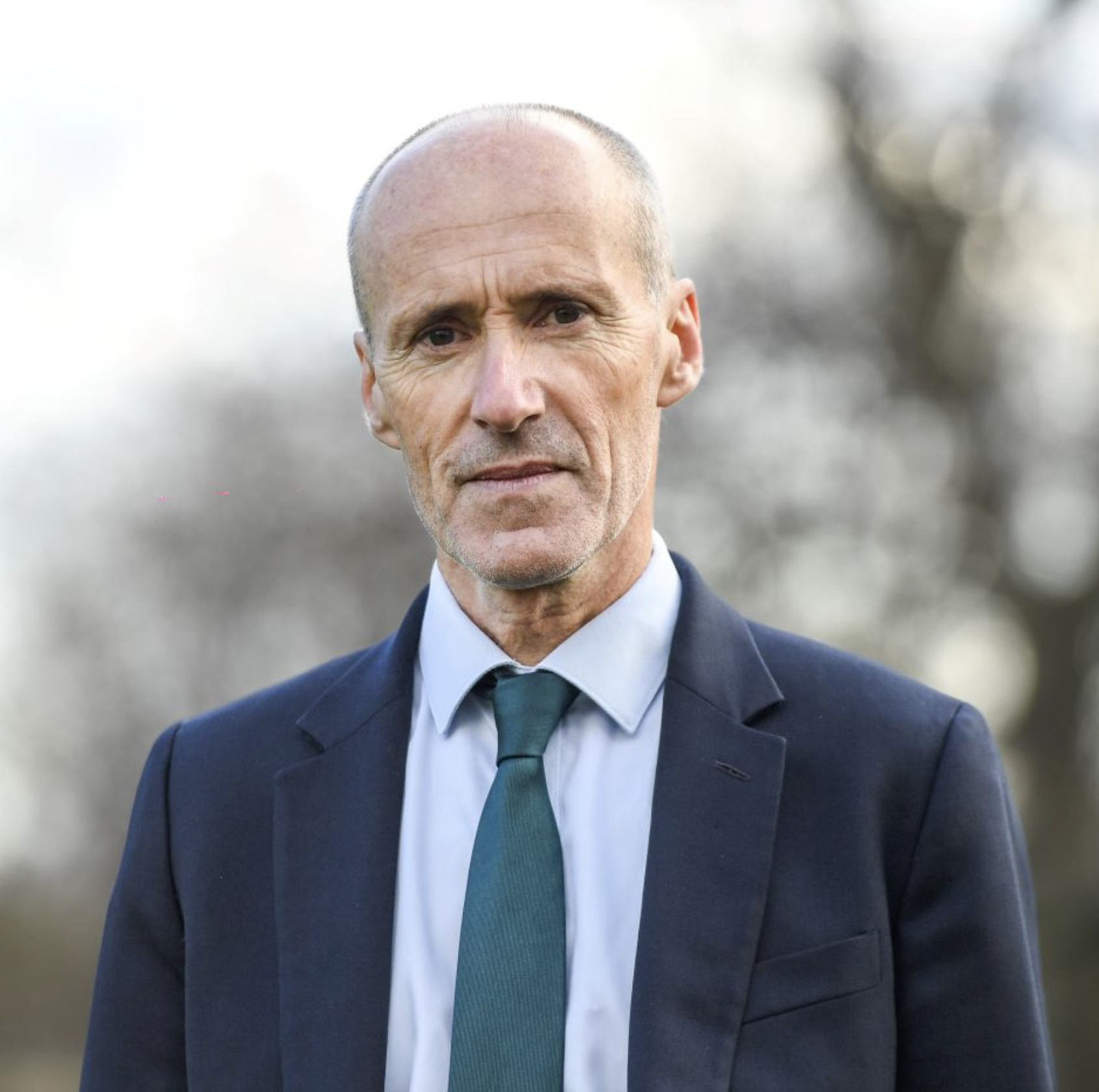
Islanders “need to accept” that the construction of a new acute hospital “is going to be disruptive”, the Infrastructure Minister has warned, as he dismisses the need for a strategic review into traffic and road-safety impact assessments.
Speaking to the States Assembly on Tuesday, Deputy Jonathan Renouf said there was “absolutely no question” that efforts to build the hospital will be “difficult for people”, but held firm to his department’s “dynamic” approach to managing issues faced by residents.
Deputy Karen Wilson, a former Health Minister, had asked Deputy Renouf whether a “strategic review around construction and infrastructure” would help manage complications emerging from both building the hospital and upgrading the Northern Sewer Network.
“Building the biggest construction project in the Island’s history is going to involve disruption”
Deputy Jonathan Renouf
“It seems that we’ve got quite a lot of people trying to replace a lightbulb,” she argued. “I just wonder whether or not to coordinate and make sure there is a better oversight and coordination of the works.
“Is there room for some discussion, or even exploration, as to whether there is a different way to actually undertake this work?”
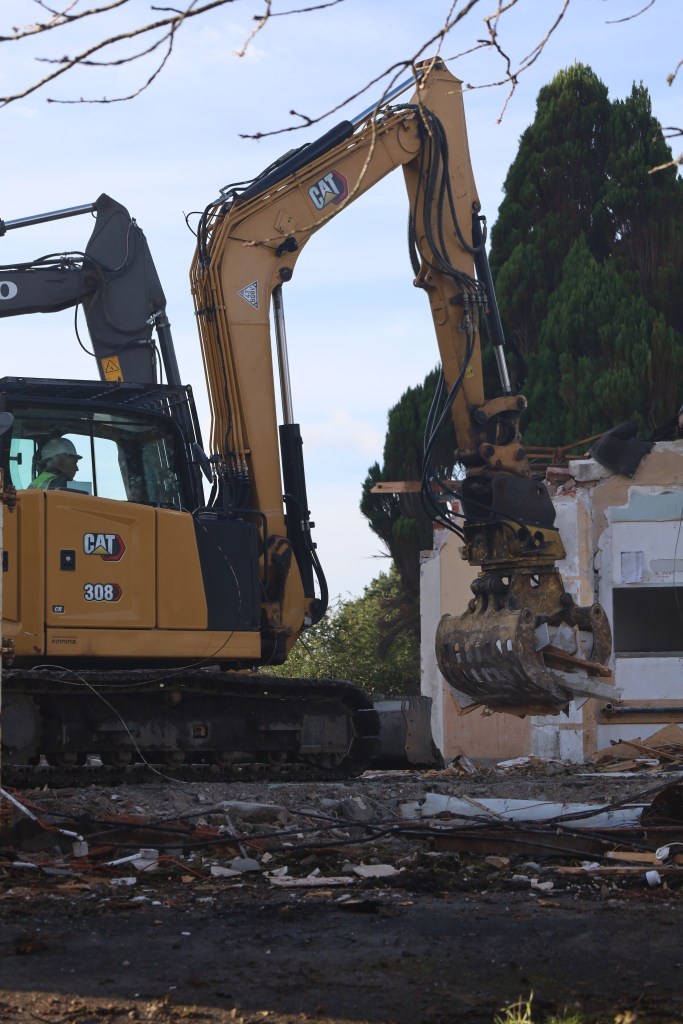
Deputy Renouf responded by saying that his States colleague had raised an “important point” about the unprecedented scale of the construction work due to be completed.
“There is going to be a lot of work going on, and I think we need to accept that it is going to be disruptive”, he responded.
“There is absolutely no question about it – building the biggest construction project in the Island’s history is going to involve disruption, it is going to be difficult for people and I fully understand and accept that.”
“I would rather have a dynamic response”
But he expressed caution about the idea of relying on a “strategic review” to deal with complications that might crop up as a result of the construction work.
“I think the processes we have in place to manage the conflicts that will arise are good,” he reflected. “I would rather have a dynamic response, rather than one that sits at an overarching strategic level that would quickly, potentially, become out of date.”
The Infrastructure Minister suggested that he might consider meeting “regularly” on a monthly basis with residents of “affected areas”.
“The key thing is that most of these things get resolved when we keep talking”, he concluded.
