
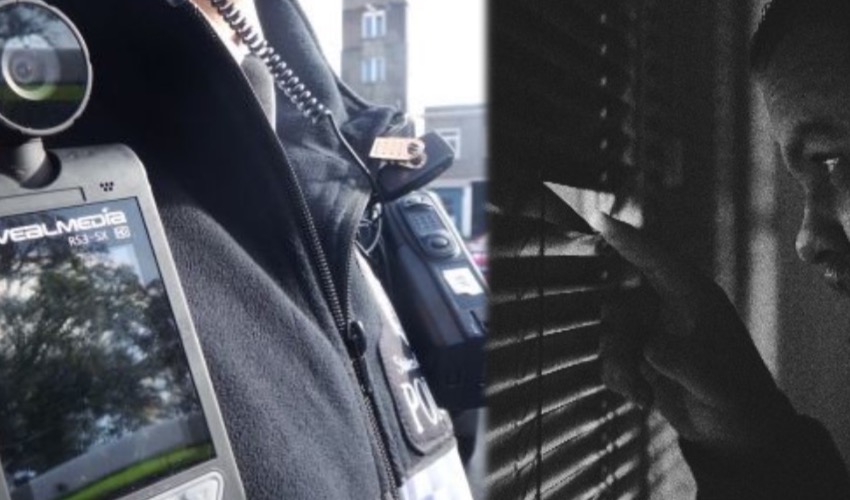

From phone tapping and listening devices to undercover officers, Jersey’s most secretive crime-fighting tactics have been given a clean bill of health by an independent watchdog.
The annual report by Investigatory Powers Commissioner Rt Hon James Wolffe KC concluded that the Island’s most intrusive investigative powers were being used “lawfully and proportionately” and these covert surveillance powers helped Jersey law enforcement seize drugs worth more than £3.5 million last year.
Investigatory techniques include phone tapping, postal mail interception, call data, street surveillance, listening devices, and undercover officers.
Arrests, charges and convictions
The report found that interception, surveillance and property interference powers were used in support of 33 operations during 2025, leading to a number of arrests, charges and convictions, as well as the seizure of drugs and cash.
The commissioner said the powers “continue to make a significant contribution to the prevention and detection of crime in Jersey” and concluded that Islanders “have good reason to be confident that the use of these powers serves the public interest”.
The report, which covers the operation of laws governing covert surveillance, communications interception and other investigatory techniques, found that applications and authorisations were generally completed to a good standard, with the requirements of necessity and proportionality considered carefully.
Authorisations
During 2025, 30 interception warrants were granted, all relating to the prevention and detection of serious crime. Inspectors found satisfactory compliance with the legislation and effective arrangements for safeguarding and destroying intercepted material.
A further 139 authorisations were granted to obtain communications data, mainly in investigations into crime, including drug offences and indecent images of children. Some were also used in cases involving missing people to help prevent or reduce the risk of death or injury.
The report also recorded seven intrusive surveillance authorisations, 14 property interference authorisations and 32 directed surveillance authorisations – most of them linked to investigations into serious crime, particularly drug trafficking.
While inspectors said progress had been made in improving the management of covert human intelligence sources, they concluded that “further improvement is required” and made recommendations to the States police and Jersey Customs and Immigration Service.
“A significant contribution to the prevention and detection of crime”
Three reportable errors relating to the use of the powers came to light during the year, including one identified during the inspection itself. However, the commissioner said these did not affect his overall conclusions.
Summing up the report, Mr Wolffe wrote: “I am able to confirm that the use of these powers continues to make a significant contribution to the prevention and detection of
crime in Jersey, and that the people of Jersey have good reason to be confident
that the use of these powers serves the public interest.”
