

All six cases are asymptomatic.
According to the first statistical release since borders opened on Friday:
- three of the infected individuals were detected during proactive screening of the public sector workforce,
- two were new arrivals into the island,
- and one received a test as they were admitted to a hospital/care home environment.
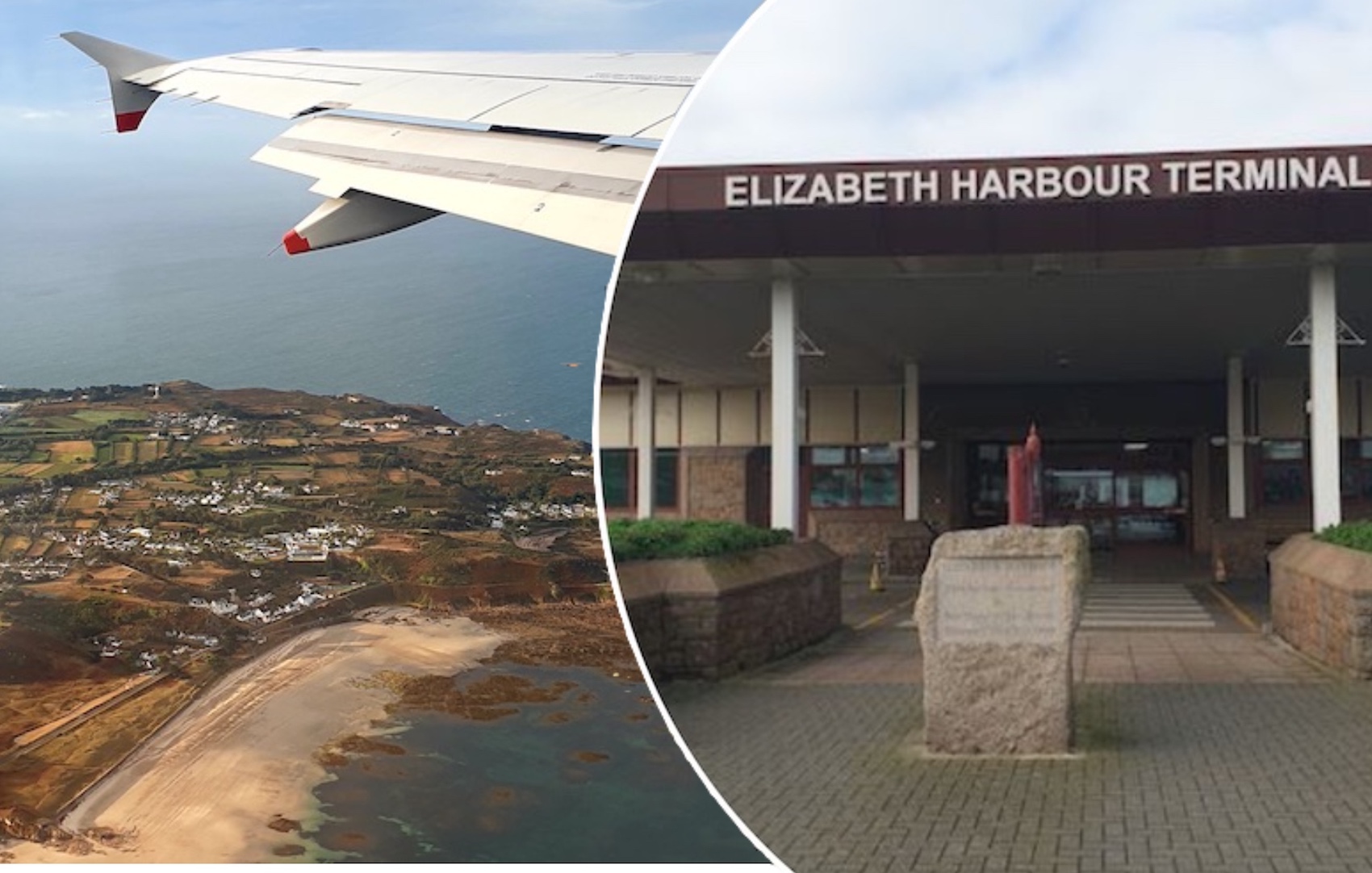
Government officials released a statement last night explaining that one individual had returned a positive test result after flying to Jersey from Gatwick on Friday.
17028 confirmed negative (+1257)
325 confirmed positive (+5)
574 pending
Active cases:
6 Total (+5)
0 in hospital
6 in community
0 in care home
Cases identified:
0 symptomatic
6 asymptomatic
0 seeking healthcare
1 admission screening
3 workforce screening
2 arrivals screening pic.twitter.com/JVB4a7Rgk1— Government of Jersey (@GovJersey) July 6, 2020
Following the latest figures this afternoon, the government revealed that the second traveller with the illness had travelled from Poole.
In a statement, they said: “A passenger arriving from Poole on Saturday has tested positive for covid-19.
“The passenger was asymptomatic, and is isolating at a private residence.
“There were 174 other passengers on the ferry who followed distancing and face mask guidelines throughout the journey.
“Contact tracing has taken place and, as a result, one person has gone into self-isolation.”
Borders opened to unrestricted on Friday 3 July after States Members voted in favour earlier this week.
Since then, more than 600 travellers have arrived in Jersey. The government has pledged to provide statistics on the number of arriving passengers and the time taken to process their tests.
Under the new ‘Safer Travel’ regime, anyone who arrives in Jersey by sea or air is expected to take a swab test for covid-19 on arrival – a process that can take up to three hours – and keep in regular contact with the contact tracing team.
If they choose not to do so, they must instead self-isolate for 14 days.
