

The Chief Minister confirmed the end to the saga, which saw some workers handed erroneous increases of up to £11,500, in response to a written question from Deputy Mike Higgins yesterday.
Speaking in his capacity as Chair of the States Employment Board (SEB), Senator John Le Fondré, said that all wrongly graded employees had now been re-evaluated.
Senator Le Fondré said the full scope of the project had now been fulfilled with Civil Service Staff Side having “positively supported” the process.
He explained that the process of correcting the error cost £892,200, which includes the cost of job evaluations and the cost of pay protection for those downgraded as a result of it – nearly £150,000 more than the cost of the original botched review.
126 professionals were affected in total, including, amongst others, some physiotherapists, occupational health staff and social workers.
Not announced publicly, the 2017 pay rises, which were described by some as a “secret deal”, caused widespread unrest across the public sector, setting colleagues against each other and proving “disastrous for industrial relations and staff engagement.”
An independent report into the key decisions behind the blunder was published in December 2018, revealing that the managers that approved the £746,000 wage review acted with “poor judgment.”

Pictured: Nearly £900,000 has been spent clearing up the pay mess.
It described the pay increases as “not appropriate” and said that some job descriptions had been “inflated.”
The report also suggested that the Health Corporate Directors Team insisted on the 36 roles being re-evaluated ahead of the implementation of the controversial ‘Workforce Modernisation’ project despite being advised to wait until after the project had been completed.
This was said to be due to “considerable concerns” amongst the directors regarding the “costs and impacts” of Workforce Modernisation for the department.
In the wake of these findings, the Government announced it would reverse the pay from April 2019, noting that the senior staff responsible for the costly blunder were no longer employed by them.
However, this change was delayed due to a dispute resolution process, as 90 of the aggrieved staff members mounted a formal collective complaint.

Pictured: 90 staff mounted a formal collective complaint.
The appeal was ultimately rejected in May, but the Government said it would evaluate the group’s pay as a priority.
But, by December, the 126 workers were still waiting to find out their ‘true’ salaries. The Government told Express that it had set a new deadline to reverse the mistake of Easter 2020 – a year on from when the government originally said this mistake would be rectified and almost two-and-a-half years from when the initial review erroneously uplifted the health workers’ salaries.
A government spokesperson said at the time that the evaluations were being carried out “in-house” and “in phases so we can be transparent about what we are doing and so the [Allied Health Professionals] have an opportunity to have a say.”
Yesterday, nearly three years later, the Chief Minister confirmed in his comments to Deputy Higgins that the process was finally complete.
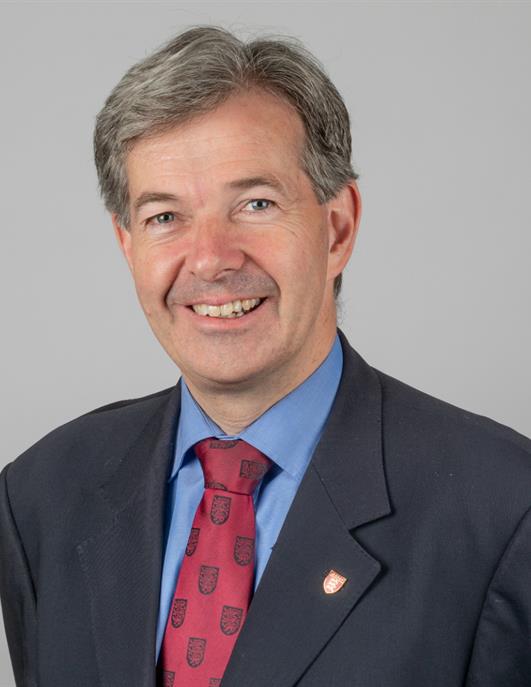
Pictured: The Chief Minister said all affected employees had now been evaluated.
He commented: “All the involved roles have now been evaluated and the full scope of the project has been fulfilled. The project has received positive feedback from senior members of HCS, Probation and CYPES in terms of how this work has been managed, the outcomes that have been communicated to individuals and their managers, and the mainly positive impact on their teams. Civil Service Staff Side were kept fully appraised throughout the project, enabling them to advise and support their members of each stage of the process. They have positively supported the process including the appeal process.
“The overall cost of the project, including the cost of job evaluations and the cost of pay protection for those downgraded as a result of it, amounts to £892,200.”
