

Few issues have generated as much correspondence from readers during the election campaign as the question of pension taxation.
While there is an allowance, supporters of change argue that those whose pension is over this limit are still effectively being taxed twice: once when they earn their money and again when they receive their pension.
Others say removing tax altogether would be expensive, benefit some wealthy retirees, and create questions about fairness between generations.
ELECTION DISASSEMBLED: COST-OF-LIVING
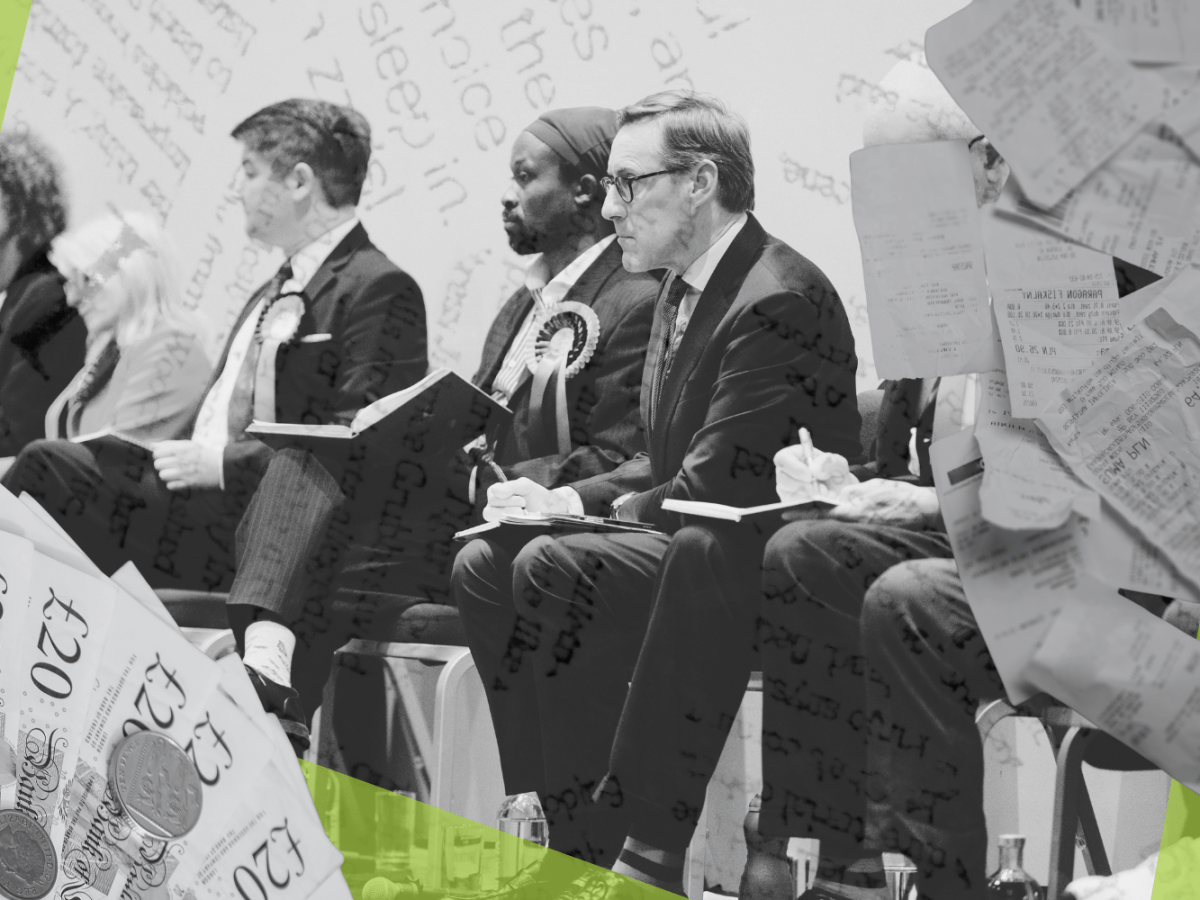
As part of Bailiwick Podcasts’ Election Disassembled series, we asked election candidates a simple question: “Would you remove tax from old-age pensions?”
The answers revealed plenty of common ground – but also some important differences. Here’s what the Senatorial candidates had to say…
Scrap it
Former Senator Guy de Faye was among the strongest supporters of change.
He argued that Islanders who had paid into the Social Security system throughout their working lives should not face what he regards as double taxation when receiving their state pension.
However, he drew a distinction between the state pension and larger private pensions.
“I’ve already said that if you paid into Social Security to get your Jersey States pension, don’t double tax that,” he said.
But he added that wealthier pensioners with substantial private pensions should still be expected to contribute.
“If someone’s got a really fantastic pension, they’ve got to chip in a bit.”
Review it
Several candidates said the issue deserved a thorough review, but stopped short of committing to abolishing pension taxation altogether.
Chief Minister Lyndon Farnham said the current system had not been examined closely for some time and supported a comprehensive review.
He warned, however, that removing tax entirely would be expensive and could create questions about fairness between generations.
“It would mean now the young people that are working and paying into the fund now will be paying for that,” he said.
Environment Minister Steve Luce also backed a review, saying he had spoken to many pensioners who felt strongly about the issue.
“The whole pension thing needs to be looked at,” he said.
Home Affairs Minister Mary Le Hegarat likewise urged caution, noting that some pensioners receive multiple pensions and could receive a significant tax reduction under blanket changes.
“I think we need to be very careful,” she said.
An alternative approach
Reform Jersey leader Sam Mézec argued that simply removing pension taxation would be an expensive way of helping older Islanders.
“If we did that, it would cost £20 million a year,” he said.
Instead, Reform is proposing the return of an enhanced pensioners’ tax allowance, which Mr Mézec said would target support at those who need it most while avoiding a windfall for wealthier retirees.
Former Treasury Minister Alan Maclean struck a similar note.
Rather than abolishing pension taxation entirely, he suggested creating a specific exemption threshold for pensioners to allow them to keep more of their income.
Keep the system, but target support
Several candidates argued that the focus should be on helping pensioners who genuinely need support, rather than removing tax across the board.
Karl Busch said public finances remain under significant pressure and warned that any lost revenue would have to be replaced elsewhere.

His preferred solution would be means-tested support.
“If we can means test those that specifically need the income more, then that is so much better,” he said.
Independent candidate Alan Le Pavoux expressed a similar view.
He argued that some pensioners struggle financially, while others have generous retirement incomes and can continue contributing through taxation.
Treasury Minister Elaine Millar also emphasised targeted support throughout her interview, repeatedly arguing that assistance should be focused on those most in need rather than applied universally.
A firm no
External Relations Minister Ian Gorst was among the clearest opponents of removing tax from pensions.
Instead, he argued that Jersey should continue increasing tax thresholds for all Islanders, rather than creating special arrangements for one age group.
“Everybody’s suffering from the cost of living,” he said.
“Younger people who are having to do two or three jobs… they are also suffering.”
Mr Gorst added that he did not accept the argument that pension taxation necessarily amounted to double taxation.
Sir Mark Boleat also stopped short of supporting the outright removal of pension taxation.
He argued that the issue should be considered as part of a wider review of the tax system, noting that many lower-income pensioners already pay little or no tax because of existing allowances.
“The poorest pensioners don’t pay any tax anyway,” he said.
Independent candidate Bernard Place also opposed outright abolition, arguing that pension taxation should be considered as part of a wider review of how the tax system treats older Islanders.
He said any changes should be balanced against “intergenerational fairness”.
Deputy Helen Miles also argued that the issue is “actually more complex than first thought”.
While she did not support removing pension taxation altogether, she said more should be done to support older Islanders facing rising costs.
Not a simple yes-or-no issue
Very few candidates gave an unequivocal answer.
Even those sympathetic to pensioners’ concerns often worried about the cost to public finances or the possibility of providing tax breaks to retirees who do not need them.
Independent candidate Martin Aliga described the situation as “contentious” and said it merited more detailed discussion.
Senatorial candidates Tom Binet, Serena Kersten Guthrie and Alan Breckon did not take up the offer of a podcast interview.
LISTEN…
Want to know what Deputy and Constable candidates said about taxation of pensions? Listen to our Election Disassembled: Meet the candidates playlist below…
