

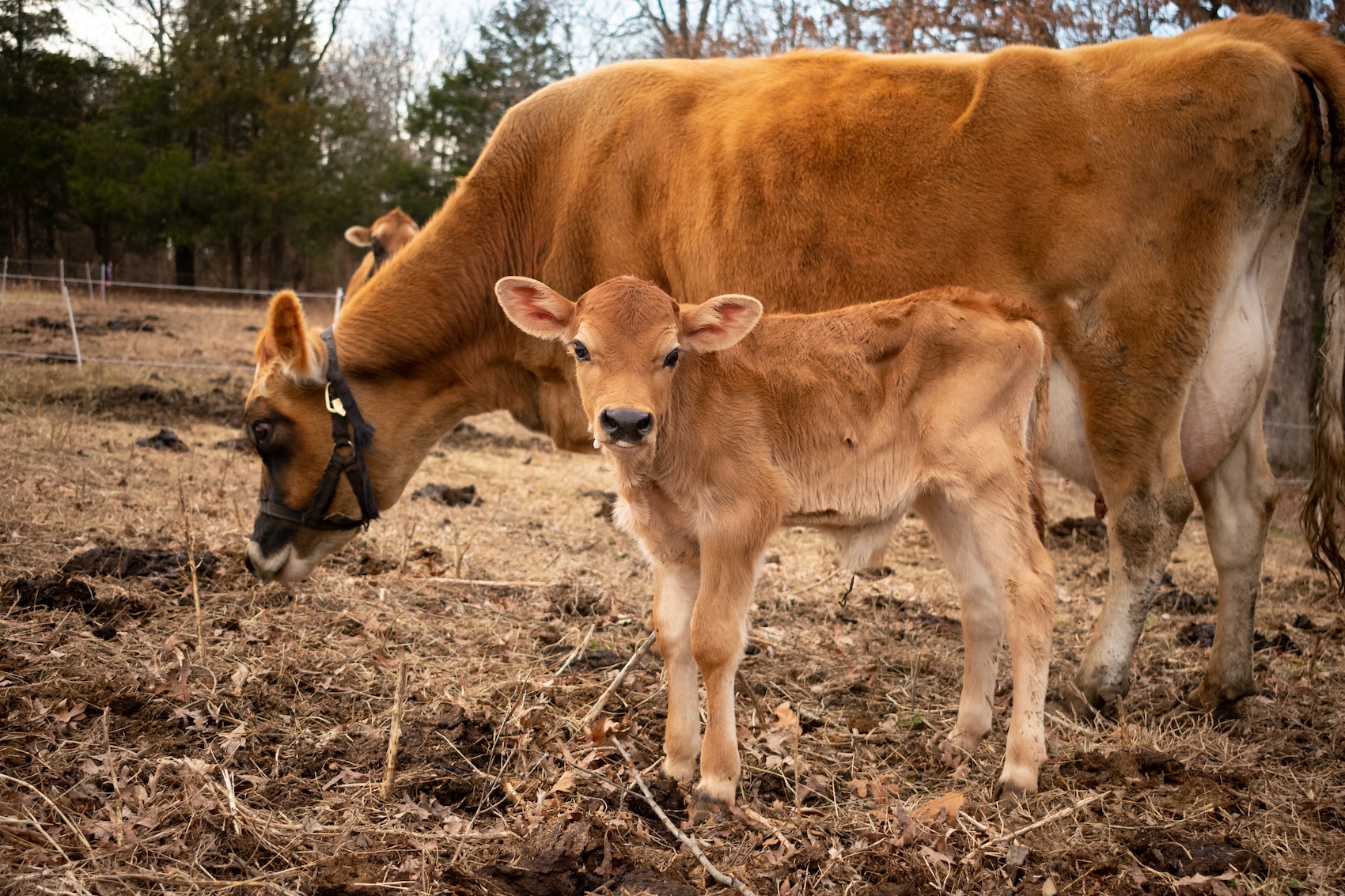
Uncontrolled dogs in Jersey’s countryside are putting serious financial strain on farmers – with Jersey Dairy losing over £20,000 a year from cows losing unborn calves due to infections from dog mess.
Dog waste carries deadly parasites which pose serious risks to both humans and animals.
Even once the waste is gone, some parasite eggs can remain in soil for many years.
These range from hookworms, ringworm, tapeworms, roundworm and salmonella to neospora.
The latter is a leading cause of abortion in dairy cattle and costs Jersey Dairy more than £20,000 a year.
But waste isn’t the only concern of local farmers.
Jersey Dairy’s managing director, Eamon Fenlon, warned that even a single incident involving an excitable dog disturbing cows, sheep or horses can have “devastating consequences”.
Dog interference can result in sometimes fatal injuries, while livestock under stress may suffer miscarriages, undoing years of careful breeding and inflicting long-term setbacks on the farming community.
The issue has prompted Jersey National Park to launch a new ‘Pawsitive Impact’ campaign, urging dog owners to take simple but critical actions when walking their pets, including keeping dogs on a lead “where it matters” and cleaning up after them.
The initiative, which began last week and runs over an eight-week period, centres on four main themes: protecting birds, respecting farmland, safeguarding other animals, and preserving natural sites.
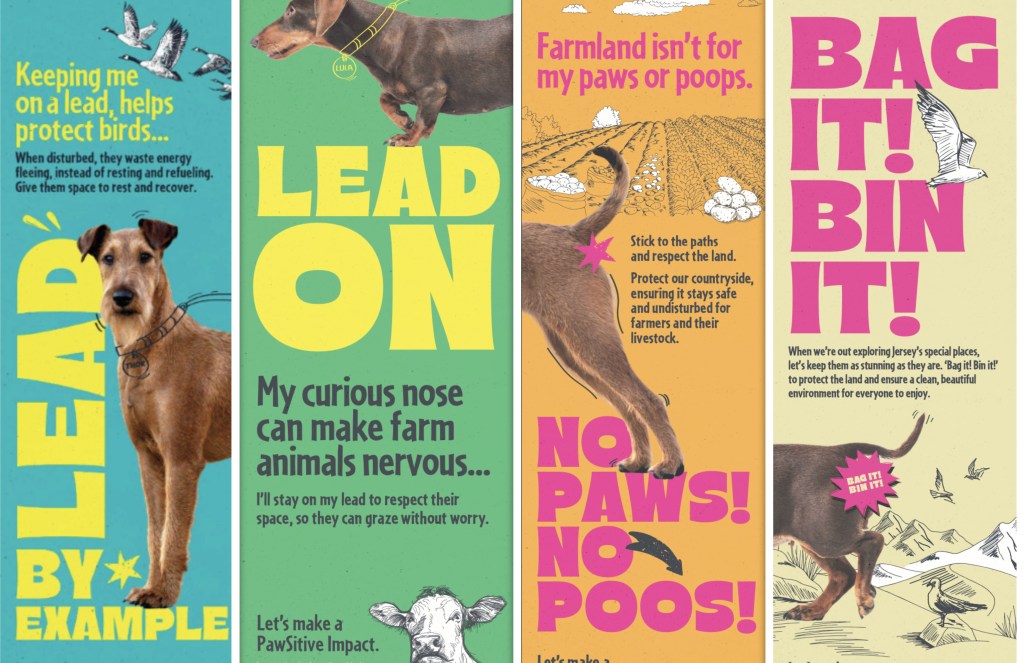
The campaign was created in partnership with the Jersey Access Service Providers group, which includes the Government, the National Trust for Jersey, Jersey Heritage and the Jersey Farmers Union.
It follows the launch of the Wild Poo Project last summer to educate islanders about the amount of dog mess being left around Jersey.
Causing disturbance to livestock is a legal offence and those responsible may face legal action. Islanders can also be fined up to £1,000 for not picking up after their dog on public land – though a recent request under the Freedom of Information law showed that only one such penalty had been issued over the past five years.
Jersey National Park chairman Jim Hopley said the Pawsitive Impact campaign was about “finding balance”.
He said: “Jersey’s landscapes, from coastline to countryside, are something to be cherished, but they are also places that dogs and their owners enjoy exploring.
“Pawsitive Impact is about finding balance, encouraging small, responsible actions that protect our countryside while ensuring dogs remain welcome in these spaces.”

He added: “By keeping dogs on a lead where it matters, respecting farmland and cleaning up after them, we can ensure these spaces remain protected, accessible and enjoyable for all.”
Mr Fenlon said the campaign should “support our farming community and protect the Island’s food system”.
Gail Bennie, project lead for the Wild Poo Project, added: “By raising awareness, we hope to encourage positive behaviours and create a cleaner, safer environment for all: humans, dogs and wildlife.
“This initiative is an important step in encouraging people to treat the places we love to explore with more respect.”
More information about the campaign can be found on the Jersey National Park’s website here.
