


Leading figures from Jersey’s medicinal cannabis sector have hit back at recent claims linking medicinal cannabis to rising psychiatric admissions and and a “black market in prescription drugs”.
The comments follow a scrutiny hearing in which Mental Health Director Andy Weir warned that “quite a lot” of medicinal cannabis was being illicitly sold on the island, with a “significant increase” in psychiatric admissions linked to patients prescribed high volumes of the drug.

Health Minister Tom Binet echoed his concerns, suggesting that Jersey was “swift to legalise medical cannabis without making sure that we’ve done all the homework to regulate it properly”.
Plans to prohibit the the advertising of prescribed medicines – including medicinal cannabis – were also announced at the hearing.
But medical professionals on the frontlines of cannabis prescribing have pushed back against the narrative of unsafe practices and widespread abuse.
“Cannabis has given people their lives back”
Dr Kirstie Ross, Medical Director of Carpathia Clinic and a practicing Emergency Department doctor, challenged the depiction of cannabis users as irresponsible or at risk.
She said that many of her patients are “mums, dads, financial directors, politicians, carers, customs officers, IT leads, bakers, sales assistants and even doctors”.

“I came to cannabis prescribing with a healthy level of scepticism,” she said.
“But I can honestly say I’ve been blown away by the difference it has made to people’s lives.”
Describing the treatment of insomnia, anxiety, depression, chronic pain, and menopause-related symptoms, Dr Ross said patients who were “at their wits end” have now found renewed energy and purpose.
“I know they would testify that life is so much better now they are being treated,” she said.
“Cannabis has given so many people their lives back.”
Calls to regulate cannabis sector “cowboys”
Dr Ross did, however, acknowledge the existence of “cowboys” in the sector who “view the patients as customers and don’t have their best medical interests at heart”.

“The prescribing culture of these clinics sees high dose THC being prescribed to people in amounts that can only be for the purposes of supplementing illegal dealing,” she said.
“It is the very thing everyone is fearful of, and we are doing nothing but paying lip service to regulating them.”
She asked: “Why are we allowing doctors who don’t practice or live in Jersey, prescribe a controlled substance in an unregulated industry?
“Why are we still allowing UK clinics to prescribe from across the water and import cannabis to Jersey? Where are the health and safety recommendations for businesses?
“Why is there no cap on amounts that can be prescribed? Why are we supplying medication at strengths that are only suitable for recreational use?”
Dr Ross also called for a Jersey-specific regulatory framework based on UK standards from NICE and the General Medical Council to be introduced in the island.
“Being able to educate patients is crucial”
Medicann CEO Gary Whipp also stressed the positive impact medicinal cannabis has had for many patients, stating it helps islanders “live a better quality of life.”
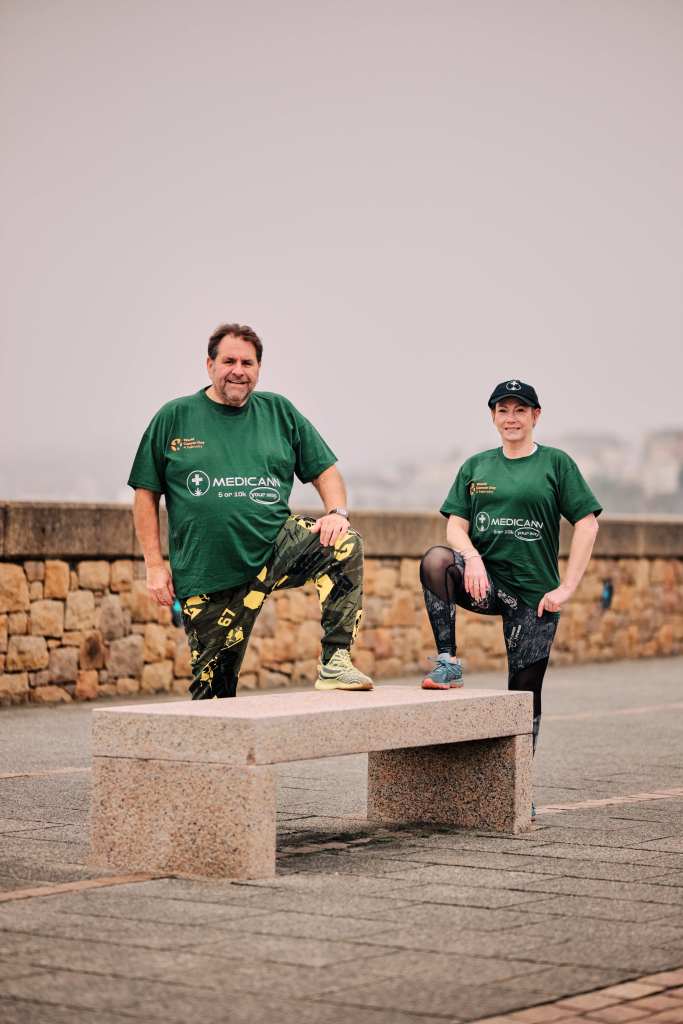
He acknowledged the need for responsible advertising, but questioned whether a full ban was necessary.
“For Medicann, being able to educate patients on this is crucial for us,” he explained.
“Whilst we already comply with advertising guidelines set out in the UK, for Jersey, we really feel it is important for all clinics to be sensible when it comes to advertising around medicinal cannabis and fully comply with any and all guidelines.
“Providing clinics stay in line with the UK guidelines, and offer reliable and science-backed information, a ban should not be needed in Jersey.”
Mr Whipp pointed to instances of misleading promotions as examples of poor advertising conduct – but said this should be tackled with better enforcement, not blanket bans.
“We have the opportunity to set the standard”
Both clinic leaders emphasised the need for proper regulation and collaboration.
Dr Ross called on the Government to sit down with “key players” to create a safe and effective framework.
“Come on Jersey, we can do better than this,” she urged.
“We have the opportunity to set the standard and harness the benefits of one of the oldest medications on record.”
