


Jersey’s divorce laws are set for their most dramatic overhaul in more than 75 years after States Members unanimously backed plans to introduce no-fault divorce – sweeping away the need for couples to assign blame when their marriage breaks down.
The Assembly approved the Draft Marriage and Civil Partnership (Dissolution and Separation) (Jersey) Law yesterday, paving the way for a simpler, less adversarial system that supporters say will reduce conflict and better protect vulnerable islanders.
The new law will repeal the Matrimonial Causes (Jersey) Law 1949 and consolidate the legal processes for ending both marriages and civil partnerships into a single framework.
Crucially, it removes the long-standing requirement to prove “fault” – such as adultery, unreasonable behaviour or desertion – and abolishes the three-year bar that currently prevents couples from applying for divorce within the first three years of marriage.
Instead, either spouse – or both jointly – will be able to apply for a dissolution simply by submitting a signed statement confirming that the relationship has irretrievably broken down. The ability to contest a divorce will also be removed.

The law retains a two-stage process, requiring a minimum six-month period between a conditional order and a final order, allowing time to resolve financial and child arrangements.
It also introduces new powers for the Royal Court, including the ability to order interim occupation of the family home and, in certain circumstances, to shorten timeframes where risk is escalating.
Advocate Barbara Corbett, of Corbett Le Quesne, was behind a 2014 Jersey Law Commission paper that became the foundation of the current proposals.
She welcomed yesterday’s decision, after more than a decade of campaigning for change.
“We are very pleased to see that the States have voted to introduce no-fault divorce. This is something that we have been pushing for, for many years.”
A simpler, quicker and less emotional process
Advocate Corbett described the reform as “probably the most significant change in the law relating to divorce” in over 75 years.
While the family lawyer acknowleged that there could be an initial rise in dissolution applications – as happened in England and Wales when the law was changed there – she noted: “That said, we have waited so long, people may well have given up waiting for the law to change and gone ahead under the current system.”
She added: “It is probably unlikely to make a huge difference to the numbers of people wanting to end their marriages, but what it will do is make the process simpler, quicker and less likely to inflame emotions.
“These are all things which will help to improve the lives of people in Jersey facing marriage breakdown.”
The introduction of no-fault divorce was one of the recommendations made in 2023 by the Violence Against Women and Girls Taskforce, which argued that fault-based systems can exacerbate risk and trauma for survivors of abuse.
“Welcome step forward” for domestic abuse survivors
Kate Wright, who chaired the taskforce and is chief executive of domestic abuse charity Freeda, described the move as “a significant and welcome step forward, particularly for survivors of domestic abuse”.
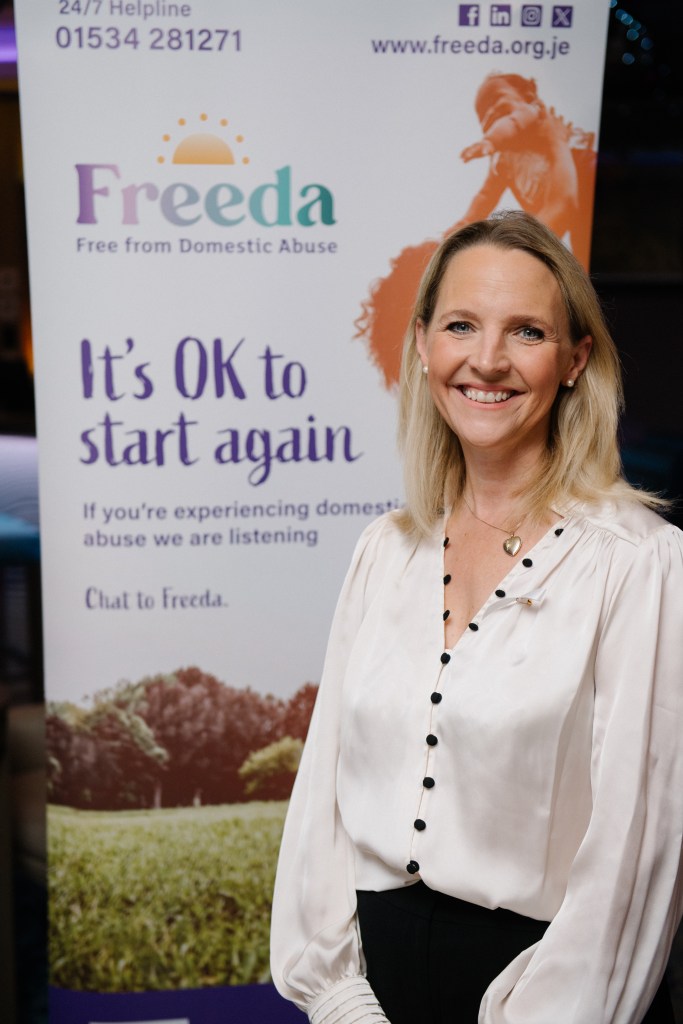
“For many survivors, the requirement to evidence ‘fault’ has historically prolonged conflict, increased risk, and allowed abusive partners to maintain control through the legal process,” she explained.
“Removing that requirement helps shift the focus away from blame and towards safety, dignity, and resolution.”
She added that survivors would “no longer need to publicly relive deeply personal experiences simply to progress proceedings,” reducing the trauma often associated with contested divorces.
“While divorce itself is never easy, a more streamlined and less adversarial process should help minimise opportunities for coercion or delay,” she added.
Mrs Wright also welcomed the strengthened court powers, saying judicial discretion to shorten timelines and grant interim occupancy orders “can make a real difference where risk is escalating”.
However, she cautioned that “further reform is still needed”.
“Survivors continue to face barriers around access to legal advice, housing security, financial independence, and trauma-informed court processes,” said Mrs Wright.
“Legislative change must be matched by sustained investment in support services and a wider cultural shift that recognises the dynamics of domestic abuse.”
