

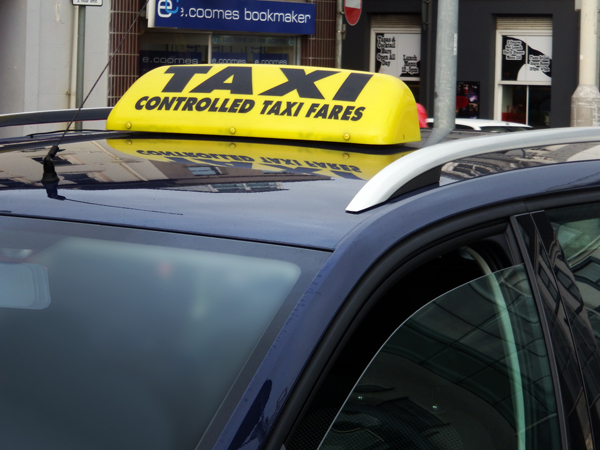
A Freedom of Information request has revealed that out of a total of 363 taxi drivers, 132 – that’s more than one in three – is over 65-years-old.
The figures also show two thirds of drivers – two out of every three – are over 50-years-old.
Just 51 drivers – that’s about one out of every seven – is under 45-years-old.
Critics of the current system claim there are too many older drivers and as a result the public isn’t getting the service it deserves.
Driver and Vehicle Standards strictly limits the number of licences – in effect the number of drivers. No new licences are issued unless a driver ‘retires.’
Critics claim drivers are reluctant to retire, and that many older drivers work reduced hours. They believe this has a two-fold effect. Because they don’t retire, no new licences are issued. And, because they work reduced hours, there’s ‘slack in the system’ – the result is the public often can’t get a cab when they want one.
This has led to suggestions more licences should be issued or that there should be a compulsory retirement age for drivers. Taxi drivers believe the current system works well. They say flooding the market with licences would make their job uneconomic with too many cabs chasing too little work. They argue in the long run this would lead to fewer cabs and a reduced public service.
An independent report produced for the States back in 2013 recommended, “…the number of taxi licences should be allowed to gradually rise over a period of several years”, and that “…taxi numbers should be allowed to expand by 10% per year in each of the first three years following new regulations being introduced, after which there should be a review of how these changes have affected the taxi market before further taxi licences are issued.”
The same report also made a number of other recommendations. These included the government setting maximum fares with fixed off and on-peak prices; regular criminal record and health tests for drivers; making it compulsory for drivers to carry a booster seat; making it compulsory for cabs and taxis to accept credit card payments; and making taxis and cabs wheelchair friendly by 2019.
Under the medical and capability tests drivers would have to show they were able and competent to assist passengers (including wheelchair users) to board and alight, and to assist with passenger’s luggage, including the ability to lift and load four bags weighting 23 kilos.
The report also showed that out of 364 areas in the UK, Jersey came out as the 22nd most expensive place to catch a cab. London, Heathrow, was the most expensive.
The proposed changes prompted drivers to go on ‘strike’ back in December last year. They drove round town in convoy to highlight their case and brought St Helier to near gridlock.
