


A UK-based campaigner has revealed the devastating reality of coercive control that kept her trapped in an abusive relationship for years, as she fronts a new campaign launched by the Government of Jersey to raise awareness of this hidden form of abuse while encouraging victims to come forward.
WARNING: This article includes detailed personal accounts of coercive control and domestic abuse. Some readers may find the content distressing.
‘Worse than physical violence’

In the early 2000s, Sam Billingham lived under strict surveillance. Her partner wasn’t hitting her – not at first – but he was monitoring her movements, cutting her off from friends, timing her bathroom visits and accusing her of cheating every time she left the house.
At the time, she did not recognise her partner’s behaviour as abuse. Now, nearly two decades later, Ms Billingham understands it was coercive control – a hidden but dangerous form of domestic abuse that she says is “worse than physical violence.”
“If you talk to any survivor of domestic abuse, they will often say, and I’ve said this myself, I would rather have had a beating every day for those three years than the coercive control, because it changes you completely,” Ms Billingham explained.
The hidden pattern behind domestic abuse
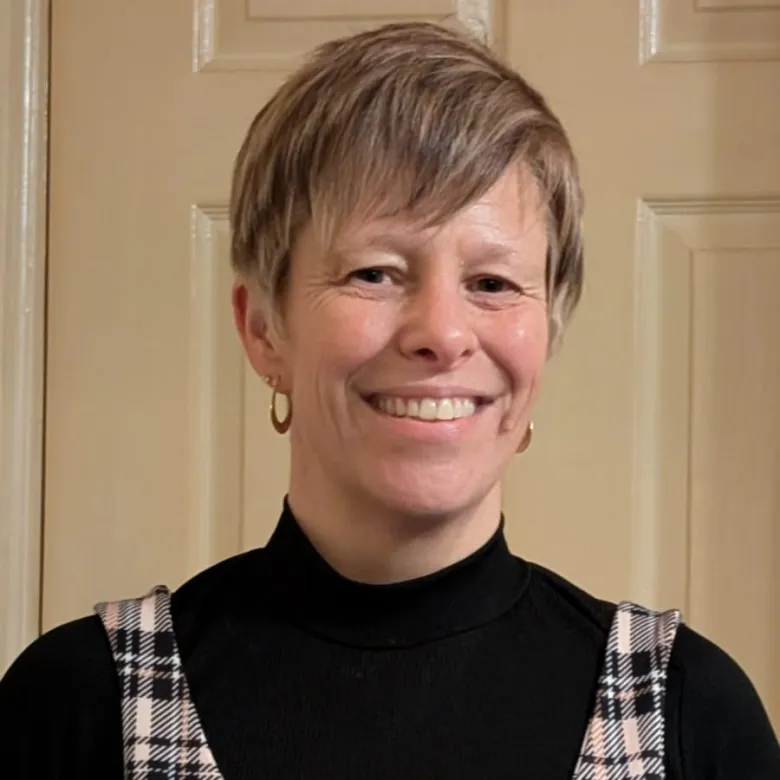
Ms Billingham, founder of the UK-based support group Survivors of Domestic Abuse, is sharing her experience as part of an awareness campaign launched on 10 March by the government.
The ongoing campaign aims to highlight the actions and behaviours used by abusers to harm, punish or frighten survivors while also encouraging victims to come forward.
The initiative is part of wider efforts to tackle male violence against women and girls and follows International Women’s Day on 8 March.
Coercive control, which was made a specific offence in 2023 under Jersey’s first domestic abuse law, is now widely recognised as the foundation of many abusive relationships.
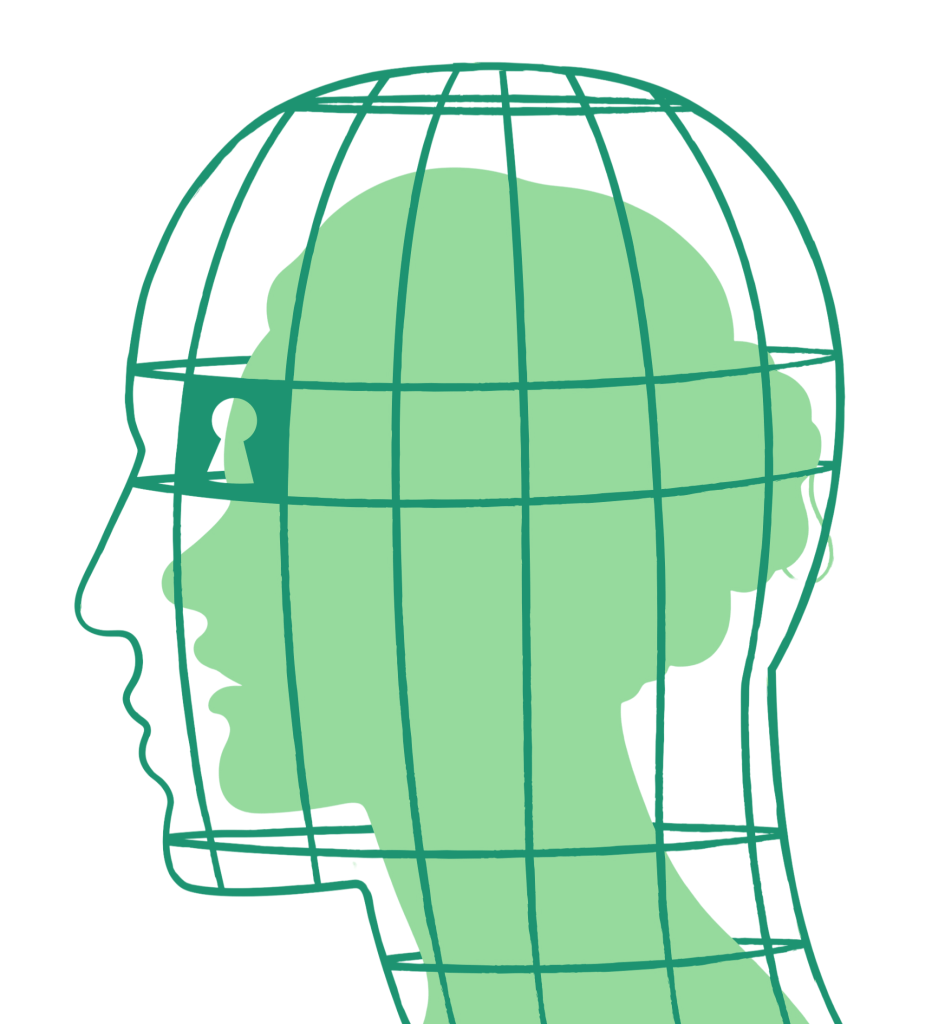
Pictured: Coercive control is a pattern of behaviour intended to dominate and isolate victims.
“I would rather have had a beating every day for those three years than the coercive control, because it changes you completely.”
Sam Billingham
It describes a pattern of psychological and emotional abuse designed to dominate and isolate victims while removing their sense of independence and autonomy.
This can include limiting a partner’s access to money, friends, transport or work, as well as dictating how they dress or behave.
In Ms Billingham’s case, it began with what seemed like a whirlwind romance.
‘Coercive control starts very, very subtly’
After meeting her abuser at a local pub, they moved in together within two weeks – something she now recognises as a “red flag”.
“Coercive control starts very, very subtly,” Ms Billingham explained. “It was something as simple as, ‘Don’t go and see your Mum tonight. If you love me, you won’t go.’”
Over time, the control escalated. Whenever she went out, he accused her of cheating, checked her underwear to see if she’d had sex, and bombarded her with phone calls and texts.
“It was just easier – and when I say easier, I mean safer – for me not to see my mum or my friends.”
Her job was also taken from her. Her partner stopped her from going to work and falsely accused her of sleeping with her boss.
After he locked her in their flat and threw her phone out of the window, Ms Billingham tried to explain the situation to her employer.
“It was really difficult because there was no physical violence at this point. It was all control, and I didn’t have a clue what coercive control was.”
Instead of getting any support, she was dismissed by her boss on the spot
“I got sacked for making a domestic abuse disclosure,” she said. “That’s when I lost Sam. I had no sense of belonging anymore, no direction. The control just increased.
“I was timed when I went to the toilet. He would stand outside the door looking at his watch, going, ‘You’ve been texting your Mum. ’ He would physically get inside the bath with me. I couldn’t have a bath alone.”
The abuse became physical. The first time he hit her, he cried and promised it would never happen again. She believed him. But the violence escalated – slaps turned into punches, her ribs were broken, and she was strangled with a kettle cord.
Despite knowing the abuse was wrong, she felt trapped. “Perpetrators isolate us and abuse us, but they are also the only stable person we have because they’ve cut us off from everyone else.”
“Perpetrators isolate us and abuse us, but they are also the only stable person we have because they’ve cut us off from everyone else.“
Sam Billingham
She tried to leave multiple times, but he always found her and manipulated her into coming back.
Then, she became pregnant. “I thought having a child together might change him,” she said. “It didn’t.”

In 2006, after he split her lip while she was holding their ten-month-old daughter in her arms, she knew she had to escape for good.
The next morning, she put her child in a pram and walked to the police station.
This time, she didn’t go back. “That was my wake-up call. I knew his behaviour wouldn’t change, “ she said.
Nearly 20 years later, the effects of coercive control still shape her daily life. “I risk-assess everyone I meet. I try to work them out before I even have a conversation with them, because that’s my safety net,” she said.
“I’ve only just, within the last two years, started looking in the mirror again. Only just started having my hair done.”
She describes coercive control as a form of programming that takes years to undo.
“Many people think domestic abuse is just the physical violence side. It isn’t. That’s why these conversations are so important.”
The campaign – and its reach
Speaking to Express ahead of the launch, Home Affairs Minister Mary Le Hegarat explained that the campaign aimed to highlight that domestic abuse was not just about physical violence but also control and its long-term impact.

She said: “When the government brought forward the Domestic Abuse Law, coercive or controlling behaviour was made an offence because it was acknowledged that this kind of behaviour can have a really damaging impact on victims and their wider families.
“This campaign seeks to highlight this and remind those who are suffering from this kind of behaviour that they can report it and that they will be supported if they do.”
A government-commissioned survey in 2023 found that 85% of victims had experienced emotional or psychological abuse as an element of the VAWG they experienced within an intimate relationship, while 57% had faced financial or economic abuse.
These findings formed part of research by an independent Taskforce that was set up in 2022 to get a better understanding of violence against women and girls in Jersey.
The group made 77 recommendations to tackle what it described as a “very real” issue, with 58 requiring government action.
One recommendation was that professionals working with survivors should receive specific training in recognising coercive control.
A report published by the Taskforce said many women had encountered professionals who did not understand how abuse can happen without physical violence, and only acted once it escalated.
The report read: “Victim-survivors who engaged with the research team described encounters with professionals who they felt were uninterested in their experience of coercive and controlling behaviour.
“Women also described a feeling that some professionals were ‘waiting’ for violence to occur before they could take action.”
Responding to these concerns, Deputy Le Hegarat reassured Islanders that the police and support agencies were committed to addressing this and emphasised the importance of ongoing training.
‘Instagram posts don’t save lives’
The campaign, which the Minister stressed will be “ongoing”, will run across Government social-media channels – featuring testimonies from survivors like Ms Billingham, expert interviews with those involved in the Taskforce, and information about how to spot signs of coercive behaviour and access support.
But, some Jersey-based survivors and advocates have questioned whether this approach would be successful in reaching those who need help most, explaining that those experiencing coercive control may have their phones, social media, and internet activity closely monitored by their abuser.
Melyssa Vieira, a campaigner who launched a petition to expand the domestic abuse law, said: “You’re not going to get people to come forward because of an Instagram post. There should be pop-ups, there should be awareness in schools, there should be more education in workplaces.”

Her petition, which has gained more than 600 signatures, calls for the law to be applied retrospectively so that victims can seek justice for coercive control that took place before it came into force in 2023.
Fellow campaigner Suzannah Mahe, who has waived her anonymity and spoken publicly about her experience of abuse, also questioned the government’s approach.
She said she was not invited to take part in the awareness campaign despite working nationally with organisations including the Institute for Addressing Strangulation and Women’s Aid.
“All of my hard work is going over to the UK – but Jersey is my priority,” she said. “It’s all well and good me going over to the UK to do things. But how is this helping my daughter’s future and how is this helping her understand what coercive control is?”
‘Awareness is vital, but awareness alone isn’t enough’
Kate Wright, chair of the Violence Against Women and Girls Taskforce and head of domestic abuse charity Freeda, welcomed the government’s campaign but stressed that wider reform is still needed.
“Coercive control is the thread that runs through so many forms of abuse – and yet it’s still so often missed, minimised or misunderstood,” she said.

“Awareness is vital, but awareness alone isn’t enough. We need to keep having uncomfortable, honest conversations – in our services, our systems, and our communities – because coercive control thrives in silence.”
She continued: “Since the Domestic Abuse Law came into force, we’ve seen real progress – more people recognising the signs, more professionals stepping up and more survivors coming forward. Importantly, we are seeing domestic abuse being recognised as a crime in our courts and perpetrators being held to account.
“But we’re not there yet. Training needs to go deeper, systems need to be trauma-informed and responses must be consistent. Recognition without action doesn’t keep people safe.”
“Coercive control is the thread that runs through so many forms of abuse – and yet it’s still so often missed, minimised or misunderstood.”
Kate WRIGHT
Ms Wright said economic abuse, in particular, needs more attention. “At Freeda, we see this pattern again and again – people being reduced to poverty by partners who control every penny, withhold money, prevent or sabotage employment, or rack up debts in their name.
“And yet I’m not convinced this is sufficiently captured in the law’s definitions of coercive and controlling abuse. It needs to be explicit and defined to ensure that reducing someone to poverty through financial control can always be recognised as the crime it is.”
She also echoed comments made by Ms Vieira and Ms Mahe, and called for more support within the offline space.
“Social media plays a role [in raising awareness], but if someone’s phone is being monitored, that message won’t reach them. What we need are safe spaces offline, trusted routes to support and visible leadership across all parts of the system that invests in long-term change, not just momentary visibility.”
Training and support are growing
Someone who is working to improve offline support options is Sarah Hamon, service manager at Jersey Domestic and Sexual Abuse Support.
She said that demand for training on coercive control had grown since the law came into force, and that her team was working with public services, schools and charities to raise awareness.
“Along with Freeda, we provide regular and frequent professional training across government departments, in particular the States of Jersey Police and Health Care Jersey, as well as third sector agencies, schools and colleges. We are committed to continuing to raise awareness amongst professionals and the public, however we can.”
She added: “We hope the campaign has managed to reach many islanders, not only women and girls, to help people recognise and understand the dynamics of coercive control, the impact it can have on people’s lives, and that support is available if needed.”
For more information on coercive control, visit gov.je/VAWG.
LISTEN…
In this episode of Bailiwick Podcasts, Jodie Yettram spoke with Sam about how she became trapped in an abusive relationship, the psychological toll of coercive control, and the challenges she faced when trying to leave.
What is coercive control?
Coercive control is a pattern of behaviour used to dominate, isolate, and manipulate victims. It can include:
- Cutting someone off from friends and family
- Monitoring their movements and time
- Controlling finances and restricting access to money
- Humiliating or degrading them
- Threatening harm or making them feel unsafe
- Limiting access to work, education, or medical services
- “It’s not your fault,” Ms Billingham said. “No matter what the perpetrator says to you, it is not your fault. It happens because they choose to treat you that way.”
How to spot the signs and what to do
Ms Billingham’s “ABC checklist” refers to things that employers can look for to identify potential signs of coercive control in an employee.
- A – Appearance: Changes in appearance, such as not being wellgroomed or looking dishevelled.
- B – Body language: Changes in body language, such as avoiding eye contact or seeming withdrawn.
- C – Conversation: Changes in communication style, such as being hesitant or evasive in conversations.
The key is for employers to be aware of any noticeable changes in these areas, as they could be indicators that the employee is experiencing coercive control in their personal
life.
If someone discloses abuse, Ms Billingham stresses that the most important response is to listen. “They don’t need fixing. They just need you to listen and believe them.”
SUPPORT…
Jersey Domestic and Sexual Abuse Support (JDAS) offer specialist support and guidance in relation to domestic or sexual abuse incidents. Support is provided before, during and after any police investigation or court hearing. It is also available when police are not involved. Tel: 01534 880505 or email JDAS@gov.je.
The SARC at Dewberry House provide expert independent and confidential support to victims of sexual abuse. The Centre comprises of a team of experts with a wealth of knowledge and experience in advising, supporting and treating anyone who has been raped or sexually assaulted. Tel: 01534 888222.
Jersey Action Against Rape (JAAR) provides and maintains a supporting framework for survivors and their families. Tel: 01534 482801.
FREEDA (Freedom from Domestic Abuse) offer a 24-hour helpline, access to safe accommodation, as well as help and support for victims of domestic abuse. Tel: 01534 281271.
Victims First Jersey is a free and independent service offering confidential support to victims and witnesses of crime. Tel: 0800 7351612.
