


Islanders were up in arms 90 years ago when local farmers were instructed by the States of Jersey to spray their crops with a poisonous deterrent for the highly destructive pest, the Colorado beetle.
Politicians had voted for compulsory spraying of an arsenate of lead mixture on potatoes and tomatoes, despite there being no evidence of the beetle in Jersey.
Public meetings were called, letters to the newspaper were written and a petition was signed by thousands of people to pile on the pressure to reverse the controversial decision.
It all began on 20 February 1936 when a report about the impact of the Colorado beetle was presented to the States of Jersey after a Committee of Agriculture delegation visited London to discuss the issue with Home Office and Ministry of Agriculture and Fisheries representatives.
Ministry officials had suggested the only way to avoid the spread of the beetle was by preventative spraying of potatoes and tomatoes.
On 12 March, the Committee of Agriculture brought a proposition to the Assembly to impose compulsory spraying of crops with an arsenate of lead mixture as a precaution against the spread of the beetle.
States Members voted for the proposition after being convinced that it was a necessary step to avoid the “calamitous effects” of the beetle on the farming industry.
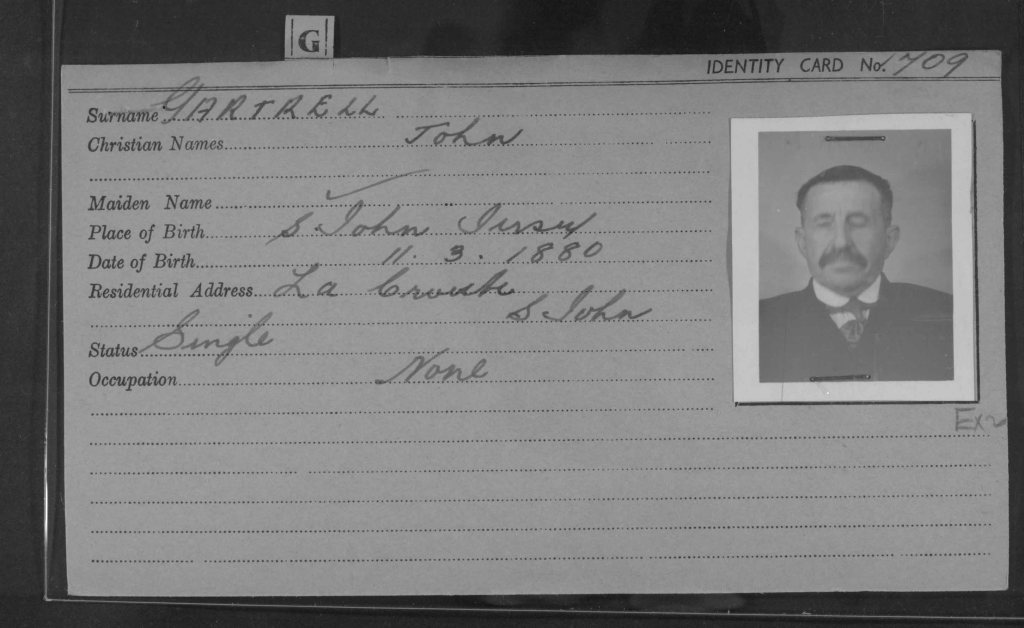
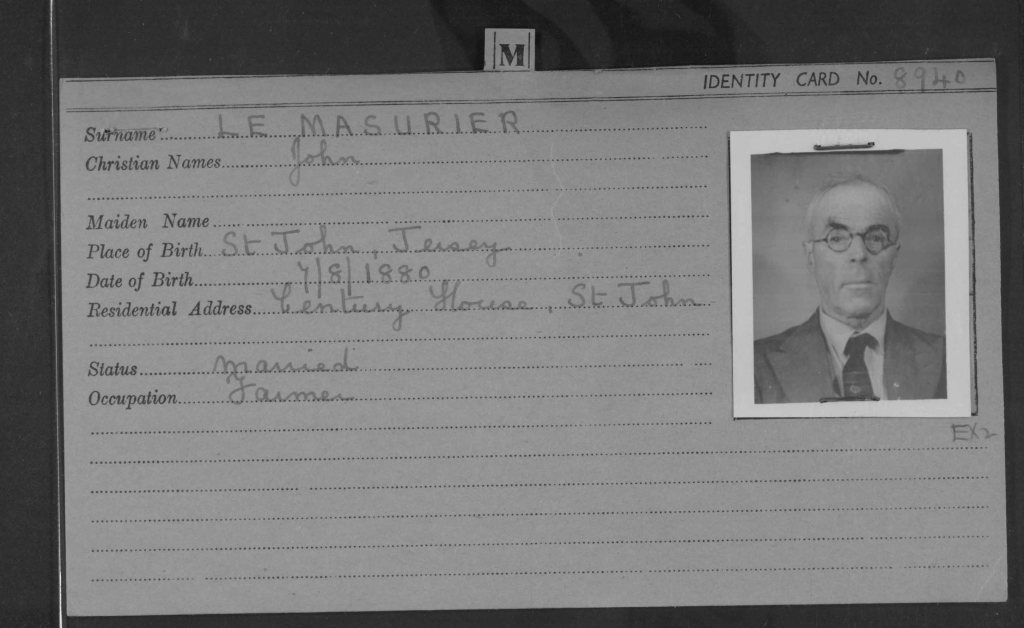
Only two Members voted against the decision – the Constable of St John, John Le Masurier, and Deputy of St John, John Gartrell.
The Constable warned of the dangerous effects of arsenate in any form and argued that it was better to wait and see if any beetles came to the Island before acting.
Concerns were also expressed about the effect of spraying on the Island’s water supply.
Preparations for the spraying began and official notices appeared in the local press asking anyone who grew potatoes or tomatoes in any quantity to come forward.
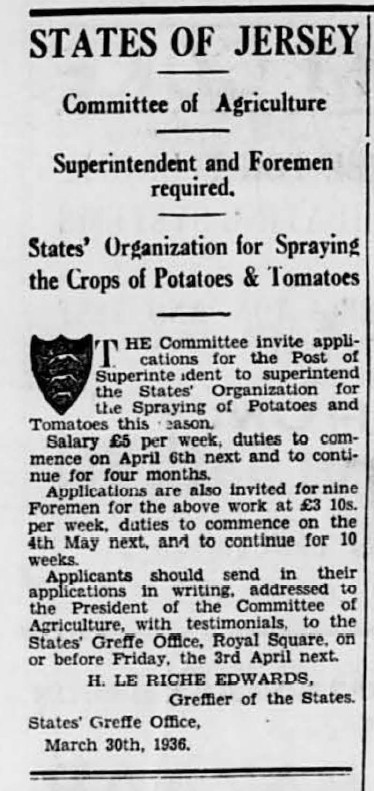
There were also adverts for a superintendent to oversee the spraying.
However, Islanders were quick to show their disapproval.
Letters appeared in the Evening Post, including one from a local fruit grower, who warned that “it will not be safe to buy any soft fruit grown in the Island, because you will have no guarantee that it has not been grown alongside a poisoned field”.
A petition was organised and a special general meeting of the St Lawrence and St John’s Agricultural Societies was called to discuss the matter.

At that meeting, chemist T W Attenborough laid out the dangers of crop spraying with arsenate of lead. Mr J S P Touzel said the question of crop spraying arose a few years previously and “the whole farming community was against it”.
This time, neither the States nor the Committee of Agriculture had given farmers a chance to have their say: “The States had not asked them if they were willing to use this deadly poison. They passed an Act which showed them they were not masters of their own farms.”
On 8 April, Philip Hubert of St Ouen was announced as the Superintendent Inspector with overview of the crop spraying.
Six foremen were also appointed with 100 men and six lorries at their disposal.
A week later, a letter from Deputy Edward Le Quesne appeared in the Evening Post stating the use of arsenate of lead in large quantities was “not only dangerous but almost criminal”.
He acknowledged that he voted in favour of it in the States but had changed his opinion.
The next day, a meeting of the Trinity Agricultural Society was held at the parish school.
Large numbers of farmers from several parishes attended and views for and against the controversial crop spraying were voiced, with accusations that the dangers were “grossly exaggerated”.
However, opposition continued to grow, with further public meetings and even a man walking around St Helier wearing a sandwich board that read: “Tomorrow’s Menu, Jersey Potatoes, Arsenate of Lead, Followed by Painful Death.”
The petition against the crop spraying was signed by about 2,000 people and presented to the States by Island growers.
The Bailiff convened a special States Assembly on 27 April and it was described as “one of the most momentous sittings of the States”.
Several hundred farmers attempted to gain admission to the public gallery, but the public seats were quickly filled and they had to content themselves with standing in the Royal Square to await the outcome.
The Constable of St John submitted a resolution that the compulsory spraying of arsenate of lead should not happen unless Colorado beetles were found in the Island or having received sanction of the States Assembly. The Assembly agreed to make its decision on 11 May.
Opinions about the controversy continued to be aired, including concerns about the financial impact on farmers and the Island as a whole if nothing was done and the Colorado beetle reached Jersey.
More parish meetings were held for politicians to gauge public opinion and the idea of compulsory spraying was resoundingly rejected.
To add to the melee of public opinion, the Evening Post announced on 6 May that the spraying of Guernsey’s potato crop had begun.
The States met on 11 May to decide whether the spraying programme would proceed. Hundreds of farmers gathered again in the Royal Square. After much discussion, the Constable of St John’s resolution was passed by 33 votes to 16. The Committee of Agriculture resigned in protest.
States Members who voted for the resolution were cheered as they left the Assembly, while with those who voted against received a mixed reception. The Constable of St John and Deputy Gartrell, who had originally voted against compulsory spraying, were met with large cheers and carried shoulder high by a large throng of people.
Colorado beetles did get to Jersey at times over the following years, including in 1949 and again in 1957 and 1983. There was enforced crop spraying in some of those years but fortunately, the beetle never became the “calamitous” issue feared by the Committee of Agriculture.
