


Islanders who were severely disabled by covid vaccines face a “not fit for purpose” process for obtaining a government payout – with no one from Jersey being compensated under the scheme so far.
The UK government’s Vaccine Damage Payment Scheme offers a one-off tax-free sum of up to £120,000 to people who have such serious adverse reactions to vaccines that they are “at least 60% disabled”.
Covid-19 injections were added to this initiative in December 2020, but Jersey did not come under the scheme until almost four years later – in May 2024.
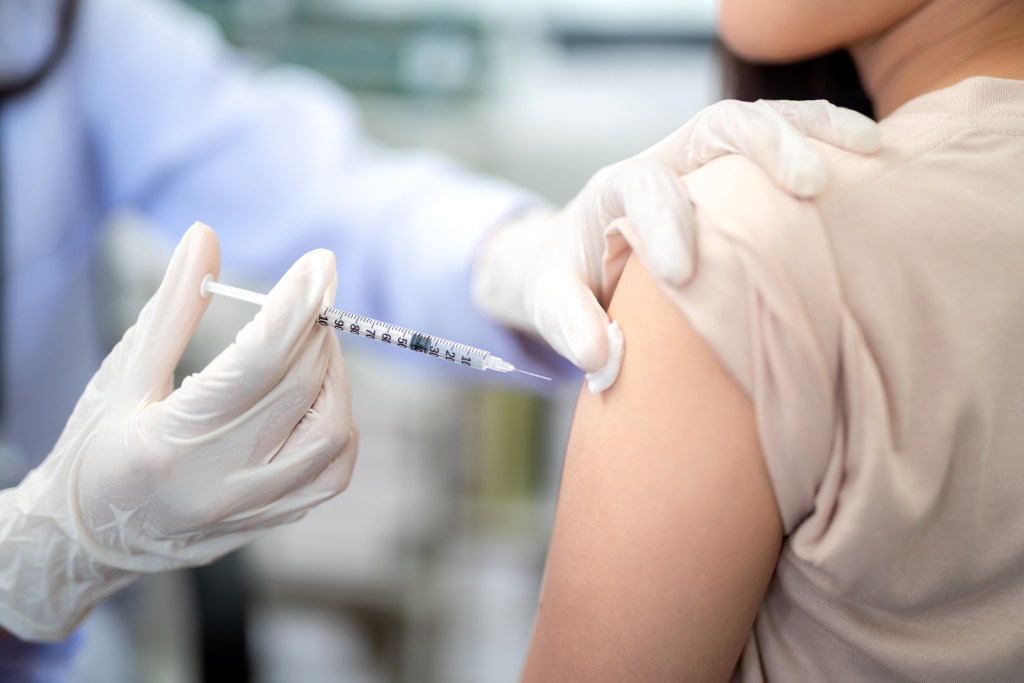
The response to a request made by Express under the Freedom of Information Law revealed that no one from the island has met the threshold for a vaccine damage payment.
As of 4 April 2025, seven islanders had applied for compensation under the scheme.
And those affected by vaccine injuries have told Express they do not feel that they are getting the help and financial support they need.
“Not disabled enough” for compensation
Jane Fulton was hospitalised when she lost feeling in her limbs just one week after receiving her first AstraZenaca vaccine.
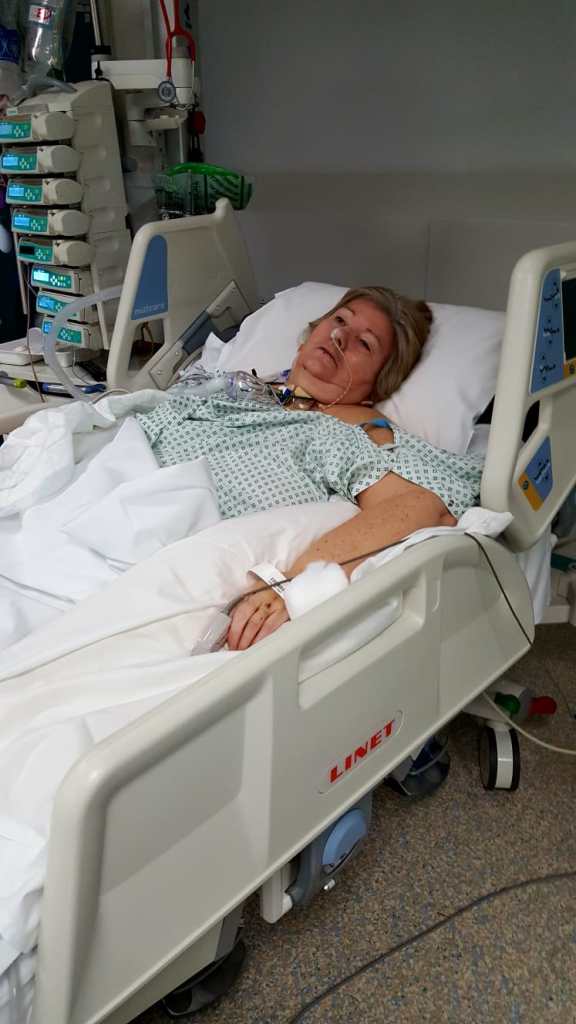
She was diagnosed with Guillain-Barré syndrome – a rare condition that occurs when the immune system attacks the nervous system. It can be triggered by bacterial and viral infections and, in some cases, vaccines.
A correlation between a first dose of the AstraZeneca vaccine and a small but significant rise in cases of Guillain-Barré syndrome has been identified by UCL scientists, as part of an analysis of NHS data.
Documents seen by Express confirm Jane’s official diagnosis as “Guillain-Barré syndrome following first dose of AstraZeneca covid vaccine”.
She was paralysed from the eyebrows down, and spent five days in a coma and almost four months in hospital.
Jane said that her life “will never be the same again” as a result of the vaccine – but she was told that she is “not disabled enough” to claim compensation under the Vaccine Damage Payment Scheme.
“I wouldn’t wish this on anyone”
Jane wants the Government to “stand up and take account”.
She said: “This is all because I went in good faith to get that injection. If someone had told me that there was a risk that this could happen to me, I would certainly have thought twice about it.
“I wouldn’t wish this on anyone. I know it is a very rare thing, but I hadn’t known that there was any connection at all between the vaccination and Guillain-Barré syndrome, and I feel that I should have at least been aware of it.”
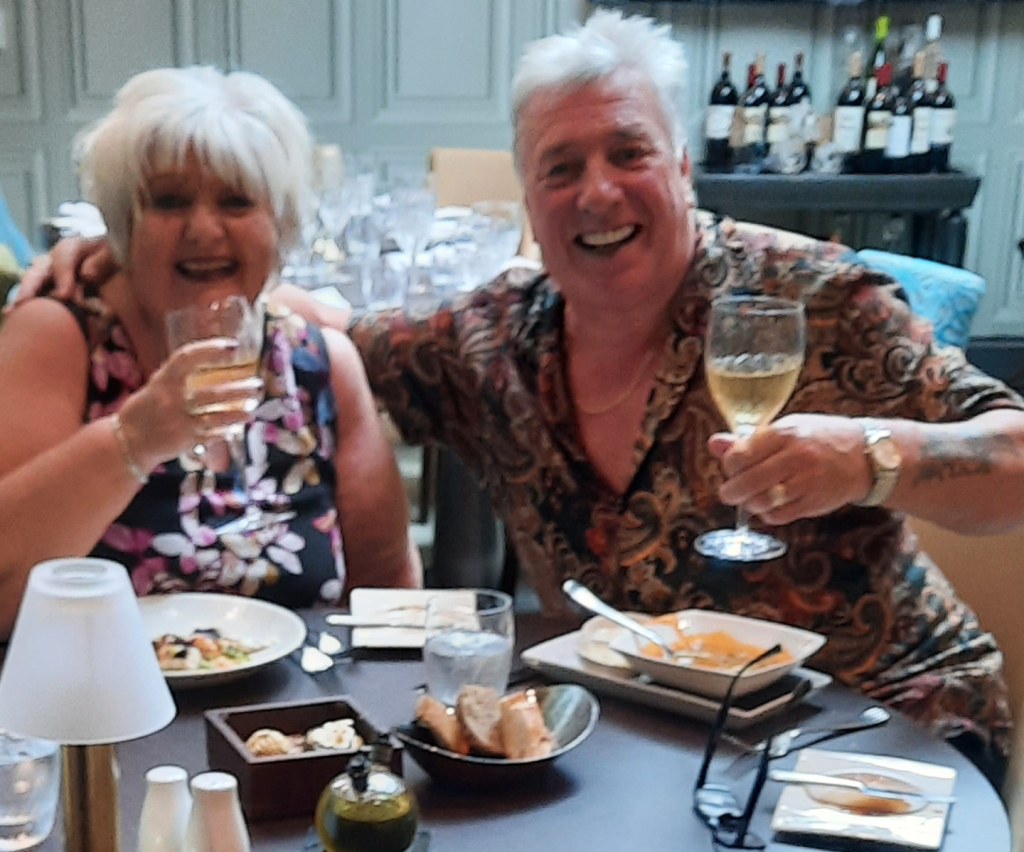
Jane added: “I just think it should be recognised that the injection actually did disable people.
“I feel sorry for all the other people that have been damaged by it.”
And she wants the Government to “be more helpful and listen to people a bit more”.
“They just don’t care,” she said.
“You just get the feeling they just want you to go away. They’re not interested in what anybody says.”
But although she feels that the Government doesn’t want to listen, Jane has felt a shift in opinion from her fellow islanders.
She believes there’s a growing recognition that the vaccine “wasn’t as great as everyone thought”.
“The more you speak to people now, the more willing they are to listen,” said Jane.
“An extraordinarily high threshold”
Danielle Hervé set up the Vaccine Injured & Bereaved Jersey community support group after she lost her father shortly after he received his second covid vaccine.
She described the Vaccine Damage Payment Scheme as “not fit for purpose” and “woefully inadequate”, with “fundamental flaws”.
Danni said: “To qualify, individuals must prove 60% disability, an extraordinarily high threshold, together with the issue of ‘causation’ which is proving difficult to establish.

“Many healthcare professionals are reluctant to acknowledge vaccine injury either through ignorance or avoidance, leaving those affected in an impossible position: unable to access meaningful medical care, and unable to move forward with a claim.
“This creates not only a medical and financial burden, but a deep emotional wound a sense of being abandoned.”
She added that many of those suffering have not even attempted to claim compensation under the Vaccine Damage Payment Scheme process because of the “enormous barriers” – including lack of information, medical denial, stigma, or simply having no strength left to fight.
“In Jersey very few people have pursued a claim, that does not however mean that there are not a significant amount of people who should be supported in making a claim,” she said.
“Many are calling for a complete overhaul, not just of the scheme itself, but of the broader system that allowed this situation to unfold.
“That includes serious questions about the immunity afforded to vaccine manufacturers, which effectively removes any incentive to prioritise safety when no meaningful accountability exists.
“Experiences like Jane’s are not unique sadly, where they have suffered serious adverse reactions to the covid vaccine and find themself alone in having to walk this road to seek support from this failing scheme and the system itself.
“It’s time we face that truth, no matter how uncomfortable it may be.”
“We understand the frustrations of those affected”
When contacted by Express, Public Health deputy director Grace Norman said: “Our thoughts are with those who have experienced adverse events from the COVID-19 vaccine, and we understand the frustrations of those affected”.

She explained: “Jersey contracted with the UK’s Vaccine Damage Payment Scheme to ensure that Jersey claims are given the same consideration as UK claims.
“This means that any claims made by islanders follow the same rules and process as those in the UK.
“Medical assessments are carried out by a registered doctor and consider the individual facts of each claim.
“If a claim is rejected, islanders can challenge the decision and ask for their claim to be assessed again.”
Ms Norman added that “adverse reactions to vaccines do happen but are very rare”.
“We’d like to remind and reassure islanders that vaccines are generally safe and highly effective, and essential in protecting the population’s health,” she said.
