

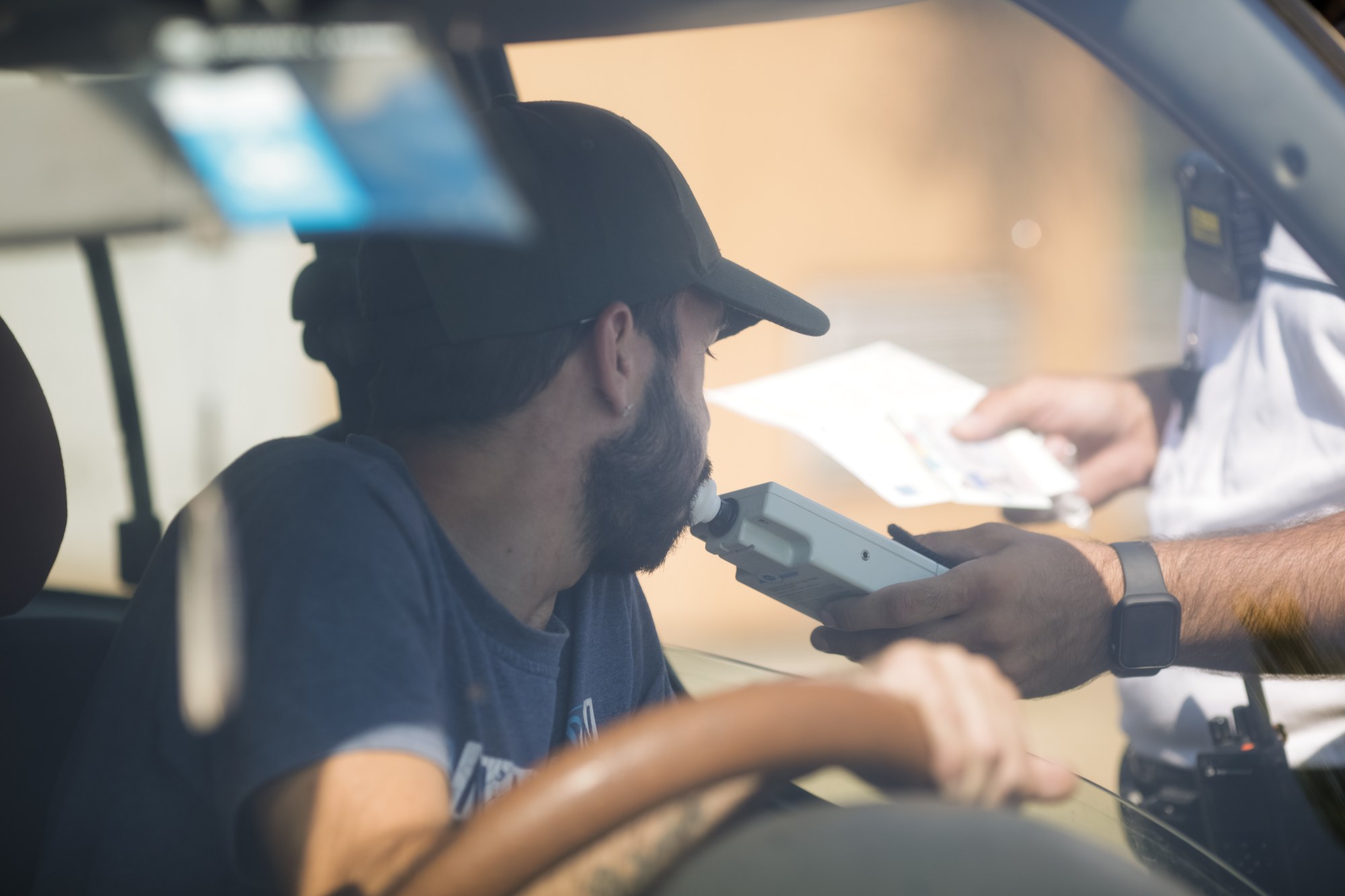
Police are set to introduce a new £15,000 breath-testing machine as part of ongoing efforts to strengthen the island’s response to drink- and drug-driving.
The Lion Intoxilyzer® 9000UK has been approved for use by the Home Affairs Minister, replacing an ageing device used by the States of Jersey Police for decades.
The approval means officers will be able to use the new machine to analyse breath samples in investigations into suspected drink-driving offences.
According to police, the existing Lion Intoxilyzer® 5000 has reached the end of its operational life after many years in service.
Maintenance has become increasingly difficult due to a shortage of spare parts and limited support from the manufacturer, raising the risk of equipment failures that could affect investigations and prosecutions.

Police Chief Robin Smith wrote that the replacement device has already been purchased and delivered, with the new machine costing £14,808 including operational supplies, training and a maintenance plan.
It was funded through the police capital budget and arrived in Jersey in December last year.
The new model received UK Home Office type-approval in 2025, allowing it to be used for evidential breath testing in criminal investigations.
Under Jersey law, officers investigating suspected drink-driving offences can require a motorist to provide two breath specimens for analysis using a device approved by the Home Affairs Minister.
The approval comes as ministers seek to tighten the island’s overall approach to impaired driving – including proposals to introduce clearer powers to prosecute motorists driving under the influence of drugs.
Separate draft legislation lodged in the States Assembly would introduce legal limits for certain drugs in drivers’ blood and allow police to carry out roadside drug testing, measures intended to close a gap in the current law.

While driving while impaired by drugs is already an offence, there is currently no statutory limit defining how much of a drug can be present in a driver’s system, making prosecutions difficult even when impairment is suspected.
The proposed regulations would introduce a new offence for driving, attempting to drive, or being in charge of a vehicle while over a prescribed drug limit – initially focused on THC, the active compound in cannabis.
Under the proposals, the legal limit would be set at five micrograms of THC per litre of blood for most drivers.
A stricter limit of two micrograms would apply to professional drivers, public-service-vehicle drivers, driving instructors while teaching, or motorists who are also over the alcohol limit.
Police would also be given powers to carry out roadside drug screening using sweat or saliva tests, with positive results providing grounds for arrest and further evidential testing.
If approved, the changes would bring Jersey’s drug-driving laws more closely into line with those used in the UK and other jurisdictions.
The move reflects growing concern about the dangers of drug-impaired driving.
Last year, Mr Smith said he was “more concerned” about drivers under the influence of drugs than alcohol, warning that drug use behind the wheel is harder to detect and may be more widespread.
