
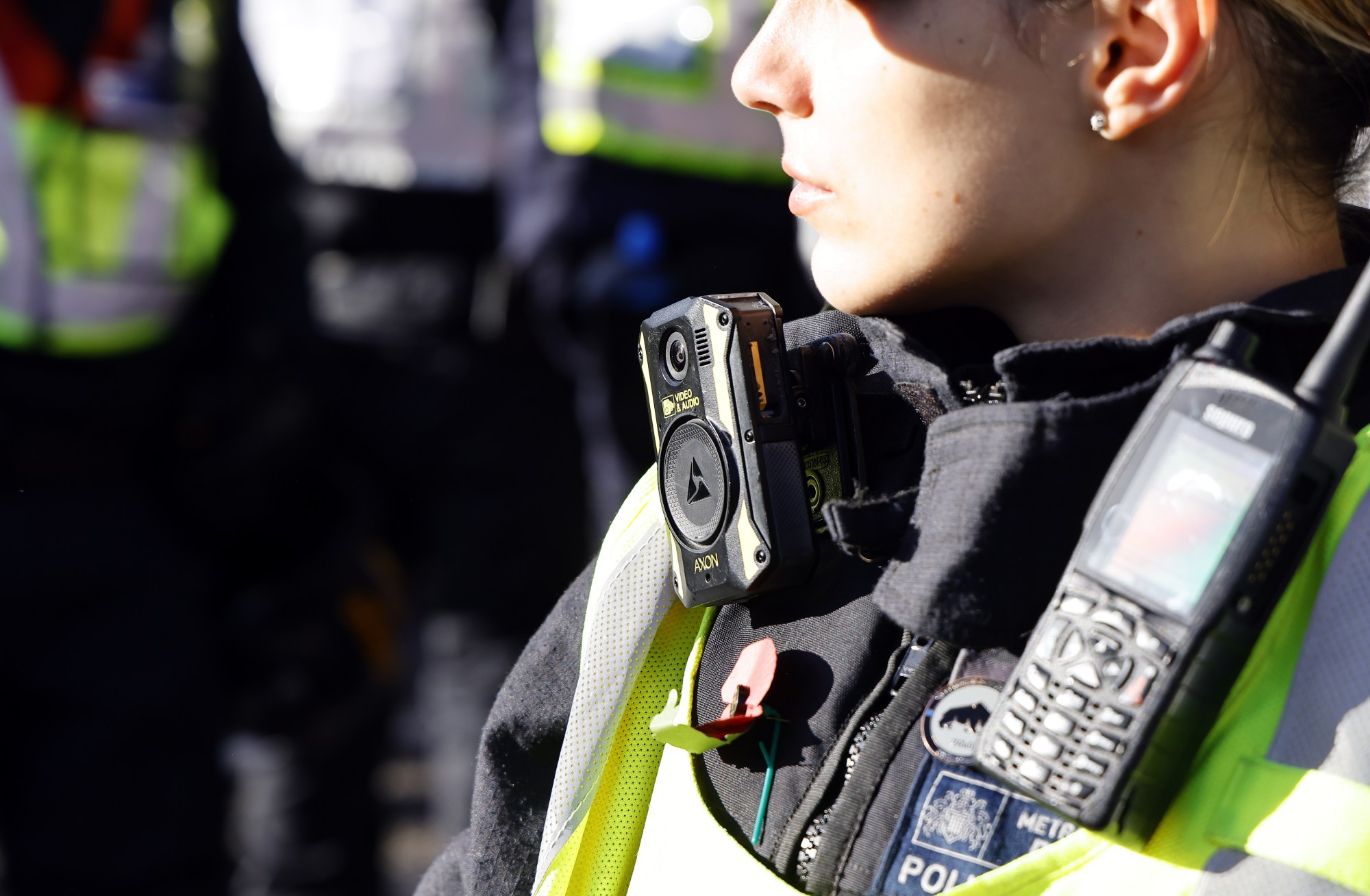

All police body-worn cameras now include a 30-second pre-record function after concerns were raised about the late activation of the devices in some incidents.
The most recent annual report of the Jersey Police Complaints Authority stated: “There have been occasions when [body worn] cameras have not been activated sufficiently in advance of an incident and significant evidence has not been available as a result.”
In a letter, the Home Affairs Minister confirmed that the States of Jersey Police acknowledges the concerns raised regarding the prompt activation of body-worn cameras during certain incidents.
She was writing to the Chair of the Children, Education and Home Affairs Panel following a public hearing.
Officers are now required to activate their body-worn cameras at the earliest opportunity during any meaningful operational encounter
home affairs minister Mary Le Hegarat
Deputy Mary Le Hegarat explained that “several key measures have been implemented to ensure officers activate their cameras promptly and that video evidence is reliably available when needed” in response to concerns.
She said that the force’s body-worn video policy was updated in January to “provide clearer guidance and reinforce expectations”.
“Officers are now required to activate their body-worn cameras at the earliest opportunity during any meaningful operational encounter,” said Deputy Le Hegarat.
“This includes all initial interactions with the public that relate to a policing purpose.”
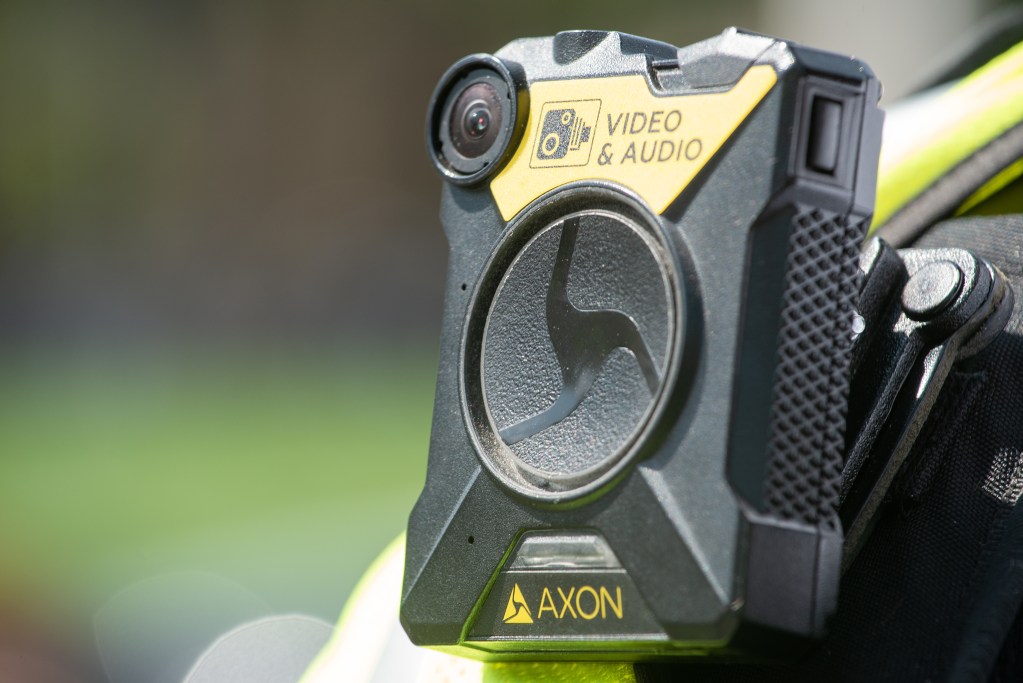
The Minister explained that, to support this, all body-worn cameras now include a 30-second pre-record function.
She explained: “This feature continuously buffers video and audio, capturing the 30 seconds prior to manual activation.
“This ensures that even if an officer activates the camera slightly late, the crucial lead-up to the incident is still recorded.
“The use of this pre-record function is now mandatory and considered the standard method of activation.”
Deputy Le Hegarat explained that police officers have also received “comprehensive guidance” on the correct use of body-worn cameras, including when and how to activate them.
“These steps are part of a broader effort to enhance transparency, protect both the public and officers, and maintain public confidence in policing,” she said.
“The States of Jersey Police remain committed to continuous improvement in the use of body-worn video and welcomes ongoing feedback from the Jersey Police Complaints Authority and other stakeholders.”
