
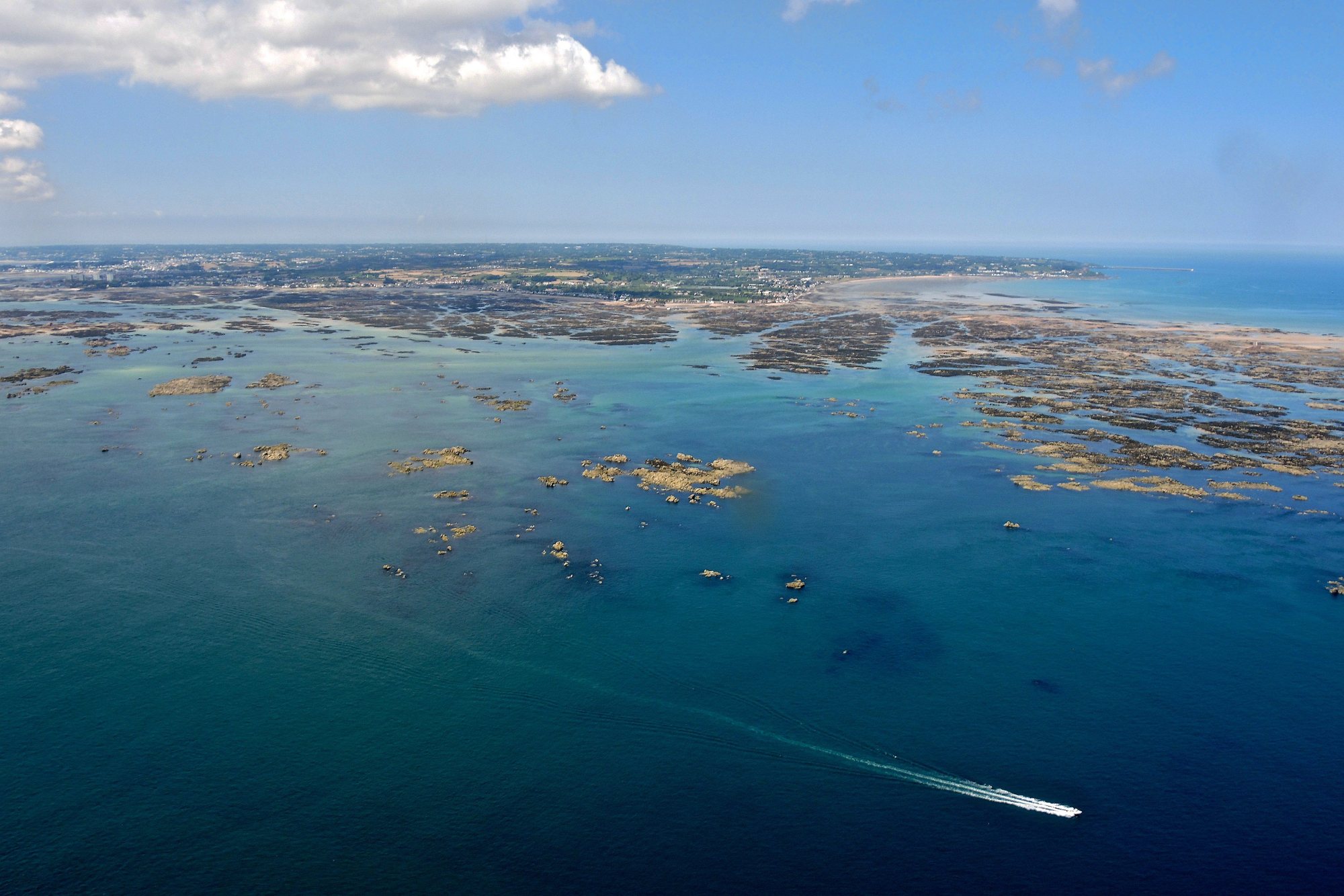

A “maze” of gullies that is home to rare species and archaeological sites will have been designated as an internationally important site for a quarter of a century on Monday.
A 17-square-kilometre area on Jersey’s southeast coast was designated a Ramsar site on 10 November 2000. It was the first of four sites in Jersey to be listed under the international convention, which protects wetlands around the world.
The area – spanning from La Collette to Gorey, plays host to oyster farms, seals, dolphins and birds that migrate from the Russian Arctic – as well as fish and shellfish.
Bob Tompkins, who has been involved with the Ramsar committee almost since its inception, said: “It’s a phenomenal area, very different from anywhere else you will find.
“The reef system is unique. There is nothing like it in Europe – the diversity is incredible.”

He described a “water maze” of gullies, each of which is different from the others.
Archaeological sites range from Neanderthals to the Iron Age “and beyond”, he added, and this is growing in importance.
“It is a very important area to be surveyed and monitored,” said Mr Tompkins.
One of the dozens of bird species in the area are dark-bellied brent geese. They fly down from Svalbard and the Russian Arctic and are having “an incredible year”, with twice as many birds as usual.
They spend late autumn, winter, and early spring in Jersey, he added, and go back and forth between the wetlands and grazing in fields in Fauvic.
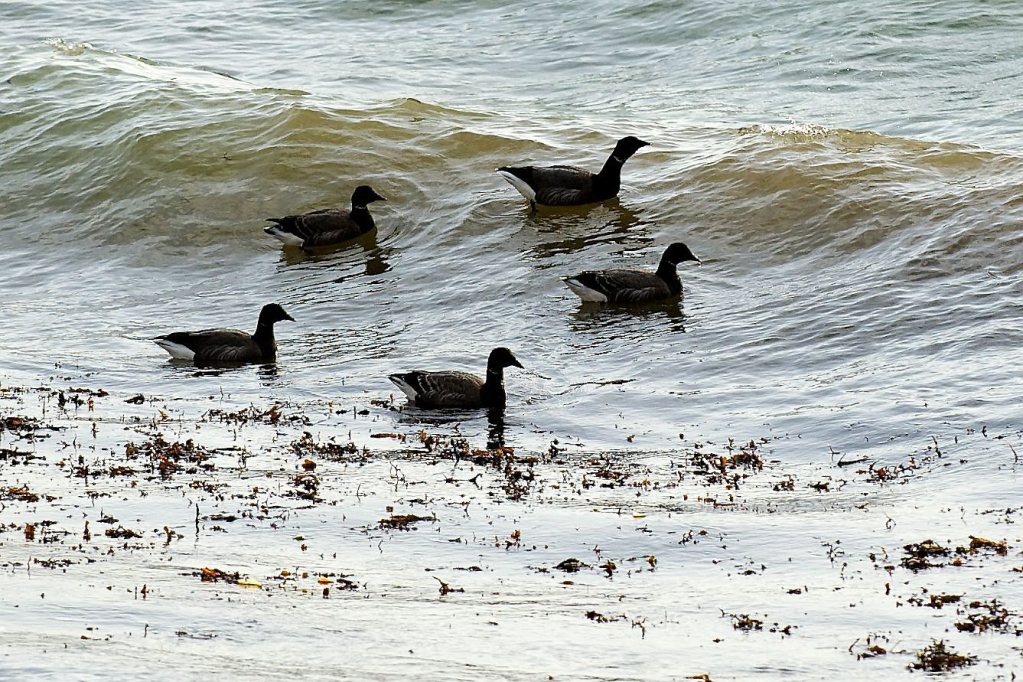
The birds contribute to Jersey’s eelgrass beds doing well, explained Mr Tompkins.
There have been issues, he said, with the management of Jersey’s Ramsar sites – but there has been “a huge improvement” in the past ten years, bringing down the size of its committee and improving how they work with government, and introducing a management plan.
But the area, which is monitored by a mix of volunteers and government employees, is also seeing the impact of warming sea temperatures and more intense storms. This wouldn’t just affect the water, but also the gravel – and in turn, oyster farming in the seabed.
Warming water “is certainly going to have an impact on the reefs and an impact on the whole of the Ramsar sites,” said Mr Tompkins.
