

The Jersey Tiger moth has had a record-breaking year, with the species being recorded more widely and in higher numbers than ever before.
Just a decade ago, the moth species was largely restricted to the Channel Islands, the south coast of England, London and south-east Wales.
But now Jersey Tiger moths are frequently spotted across southern England, and are continuing to spread through East Anglia and into the Midlands.
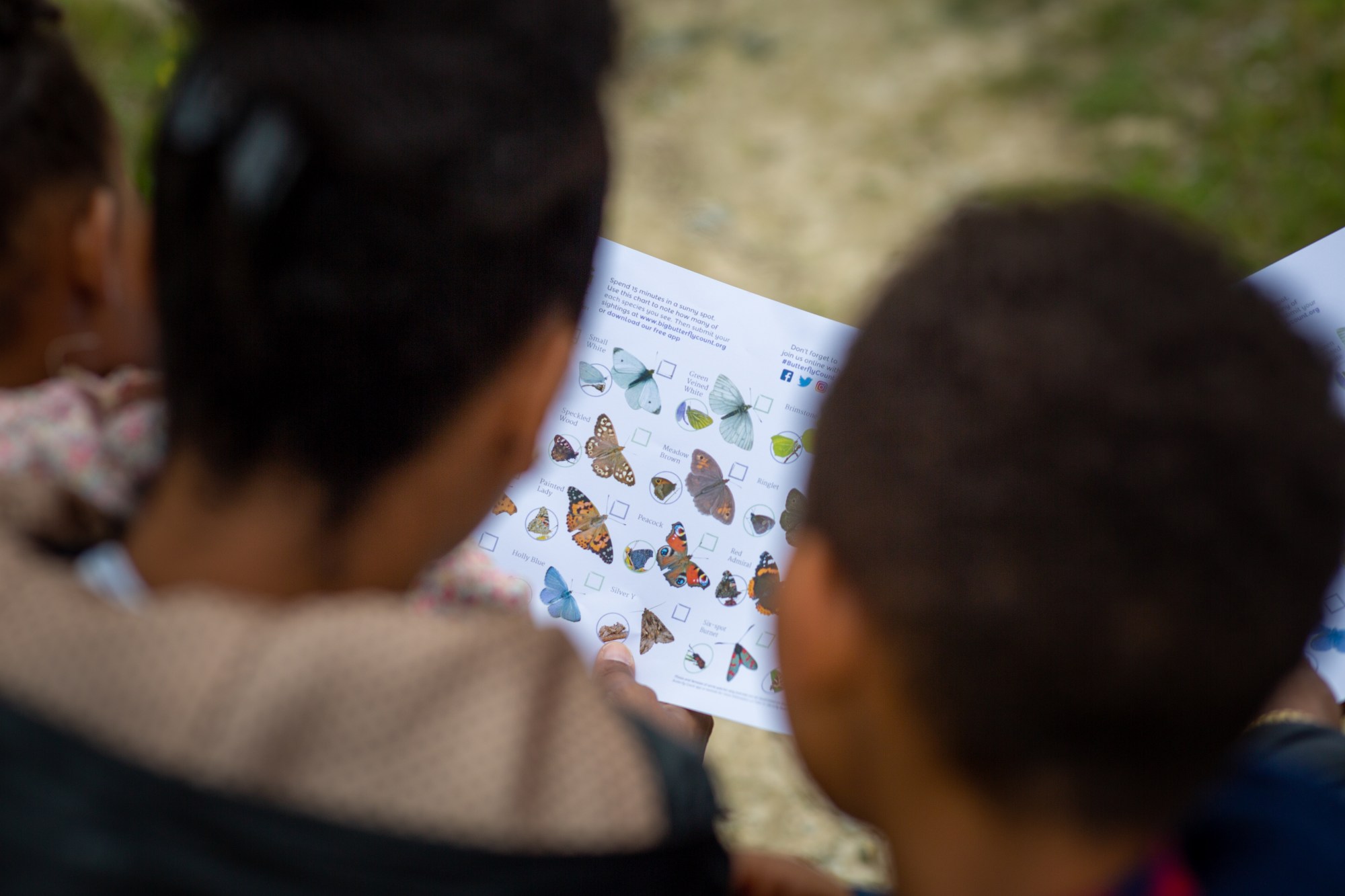
Wildlife charity Butterfly Conservation recently released the results of its Big Butterfly Count.
Between July 18 and August 10 this year, over 125,000 people across the UK got involved in the count and recorded 1.7 million butterflies and moths.
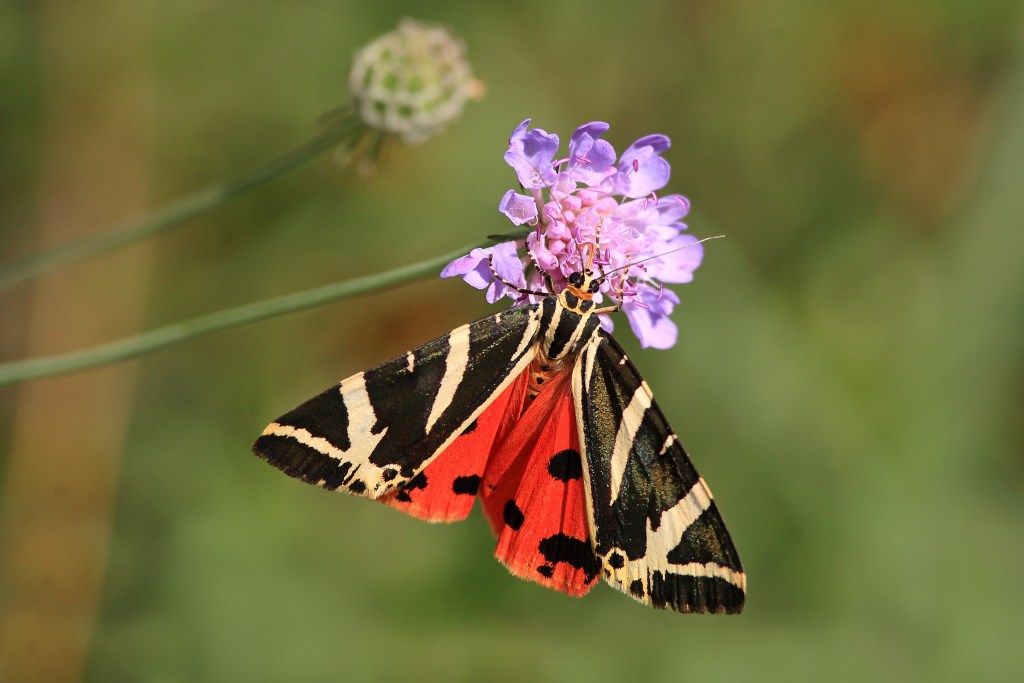
The results showed that the Jersey Tiger moth saw a 175% increase from 2024 to 2025.
Butterfly Conservation said the species had a “record year” and was “recorded more widely and in higher numbers than ever before”.
But this was not the case for many other species.
Although this year’s results marked an improvement on the record lows in 2024, the 15-year trend showed that more than twice as many widespread species have declined significantly than have increased.
And, while most species had a better than average summer this year, one-third of species fared poorly even in the generally beneficial weather.
Butterfly species are facing significant pressure from challenges linked to habitat loss, climate change and pesticide use
Dr Richard Fox, Head of Science at Butterfly Conservation
Dr Richard Fox, Head of Science at Butterfly Conservation, said: “We may feel like we’ve seen lots of butterflies this summer, but that’s only because last year was so awful.
“Last summer’s results were the lowest we’ve seen and a stark warning that many of our common butterfly species are facing significant pressure from challenges linked to habitat loss, climate change and pesticide use.
“Whilst we’ve seen noticeably more butterflies during 2025’s Big Butterfly Count, the figures suggest it’s actually been a pretty average year for them by modern standards.”
He added: “There remains a need for us to take urgent action to support our butterfly populations, including by improving the environment in which they live, restoring habitats and reducing pesticide use.
”Until we do these things we are unlikely to see a great recovery in butterfly numbers, regardless of how much the sun shines.”
