


More Jersey workers are putting salary ahead of workplace perks when considering a move, with new research suggesting the Island’s cost-of-living pressures continue to shape career decisions.
A survey by executive recruiter Kendrick Rose found the proportion of respondents naming pay as their top priority has tripled over the past two years, rising from 6% in 2024 to 18% in 2026.

Although company culture and flexible working remain the most sought-after qualities in a role, the research suggests financial security is becoming a bigger factor for an increasing number of candidates.
This year, 41% of respondents ranked company culture as their top priority, down from 44% last year, while 33% chose flexible working, compared with 35% in 2025.
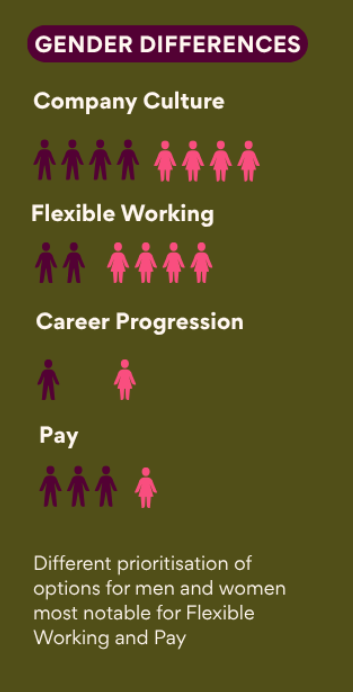
The findings also point to a growing difference between what male and female jobseekers say matters most when weighing up a new role.
Among men, 31% said salary was their top priority, up sharply from 14% last year. For women, the figure rose only slightly from 8% to 10%.
Meanwhile, the proportion of men prioritising company culture fell from 53% to 41%, while interest in flexible working remained broadly unchanged.
The survey comes as household budgets continue to feel the impact of rising prices, despite inflation slowing.
Statistics Jersey reported prices increased by 2.8% during 2025, including a 3.7% rise in food prices.
Kendrick Rose managing director Shelley Kendrick said salary was being discussed much earlier in the recruitment process than in previous years.
“From what we’re seeing in the market there feels like a shift towards more tangible priorities,” she explained.
“Salary is coming up explicitly in conversations much earlier as people appear to place more weight on immediate financial security as the cost of living remains high.
She added: “Company culture and flexible or hybrid working remain hugely important for people looking for professional roles in Jersey, however, the gender split between pay and flexible working as priorities is potentially growing.
“This doesn’t mean women don’t care about pay, or that men don’t care about flexible working. It just signifies that different things matter to candidates across sectors and life stages and serves as a reminder that many factors are at play when we help negotiate an offer.”
This year’s survey also reflected changing attitudes towards career development.
Kendrick Rose replaced “package” as a response option with “career progression”, which was selected by 8% of respondents.
Ms Kendrick said candidates were thinking differently about long-term development.
“Candidates are talking about career progression in a less traditional way, more around development, exposure, and longer-term positioning rather than just title or step changes,” she explained.
“Package doesn’t have the same resonance as before. Benefits are either seen as tangible, and akin to pay, or intangible, and potentially covered by a company’s culture, and what it offers employees.

“For employers, the message isn’t that salary has replaced culture or flexibility. Candidates are still looking at the whole proposition, but competitive pay appears to be carrying more weight than it has over recent years.
“Organisations that can clearly demonstrate what they offer in terms of financial rewards and longer-term career development will be in the strongest position to attract the best talent.”
