

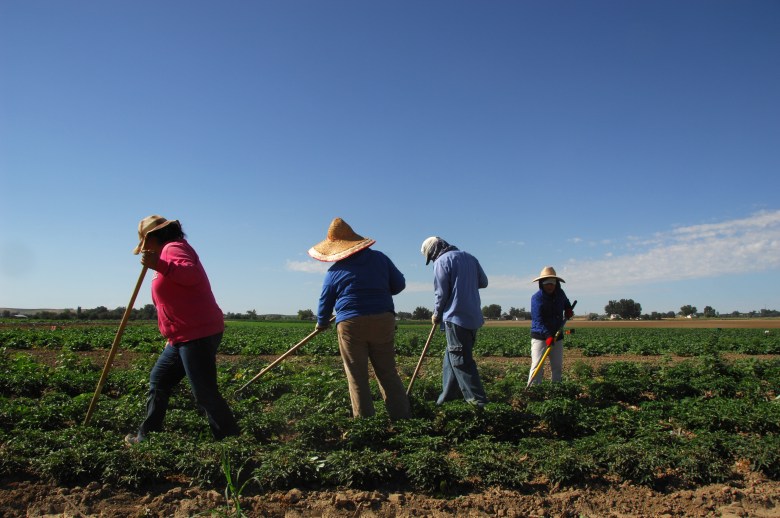
Seasonal workers should be exempt from Jersey’s long-term care levy because they are unlikely to benefit from the scheme in later life, the Jersey Farmers Union has said.
The union made the call in response to a proposed rise in the contribution rate to 2.5%, which it estimates would leave a typical seasonal farm worker paying more than £650 over nine months.
In a submission to the Economic and International Affairs Scrutiny Panel on the proposed government Budget, Jersey Farmers Union president Doug Richardson said the increase would hit workers who have to leave the Island for three months under immigration rules.
“This affects our seasonal workers unfairly as they will never benefit from this tax as they will not be living in Jersey permanently in later life,” he explained.
The union calculated that a seasonal farm worker earning £13.59 an hour and working an average of 49.5 hours a week currently pays about £393 in long-term care contributions over nine months. Under the proposed increase, that would rise to £655.88, or £72.87 a month.
Mr Richardson said employers provide fully furnished accommodation at £152.60 a week. He described it as “shameful” that the government should charge each worker £16.82 a week in long-term care contributions “for providing absolutely nothing”.
“Adding to this injustice,” Mr Richardson said, seasonal workers who earn £26,235 during their time in Jersey have their income tax deduction rate calculated using an equivalent annual salary of £35,000.
The union wants those deductions spread over 12 months and seasonal workers to receive a full year’s tax allowances.
It said they can work in Jersey for a maximum of 39 weeks, with paid holidays taken while they are off-Island, but that their hours still average more than 35 a week when spread over a full year.
Elsewhere in its submission, the union welcomed the £1.1 million in annual support for agriculture and fisheries from 2027, saying it would help the sector cope with rising costs.
It also called for the Better Business Productivity Grants scheme to continue across all industries, with grants covering a greater share of project costs for agricultural businesses.
