

Around 180 people from across Jersey’s public, private and voluntary sectors have attended a sold-out conference exploring how greater collaboration could help tackle some of the Island’s biggest challenges.
Organised by Jersey Community Foundation, the event brought together representatives from the government, charities and businesses to discuss how pooling resources, expertise and knowledge could deliver better outcomes for Islanders.
Jersey Community Foundation was established in 2020 to encourage and support philanthropy across the Island.
It connects donors with organisations and causes in need of support, manages funds on behalf of donors and distributes grants to charities and community organisations.
Since its launch, JCF has distributed more than £15 million across Jersey and now manages more than 20 funds on behalf of donors and charitable trusts.
The conference, which took place earlier this week, explored what effective partnership looks like in practice, what Jersey can learn from initiatives elsewhere and how philanthropy could help support long-term solutions to complex social challenges.
It also provided an opportunity to discuss the development of Jersey’s first Philanthropy Policy, which JCF is leading the partnership with stakeholders across the island.
The policy is currently out for public consultation.
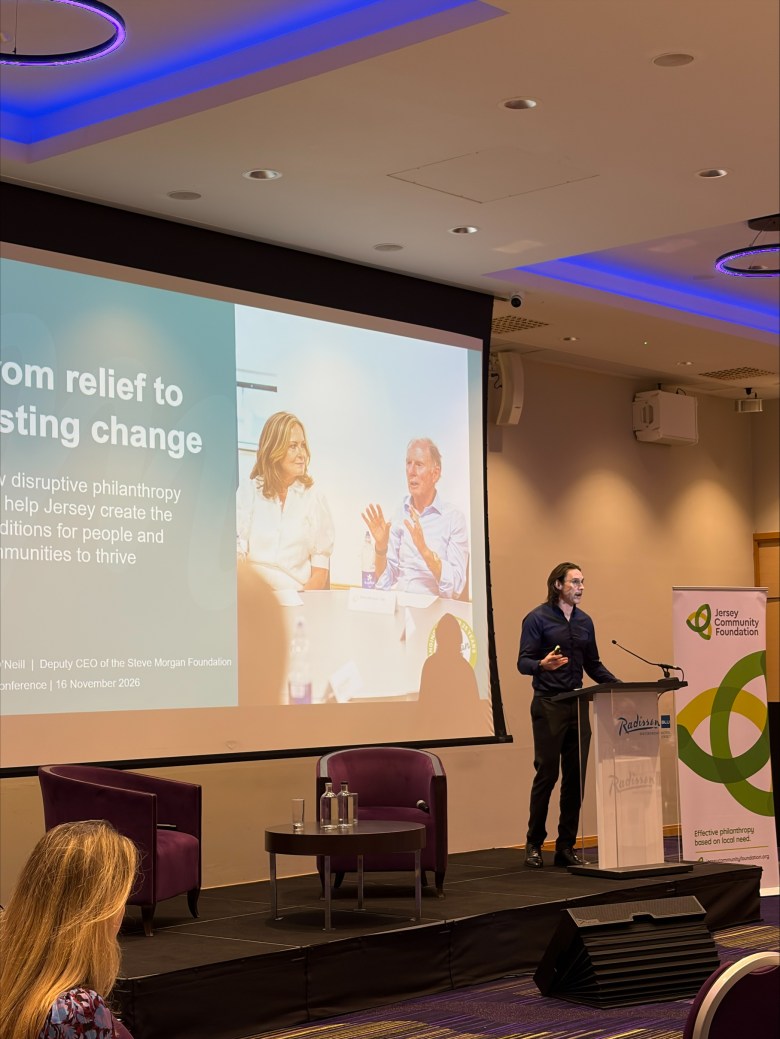
Among the speakers was Paul O’Neill, deputy chief executive of the Steve Morgan Foundation, who shared the organisation’s experience of using long-term investment, evidence and partnership to drive social change.
Founded in 2001 by entrepreneur and philanthropist Steve Morgan CBE, the foundation focuses on tackling the root causes of social disadvantage, particularly among children, young people and families.
The foundation has offered more than 2,500 grants, delivered over £500 million in total investment and impact, and helped improve more than 10 million lives.
It has also committed to investing £100 million over five years between 2025 and 2030.
Mr O’Neill said lasting change required more than simply providing funding, with organisations needing to agree on desired outcomes and work together over the longer term.
“Jersey has a real opportunity to build on the ambition that already exists across the Island,” he said.
“With philanthropy, government, charities, businesses and communities focused on the same challenges, it can turn that ambition into action and change Islanders’ lives for good.”
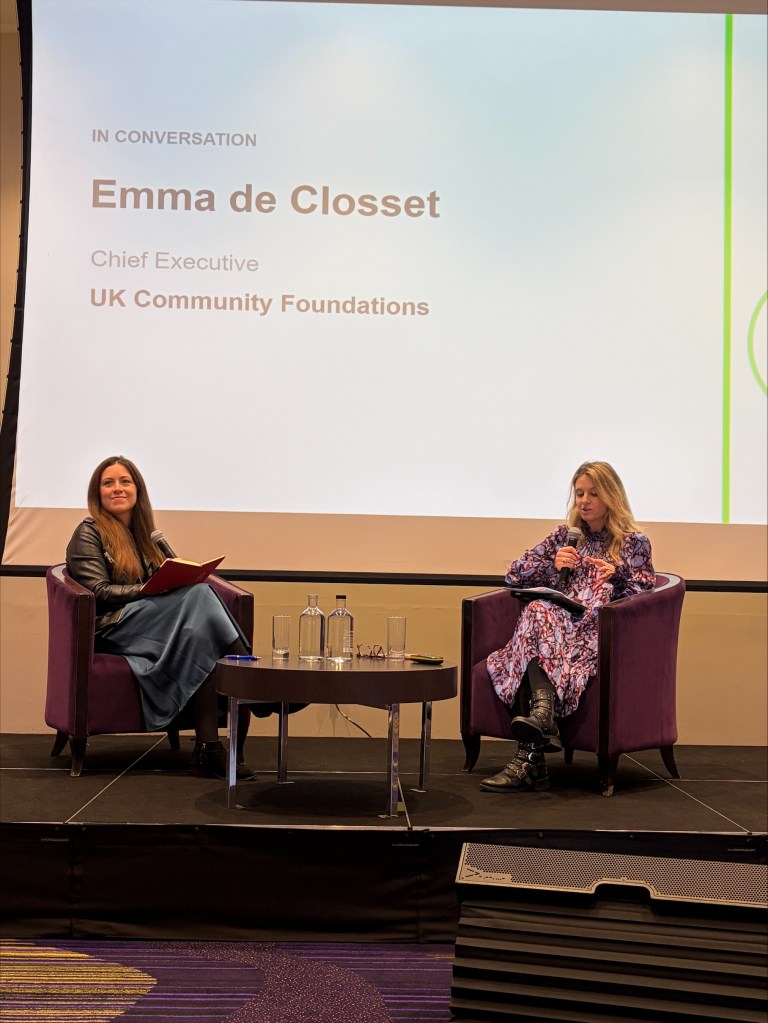
Emma de Closset, chief executive of UK Community Foundations, also spoke at the conference, drawing on her experience in senior government roles and her leadership of the network of community foundations across the UK.
She explored changing relationships between government, philanthropy and civil society, the importance of genuine partnership and the potential of place-based philanthropy.
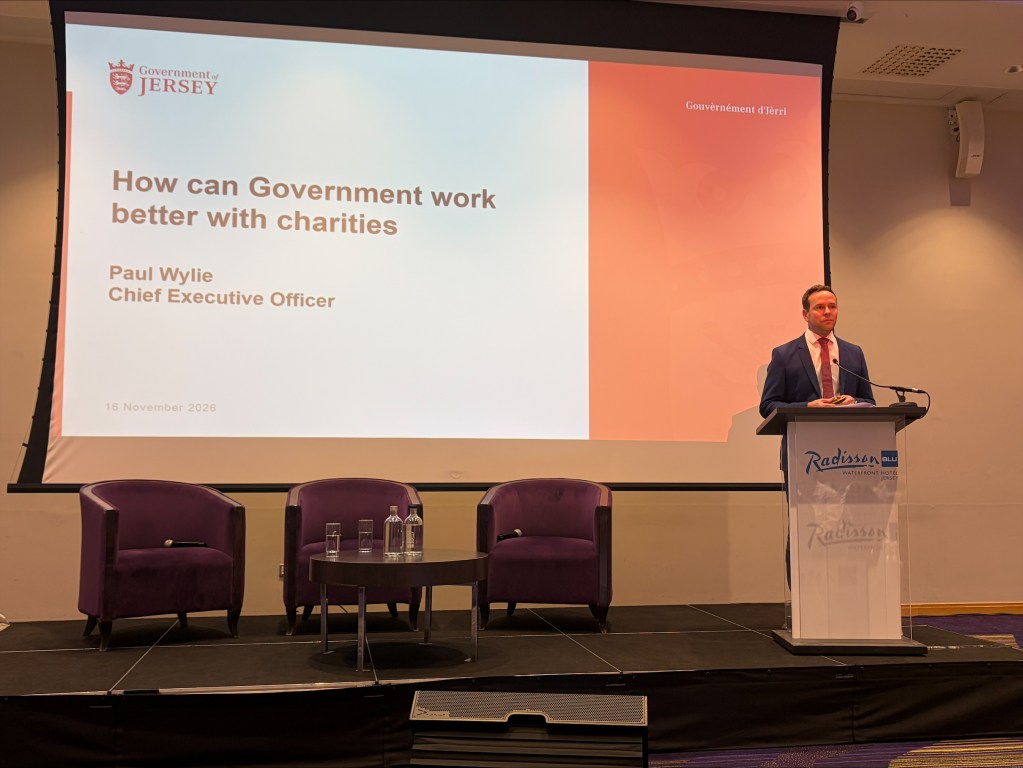
Paul Wylie, chief executive of the Government of Jersey, discussed the relationship between the civil service and voluntary and community organisations, including how collaboration between Government and the charitable sector could be strengthened.
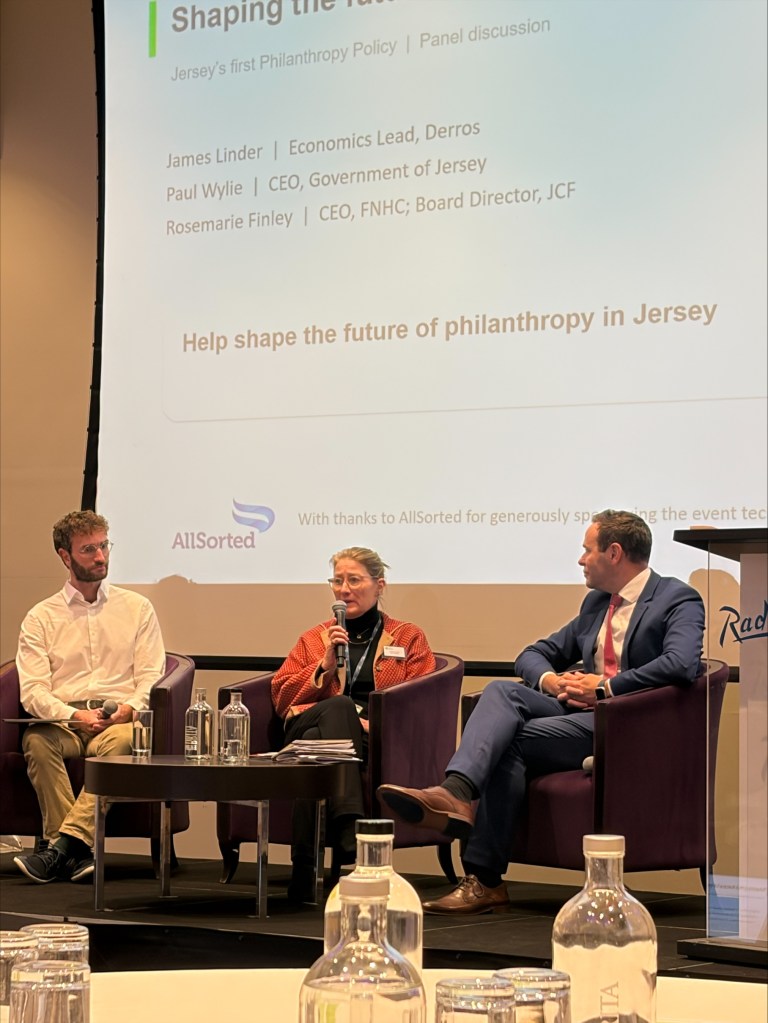
The event finished with a panel discussion about Jersey’s proposed Philanthropy Policy, featuring James Linder of DERROS, Mr Wylie and Rosemarie Finlay of Family Nursing & Home Care.
The panel considered why the policy was needed, its key recommendations and how it could help strengthen philanthropy and collaboration across the Island.
Anna Terry, chief executive of Jersey Community Foundation, said the response to the sold-out event demonstrated a willingness among organisations and individuals to explore new ways of working together.
“At Jersey Community Foundation, we see a real opportunity to bring people, resources and expertise together to make a lasting difference across our Island,” she said.
“There is a real appetite to work differently and to explore what we can achieve together.”
