


Same-sex couples in Jersey will finally be granted equal parental rights this autumn – more than eight years after the issue was first raised.
The long-awaited changes will come through the implementation of the Children and Civil Status Law, alongside new legislation that will scrap the classification of children as “illegitimate”.
The law will give same-sex parents the same legal recognition and responsibilities that heterosexual couples have long had, including both parents being named on their child’s birth certificate and automatic parental responsibility.
It will also provide legal clarity in cases involving surrogacy and assisted reproduction.
Children’s Minister Connétable Richard Vibert told the States Assembly yesterday that the law would come into force after the legislation around legitimacy has been debated.
“Staff have worked extremely hard to bring the legitimacy act forward and to bring it into force at the same time as the Children and Civil Status Law,” he told the States.
“And I think it is very important that when bringing in the Children and Civil Status Law, we are also in a position where no child in this island can be born and classed as ‘illegitimate’ in the future.”
The delay was criticised by Deputy Louise Doublet, who previously led the work on the legislation and has long campaigned for it to be prioritised.
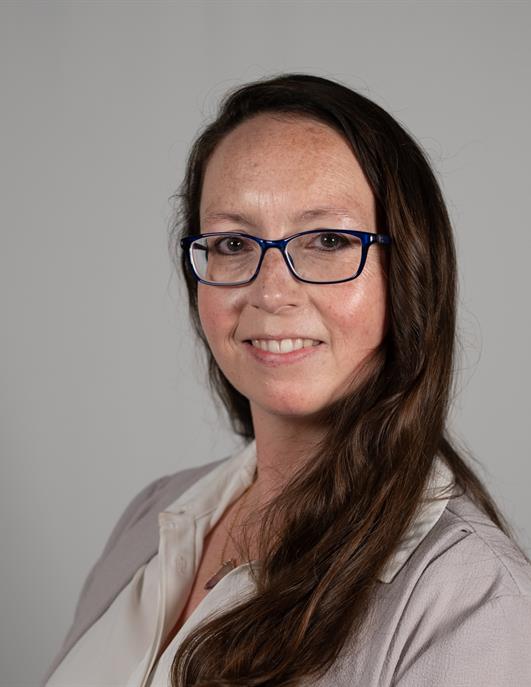
“There are children being born to parents who still do not have both their parents on their birth certificate,” she said. “This is wrong and should be resolved as quickly as possible.”
Deputy Doublet explained that when she consulted with same-sex families and stakeholders during her time as Assistant Children’s Minister, they made it clear that granting legal rights to parents and their children was more urgent than addressing the outdated terminology of legitimacy.
“The will of the stakeholders was that the legislation to give parental rights to same sex families was the most important thing and should be prioritised,” she said.
“I can understand this, as this is a human rights issue for the children in question, whereas legitimacy, as abhorrent as it is, mostly has only a cultural impact and many islanders are not aware of it, so it is not having an immediate negative impact.”
Despite this, Connétable Vibert confirmed there has been no direct consultation under the current government to revisit those views.
When asked whether same-sex families had been consulted, he said he would “have to check” whether officers had done so.
The Minister argued that implementing the same-sex parental rights law and the illegitimacy law together was important to ensure a complete legal framework that removes distinctions in both parental rights and child classification.
However, Deputy Doublet warned that prioritising both laws together risks further delay.
“It may be that the views of stakeholders and families have changed, and they do want to wait for the legitimacy law to also be finalised,” she said. “However, as the current minister has undertaken no consultation with families or stakeholders, we simply don’t know what their views are.”
Another concern raised in the Assembly was the financial barriers some families face in parental rights.
Deputy Doublet said that same-sex couples often must use assisted reproductive services, which can cost thousands.
Connétable Vibert acknowledged the problem and said he would raise the issue with the Health Minister, but would not commit to resolving it before the law takes effect.

“I would like to see progress on that, on the costs of using the reproductive unit, and I’m sure that between myself and the Minister, we can have a discussion and make some progress on that,” he said.
“I can’t guarantee that… I would rather get the law in place and pursue that matter separately.”
It comes after experts raised strong concerns last year that plans for a new fertility treatment funding model were “biased” towards heterosexual couples and would effectively result in a ‘gay tax’, as Express revealed last year.
It later emerged that members of Jersey’s LGBTQ+ community were not consulted about the proposed new fertility treatment funding model, which was described as “disappointing” by CEO of a local equality and diversity charity Liberate Kaye Nicholson.


