To mark Mental Health Awareness Week, Express has been speaking to local charities and organisations about five things they believe could be changed to promote better understanding of mental illness in Jersey.
This year, the national week – which runs from Monday 12 to Sunday 18 May – is focussed on the theme of community.
Mental Health Awareness Week aims to shine a light on the broad spectrum of mental health conditions that can affect individuals of all ages, and how society can bring people together in times of hardship, to improve wellbeing, support and recovery.
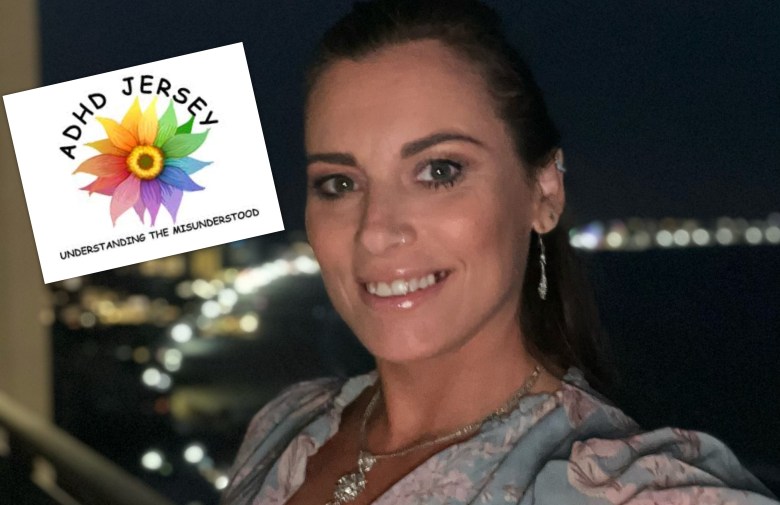
This week, we have already heard from My Voice, Mind Jersey and the Jersey Samaritans. Today, Rachel Tippett, founder and director of ADHD Jersey, shares five things she would like to see change in Jersey to improve the lives of people with the condition…
1. People’s mindsets
For those with ADHD, I would want to give them the curiosity to ask ‘What if?’
To be brave enough to see that what you were told about yourself isn’t gospel, and that life can be different.
For those who don’t have ADHD, please learn as much as you can, knowledge is power, and we need you to learn about what it’s like to be ADHD and to help us educate others.
2. Remove GP fear about shared care
Many GPs are hesitant about shared care between themselves and psychiatrists for ADHD management.
However, GPs would only be prescribing what the diagnosing psychiatrist has already recommended. GPs already see these clients regularly, and shared care can streamline treatment and make it more accessible.
We need to educate both patients and healthcare providers to remove the fear and stigma associated with shared care.
3. Make education more inclusive
Education systems need to be more inclusive and supportive of students with ADHD.
This includes training teachers to recognise and understand ADHD, implementing teaching strategies that cater to different learning styles, and providing resources that help students manage their symptoms.
By creating a more supportive educational environment, we can help students with ADHD reach their full potential.
4. Address misconceptions
There is a common misconception that ADHD is just a trend, and that everyone with the condition simply loses their keys, or is a bit forgetful.
This trivialises the real struggles that people with ADHD face daily.
ADHD is a serious condition that affects many aspects of life, including executive functioning, relationships, and employment.
The first doctors to recognise ADHD described it in the 1600s, showing that it is not a modern invention. We need to change this narrative and educate the public about the true nature of ADHD.
5. Recognise comorbid conditions
ADHD is never just ADHD. There are always coexisting conditions, which can include Ehlers Danlos syndrome or fibromyalgia.
This, combined with the stigma surrounding ADHD and late diagnosis, often leads to further comorbid conditions such as anxiety and depression.
When people with ADHD are constantly told that their symptoms are moral failings, it can severely impact their self-worth. This can lead to poor life choices and create a cycle of negative outcomes.
The cost of untreated ADHD and its comorbid conditions to society is immense, placing a huge burden on government budgets.
Therefore, comprehensive support, both medical and psychosocial, that addresses both ADHD and its comorbid conditions is essential for improving the quality of life for those affected, and reducing long-term societal costs.
LEARN MORE…
ADHD Jersey is the island’s only organisation dedicated to supporting, advocacting and providing community for people with Attention-Deficit/Hyperactivity Disorder.
To find out more about what the non-profit organisation does, or make a donation, visit their website here.