


The recent findings against States Member Alex Snowdon raise issues extending well beyond the conduct of one elected representative.
At their heart is a fundamental question for Alderney: can businesses, advisers and potential investors provide sensitive information to the States with confidence that it will be handled responsibly?
Alderney needs economic development. It needs improved air connectivity, more housing, investment in infrastructure and new opportunities capable of sustaining the island’s population and public services. Achieving those objectives requires the States to engage with commercial organisations, examine proposals and explore possibilities before deciding whether any particular project should proceed.
Those preliminary discussions will often involve confidential information.
A company may need to disclose its costs, business model, proposed locations, technical assessments or commercial assumptions.
It may identify several possible options, including some that are subsequently rejected.
It may also need to explain the risks and weaknesses of a proposal so that elected Members and officials can evaluate it properly.
Confidentiality during this stage is not a device for avoiding public scrutiny.
It creates the protected space in which ideas can be investigated, tested and challenged before they are presented as developed proposals.
If information shared during exploratory discussions is disclosed prematurely, businesses may become reluctant to engage with the States.
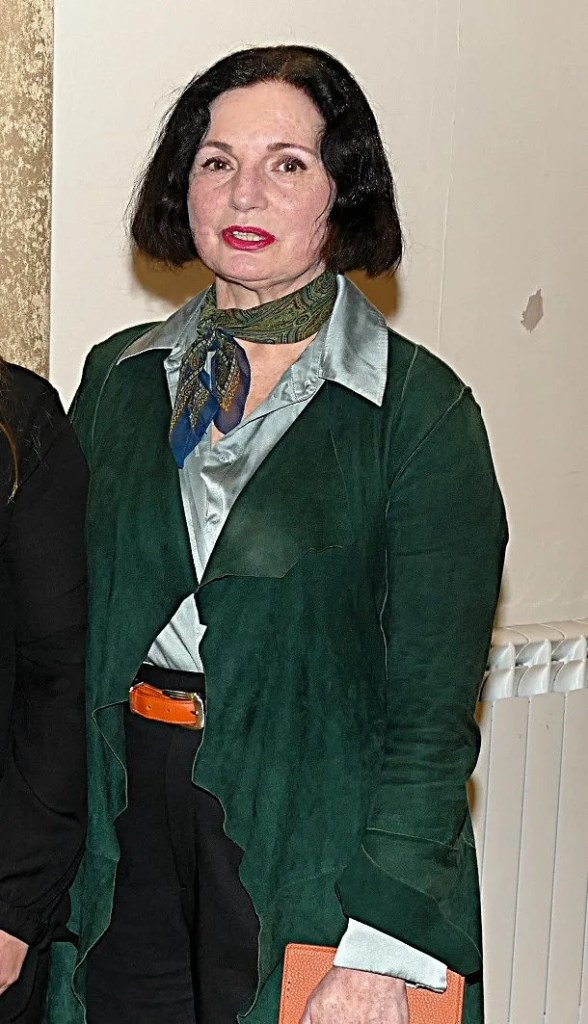
(Pictured: Jeannie Cameron, Chair, Policy & Finance Committee, States of Alderney)
They may limit the information they provide, withhold commercially sensitive details or decide that the reputational and financial risks of discussing opportunities in Alderney are too great.
The consequences could affect many areas of island life.
Aviation, housing and harbour companies invited to help address Alderney’s infrastructure and connectivity needs may need to share commercially sensitive information about possible locations, routes, designs, costs, funding arrangements and partnerships. Many ideas discussed at this exploratory stage will never become formal proposals. If preliminary information is leaked and presented as an agreed plan, it can cause unnecessary speculation, alarm residents, damage commercial negotiations and expose the organisations involved to financial or reputational harm. Companies may consequently become less willing to offer innovative solutions or engage openly with the States, restricting Alderney’s ability to attract the expertise and investment it needs. Some options will always prove unsuitable.
Companies will be less inclined to put forward creative or ambitious ideas if they believe early discussions could be disclosed before the proposals have been assessed. A premature leak could provoke opposition to an option that was never likely to proceed, create uncertainty for nearby residents or damage negotiations over land and finance.
This is why the Commissioner for Standards’ finding concerning the proposed data centre is significant. The Commissioner concluded that confidential information, or information derived from confidential States discussions, had been disclosed without authority. She also found that an undecided possibility had been presented to a member of the public as though a final decision had been made.

Although the immediate subject was a data centre, the principle applies to every organisation that may wish to work with Alderney. The concern is not confined to one project or one industry. It is about whether the States can be regarded as a dependable institution with which sensitive discussions can safely be held.
The public interest is not served when confidential information is released selectively and without context. Nor is it served when an option under consideration is described as a settled decision. That can alarm residents, distort public debate and make it more difficult for the States to obtain candid advice.
There must, of course, be a point at which proposals are explained publicly, and decisions are subjected to democratic scrutiny. Confidentiality should never be used indefinitely or as a means of concealing decisions that the community has a right to examine. But there is an important distinction between legitimate transparency and the unauthorised disclosure of information during an active exploratory process.
Responsible government requires both. It requires confidentiality while options are being tested and openness when developed proposals are ready for consideration. Individual Members cannot replace that process with their own personal judgement about what should be disclosed.
The findings concerning Mr Snowdon’s response to the standards process raise a second, equally important institutional issue. The Office of the Commissioner for Standards exists so that complaints about elected Members can be considered independently and according to agreed procedures. Such a system protects complainants, Members and the public. It ensures that allegations are assessed against evidence rather than decided through political alliances, personal loyalties or public pressure.
Members are entitled to disagree with the Commissioner’s conclusions. They can criticise a decision, challenge the operation of the Code and use the appeal procedures available to them. Independence does not mean that the Commissioner is beyond criticism.
However, a standards system cannot function if individual Members regard its authority as optional. The Commissioner found that Mr Snowdon deliberately refused to comply with an earlier outcome, declined to provide the required apologies and disclosed information relating to a complaint while the confidential process remained live.
That conduct is particularly concerning because Mr Snowdon voted for the standards arrangements when they were implemented last year. An elected Member cannot reasonably support the creation of an independent process and then reject its legitimacy when its findings go against him.

Institutions are tested not when their conclusions are welcomed, but when they are unpopular with those affected. Respecting an independent system only when it produces an agreeable result is not institutional accountability.
Undermining the Commissioner also risks deterring people from making legitimate complaints. Complainants and witnesses must be able to provide evidence without fearing that details will be circulated while an investigation is continuing. Members facing allegations are likewise entitled to a fair and confidential process until a determination is reached.
The two issues, commercial confidentiality and respect for the standards system, are closely connected. Both concern whether Alderney’s institutions can be trusted. Businesses must be able to trust the States with sensitive information. Residents must be able to trust that undecided proposals will not be misrepresented. Complainants, witnesses and Members must be able to trust the Commissioner to investigate independently.
Alderney’s size makes these protections more important, not less. Personal relationships are close, information travels quickly and reputational damage can be immediate. Strong procedures provide the discipline necessary to prevent public administration from becoming personal or arbitrary.
The Commissioner’s findings should therefore prompt more than discussion about sanctions against one Member. They should encourage the States to reinforce its confidentiality arrangements, clarify the consequences of unauthorised disclosure and establish an effective mechanism for securing compliance with standards decisions.
Alderney’s economic future depends partly on attracting organisations prepared to invest their expertise, time and money in the island. Those organisations must know that exploratory information will be protected, proposals will be described accurately, and decisions will be taken through reliable institutions.
Confidentiality, accountability and independent oversight are not bureaucratic obstacles to development. Properly observed, they are among its essential foundations.
Jeannie Cameron
Chair, Policy & Finance Committee, States of Alderney
20 August 2026
