


The Importance of Language and Cultural Connection in the Jersey Eisteddfod
This year marked a special milestone for me personally as I had the honour of introducing and judging the Romanian language competition for the first time as part of the Jersey Eisteddfod’s Modern Languages section.
This event wasn’t just about celebrating the beauty of the Romanian language, but about emphasising the importance of keeping our mother tongue alive within the diaspora, and sharing the broader benefits that come with learning and understanding a new language.
I couldn’t have organised this without the invaluable support of the teachers at the Romanian classes here in Jersey, Corina Ungurusan and Ana Maria Bodea Ivanov, whose dedication to the language and to our community is unmatched.
Their passion for teaching and commitment to the students made this event possible, and their support helped make it a true celebration of Romanian culture.
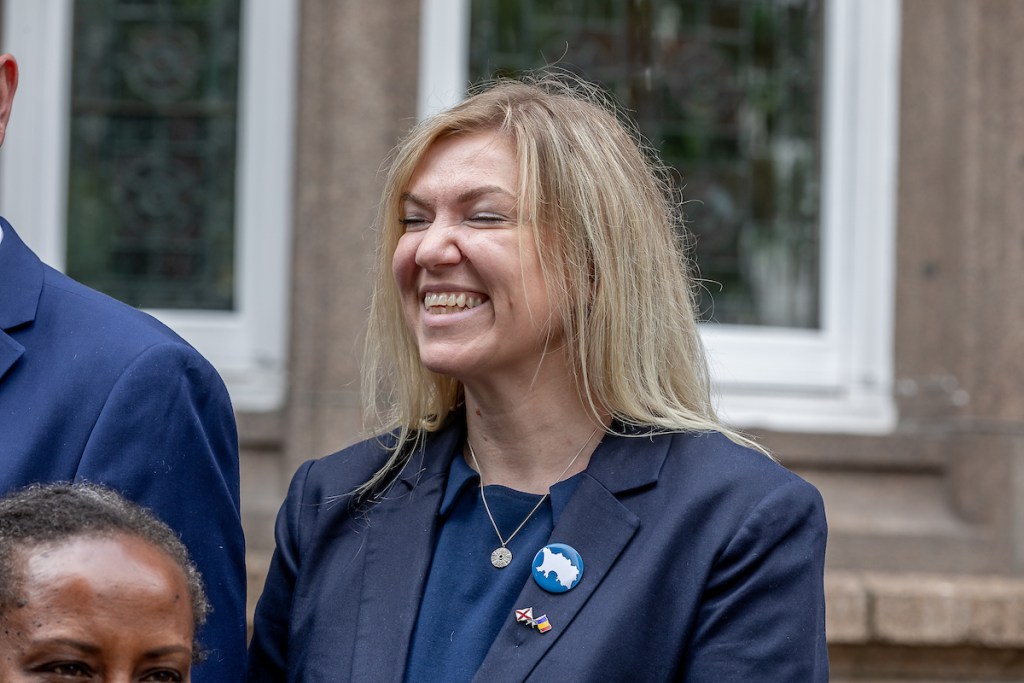
I also want to thank Mrs Conoops, the head of the Modern Languages section at the Eisteddfod, whose guidance and collaboration were essential in bringing this competition to life.
Together, we’ve created an opportunity that not only strengthens our own cultural ties but also opens doors for the wider Jersey community to engage with languages and cultures that may be unfamiliar to them.
As a member of the Romanian community in Jersey, I understand how vital it is to maintain a connection with our roots, especially in a place where we are far from home. Language, in this sense, is not just a tool for communication – it’s the thread that connects us to our culture, our family histories, and our identity.
For Romanian families, this competition was a way to celebrate that connection and encourage the younger generation to feel proud of speaking their mother tongue.
But the Romanian language competition, and any language competition present at the Eisteddfod for that matter, is not just for native speakers. It’s for everyone in Jersey who is curious about exploring another language, whether they have direct ties to it or not.
The beauty of these events is that they open doors to all kinds of cultural expression and create a space for people to connect with something new.
Learning a language, no matter which one, brings a multitude of benefits. I have mentioned that in the Assembly on couple of occasions, and I’ll repeat it: knowing another language sharpens cognitive abilities, boosts memory, and improves problem-solving skills.
Studies have shown that bilingual individuals often have better multitasking abilities and can even delay the onset of cognitive decline later in life. Furthermore, understanding a different language helps us break down cultural barriers, foster empathy, and deepen our appreciation for diversity.
For the Romanian community, and for anyone in Jersey, these competitions are an invitation to celebrate and respect our cultural diversity, but also to recognise how much we gain from being exposed to other ways of thinking and expressing ourselves.
While some may focus on language as something to be kept among “insiders,” I believe it’s an opportunity to share and build bridges with the wider community. It’s not just about learning words, but understanding the stories and histories that these words carry.
Of course, I’ve heard some unfortunate and negative comments on social media regarding the competition, and why including this language, and while it’s never easy to face criticism, especially if unjustified, I believe it’s important to address this in a way that fosters dialogue and understanding.
At the heart of it, this competition is about inclusivity – creating a space for everyone to appreciate the richness of language and culture. Jersey is a community built on diversity, and events like the Eisteddfod help to highlight the power of that diversity, whether it’s in celebrating our own mother tongues or learning something new.
Ultimately, the Romanian language competition was not just a celebration of one community, but a celebration of all communities in Jersey.
It’s an invitation to embrace the value of language and culture, and to remember that when we learn to speak another language, we’re not just learning to communicate – we’re learning to see the world in new and meaningful ways.
To conclude, I also want to mention how great it is to see migrant communities, including Romanians, really embracing, promoting, and learning about Jersey’s heritage.
It was wonderful to see a mix of different nationalities at the Jèrriais competition during the Eisteddfod, and I felt proud to see a Romanian girl win the trophy in the last few editions. My daughter also took part in the competition when she was in primary school.
What I’d love to see more of is local islanders with Jersey heritage getting more involved in using and promoting the Jèrriais language.
I hope they can feel as proud of their own heritage language as migrant communities do about their mother tongues. This will help the Jèrriais language stay visible and be preserved for future generations in Jersey.
The trophies for the Romanian language section
There were three trophies up for grabs in the for the Romanian language categories of the Eisteddfod:

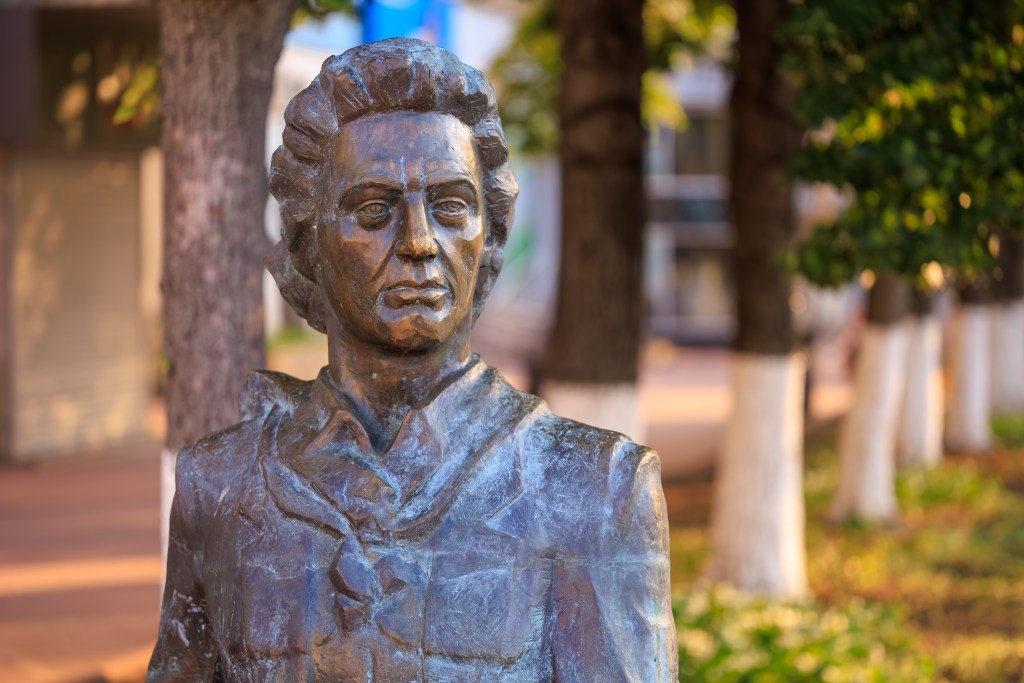

Students in Years 1 and 2 competed for the Mărțișor trophy. This, Deputy Kovacs said, is the name of a Romanian traditional festive token or brooch with a red and white string, worn the first week of March.
The trophy for pupils in Years 3 to 6 is named after Romanian poet Mihai Eminescu, who is often considered the country’s national poet.
Students in Years 7 to 11 competed for the Ana Blandiana trophy, named after a Romanian poet and social writer. Ana Blandiana was a prominent opponent of the Ceaușescu regime and has won numerous awards throughout her career.
