

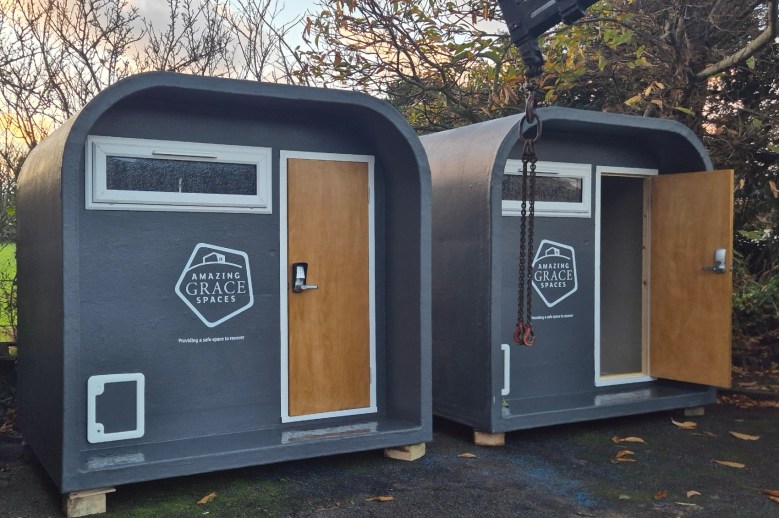
Caritas is preparing for an increase in requests to use its emergency sleeping pods as the spring and summer months arrive.
With winter lets coming to an end to make room for visitors, the charity expects some people may find themselves in need of urgent short term accommodation.
“In Guernsey’s already constrained housing market, even small shifts in availability or affordability can leave people with very limited options,” said the charity’s Chair.
This warning comes as Caritas confirms that the two emergency sleeping pods installed at the Vale Douzaine have been used for 71 nights since they opened in mid-December.
This includes during Storm Goretti in January when Guernsey Police had issued a ‘stay at home’ warning, and both sleeping pods were in use.
Caritas said its volunteers have now “seen firsthand the very real and varied pressures people face when they experience housing insecurity in Guernsey”.

The charity which brought the pods to Guernsey said this demonstrates that there is “a clear short-term need” for the emergency accommodation.
The data collated over the first three months the pods have been in use have also given Caritas a clearer idea of who needs that emergency accommodation.
Those who have accessed the pods have come from a range of challenging circumstances, said the charity – including people who had been sofa surfing, someone who had been sleeping in their car, an ex-offender leaving prison with nowhere to go, and a person experiencing accommodation difficulties linked to their employment.
Graham Merfield, Chair at Caritas said, these situations underline how quickly housing instability can arise and how varied the causes can be.
“Behind every night these pods are used is a person going through a difficult and uncertain time,” he said. “Providing somewhere safe, warm and dignified to sleep, even for a short period, can make a real difference while people work towards more stable accommodation.”

The two sleeping pods each have a bed, a chemical toilet, and a solar panel powered light and USB ports.
Anyone using the pods are legally limited to seven consecutive nights by the planning permission given to the charity, but Mr Merfield said on some occasions people who initially asked to use them were able to secure better or more permanent accommodation before needing to move in.
However, he is concerned that a summer-related increase in requests may be on the way.
“Caritas is mindful of the potential for increased pressure on emergency accommodation in the coming months, particularly as winter lets come to an end and some seasonal arrangements change or become more expensive,” he said.
“In Guernsey’s already constrained housing market, even small shifts in availability or affordability can leave people with very limited options. While it is difficult to predict the scale of any increase, the charity remains concerned that more individuals may find themselves seeking short-term support and is continuing to monitor the situation closely while working with partners to ensure help is available where possible.”
To ensure Caritas can continue supporting people through the two emergency sleeping pods, while working on its long-term plans for a community of modular temporary accommodation unites, it is supporting the second annual Big Skipton Sleep Out which is taking place this Friday.
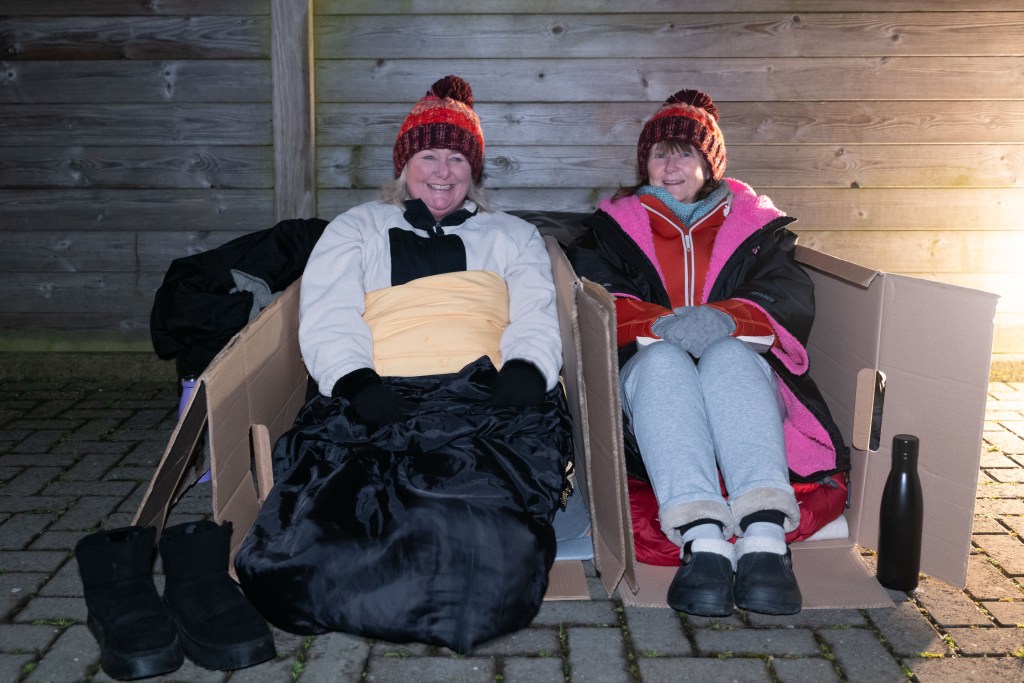
Hundreds of people are expected to take part, each paying a donation or raising sponsorship for Caritas, while raising awareness of the risk of homelessness that up to 1,000 people in Guernsey are facing.
“All contributions help Caritas continue to provide practical support and emergency accommodation to those in need,” said Mr Merfield.
“We are very grateful for the cooperation and support of the other charities and agencies in Guernsey working to address housing insecurity and homelessness,” he added. “This collaborative approach across the island has been essential in ensuring that those using the pods receive wider support and are helped towards longer-term solutions.
“The pods are not a long-term answer to homelessness, but they provide dignity, safety and breathing space at a critical moment — and that can make all the difference.”
