


A noticeable shift is occurring in how people rate their health, the latest Guernsey and Alderney Wellbeing Survey has shown.
The survey has been carried out every five years since 1988, painting a picture of the population’s diet, drug use, smoking habits and alcohol use.
Its latest incarnation for 2023 also covers issues including gambling, safety, discrimination, housing and food poverty.
More than 2,300 islanders responded to the survey.
Some key findings include:
- 24.1% had risky or high-risk drinking behaviour (26.9% in 2018);
- 9.1% were regular smokers of tobacco (13.1% in 2018);
- 11.0% regularly vaped or used e-cigarettes (5.8% in 2018);
- 11.9% had used cannabis (excluding CBD-only products) in the last 12 months (11.3% in
- 2018);
- 2.0% had used illegal drugs in the last 12 months (3.5% in 2018);
- 45.5% had one or more episodes of sunburn in the last year (73.3% of 16–24s) (44.2% in 2018);
- 17.7% had not heard of any of the signs of skin cancer (12.5% in 2018);
- 57.4% of respondents had a BMI indicating overweight or obesity
Self-rated health was assessed using the question, ‘how is your health in general?’ with response options of very good, good, fair, bad, and very bad.
In the past, respondents were more likely to rate their health as very good or good, but there has been a gradual reduction at this top end of the scale, compensated by increases in good or fair.
In 2013, the sum of the proportions rating their health as very good and good was 82.9%, by 2018 it was 75.6% and in 2023 it was 73.2%.

Two groups stand out in comparing the last five years.
Females aged 25 to 34 had a 16.8 percentage point reduction in reported level of very good health and a 14.7 increase in fair health.
Males aged 16 to 24 had a 13.7 percentage point reduction in very good health and a 13.8pp increase in good health.
Director of Public Health Dr Nicola Brink said: “We hope this comprehensive report will be of use to providers of health services, those involved in directing and making policy for our islands, and to members of the public alike.
“Some results from the survey are a cause for celebration, while others are concerning and demand a swift response.
“Responsibility for improving the health and wellbeing of islanders and the underlying factors – housing, education, employment, and so on, which create the foundations for good health needs to be shared across the whole of government.
“We hope that leaders from across the States and in the wider community will reflect on these results and consider what part they can play in improving wellbeing for islanders.”
Head of Public Health Intelligence Jenny Cataroche said: “The survey results provide a wealth of updated information across many health topics and we are so grateful to those residents of Guernsey and Alderney who took the time to complete the questionnaire. As ever, we have some results that are very positive and some, not so.”
She said that new topics which revealed encouraging results were around active travel and use of green and natural spaces.
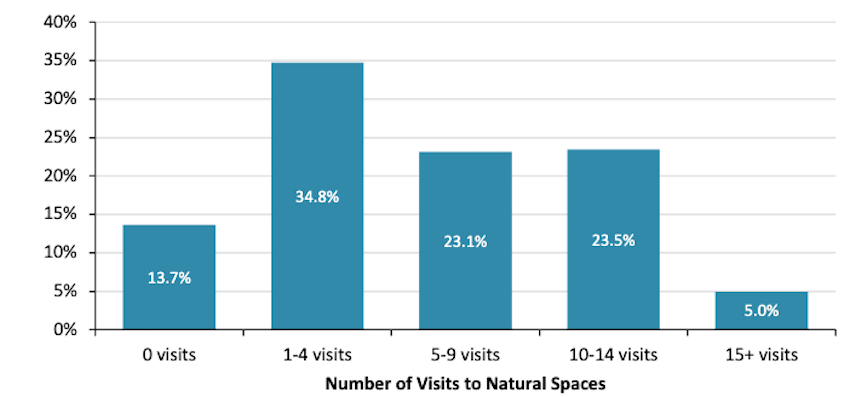
“In these areas, residents of Guernsey and Alderney seem to be far ahead of comparison areas. For instance, 77.7% of respondents had used walking or cycling for transport in the 12 months before the survey, compared to 56.9% in England.
“Active travel has huge co-benefits for health and for the environment and it is really encouraging to see that active travel is already a feasible option for many in our islands.”
