


There is no evidence to suggest that the very few cases of female genital mutilation identified in Guernsey were carried out in the island.
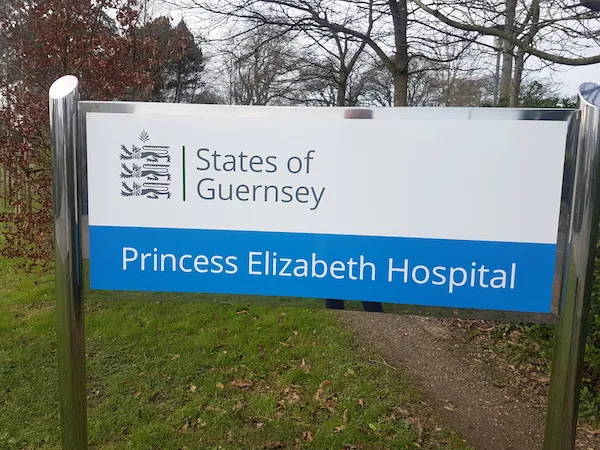
Health and Social Care recently disclosed that fewer than five cases of FGM have been identified in women living locally.
Further questions posed by Express confirmed that each of these cases were identified over the past five years.
HSC has also confirmed to Express that each of the cases identified in Guernsey over the past five years “all relate to women over the age of 18”.
A further Freedom of Information request – lodged by a third party unknown to Express – asked “in the cases where FGM have been found to be carried out in Guernsey,
was there any criminal prosecution, or proceedings going on and are there any of the
children involved still in the care of the people that mutilated them?”

Acknowledging its commitment to patient confidentiality, HSC confirmed the situation, saying that it has “no evidence of female genital mutilation being carried out in Guernsey”.
“As previously confirmed, Health and Social Care staff have encountered a limited number (<5) instances of female genital mutilation,” it said.
“The Committee for Health & Social care is committed to its duty of confidentiality and will not provide any further details, with the exception of confirming that all cases relate to women over the age of 18 in the past five years.”
Female genital mutilation is defined by the Oxford dictionary as “the practice, traditional in some cultures, of partially or totally removing the external genitalia of girls and young women for non-medical reasons”.
FGM is illegal in many countries, but currently it is not defined as illegal in Guernsey.
That is likely to change in the near future, after the Committee for Home Affairs included FGM in updated domestic abuse legislation that will come back to the next States to be ratified.
The Committee for Home Affairs has previously said this will then make it easier for any future cases of FGM to be investigated locally.
“The specific offence of FGM does not currently exist in the Bailiwick. However, FGM is traumatic and violent act for the victim and can cause harm in many ways and if reported, this type of crime would be investigated under another offence such as wounding, grievous bodily harm or sexual assault, for example. There would need to be a manual review of records to identify the specific details of these offences to determine whether any would have constituted FGM, this would require the diversion of a significant amount of resource.
“The Committee for Home Affairs has sought to address this gap in legislation and the Assembly approved the relevant policy letter for Domestic Abuse and Sexual Offences Legal Reform in March.
“If anyone has any concerns for themselves or others in relation to FGM then Home Affairs and the Police would encourage individuals to report the matter either directly to the Police or the Sexual Assault Referral Centre at Willow House or anonymously via Crimestoppers. You can also seek support from a medical professional or Victim Support and Witness Service.”
