


Green washing has been a term many will have become familiar with over the past few years.
It essentially means to use the public’s desire for a focus on protecting our climate, our habitats and the native species that use them, in order to plump up a reputation.
When La Grande Mare began development, through to the recent launch of the Golf Performance Centre, those involved with the redevelopment spoke of a focus on the environmental impact, on reusability and sustainability.
The cynics amongst us, and there are plenty within the Bailiwick, put this down to a morally correct, but marketing based ploy. Something to present a good image, to make up for bad actions.
So is that the case? Has La Grande Mare tried to ‘green wash’, or is the effort sincere?
After Express learned that the team taking on the launch of a ‘World Class Country Club’ included a professionally qualified and experienced ecologist, we decided to sit down, and find out.
Sustainability
The most immediate messaging from La Grande Mare on the impact of the environment came in the form of reusability and recycling, plus a large helping of local co-operation.
“The GPC has introduced a comprehensive Environmental & Sustainability Policy that encompasses both the GPC and the golf course, with a policy centred on environmental stewardship, efficient resource use, and active community engagement,” said Grace Dovey, the club’s Ecologist & Sustainability Operations Officer.
She expanded on that by stating: “A notable example is the introduction of Guernsey Seaweed hand soap across all departments, even in the ‘Family Office’. Sustainability is further promoted through innovative waste reduction initiatives. Coffee grounds are repurposed for composting, and takeaway cups have been eliminated from operations.”
The work for the sake of the west coast of Guernsey’s wildlife goes even further, leading to an influx of different species, from those native to Guernsey, to the migratory species that visit the island.
Sightings
“2025 has been a record year for dragonflies and damselflies, with 12 species identified this year,” Ms Dovey said, adding that since 2021 “19 species of butterfly have been recorded on site”, “seven bat species have been recorded”, and a “total of 100 bird species has been recorded since 2021”.
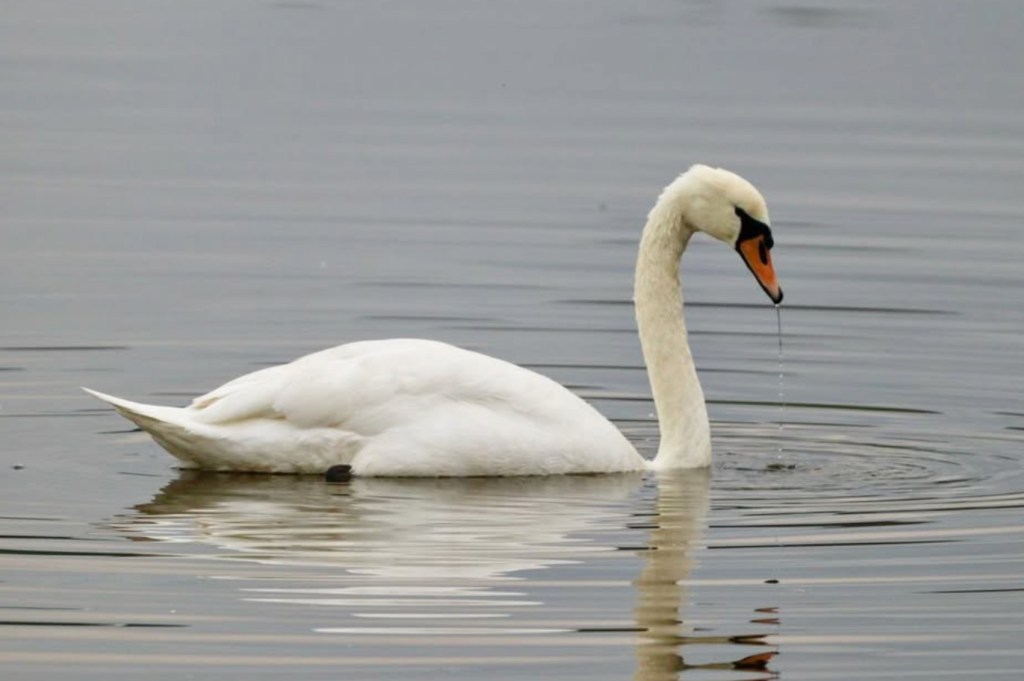
Pictured: Ms Dovey has been cataloguing the visiting and native species, through her Instagram, @conservationgrace_ (Image by Grace Dovey). 
Pictured: Ms Dovey has been cataloguing the visiting and native species, through her Instagram, @conservationgrace_ (Image by Grace Dovey). 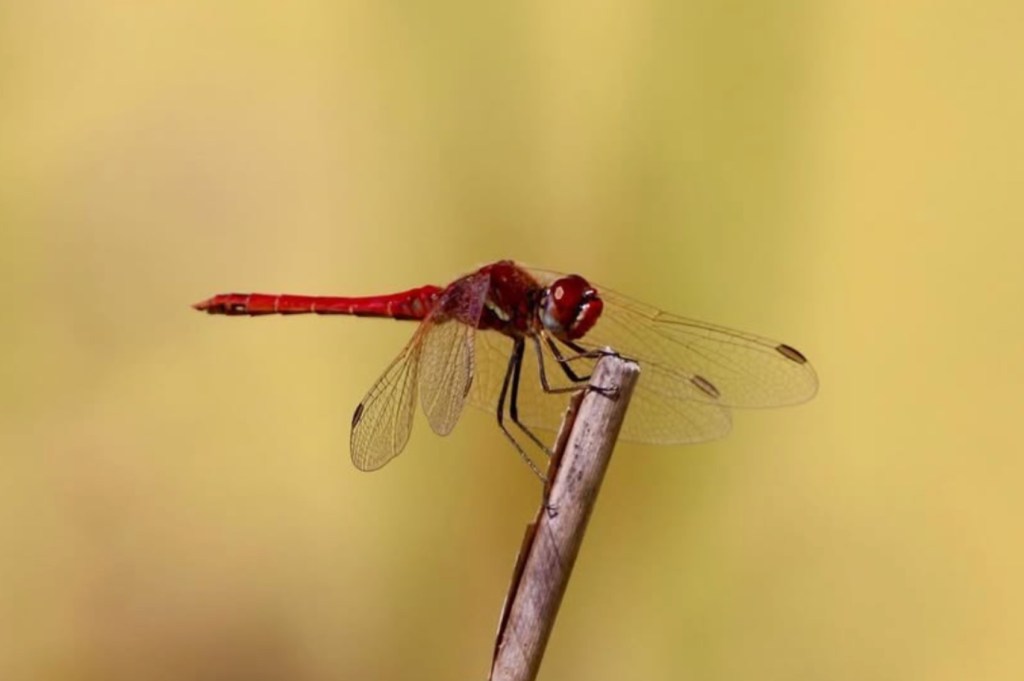
Pictured: Ms Dovey has been cataloguing the visiting and native species, through her Instagram, @conservationgrace_ (Image by Grace Dovey).
In fact Ms Dovey confirmed that there’s even been a rare sighting or two.
“In September 2024, La Grande Mare recorded the first-ever sighting of the Lesser Yellowlegs, a bird all the way from North America, in the Channel Islands, observed one of our newly created wetlands.”
Meanwhile, another partnership proving a point for La Grande Mare see’s the team working with a beloved local non-profit, aiming to save Guernsey’s pollinators.
“Our partnership with the Pollinator Project is central to enhancing biodiversity at La Grande Mare,” said Ms Dovey.
“Together, we conduct invertebrate surveys and manage habitats to support key pollinator species, including bees, butterflies, and dragonflies. This collaborative effort has a direct impact on the health and diversity of the local ecosystem.”
Biodiversity
If insects, birds, migratory species, pollinators and wet lands don’t paint the picture of somewhere green, vibrant and a home to life, then the effort of planting trees certainly does.
More than 1,500 trees have been planted including a diverse mix of native and site-adapted species, more than 1,700 hedging plants, again a mixture of native and non-native species, have found a home on the site.
There’s more to come too, with another 1,600+ trees and hedging plants in production, propagated from local seed on site, and 750 ornamental plants salvaged from the old hotel have been reused.
Actions are meant to be the proof, with the famous phrase putting their weight above words, but when taking a glimpse at how La Grande Mare is interacting with its local environment, it’s clear that an effort is being made – such as aligning its own goals with the island’s eco-plan.
Ms Dovey said: “Careful consideration has been given to ensure that every initiative aligns closely with Guernsey’s Strategy for Nature goals.
“This approach guarantees that our management practices not only address the ecological needs of each habitat and species but also contribute meaningfully to broader conservation objectives set out for the island.”
They’re aligned with several golf orientated organisations, including England Golf, The R&A, and the GEO Sustainable Golf Foundation, to ensure those sustainability standards are upheld.

La Grande Mare are using some cutting edge technology to push their eco-protecting focus too, including “eDNA sampling” which through testing, allows researchers, conservationists and scientists to see what exactly makes up the biodiversity of the tested habitat.
“We’re currently eDNA testing the various wetland habitats we have, as I’m sure there are Smooth Newts there!
“So, we’re working with the States Analytical Laboratory using advanced techniques such as environmental DNA (eDNA) sampling using qPCR and sequencing. We are using it to detect species including Smooth Newt. Next year we will be looking to do further work in looking at what freshwater fish species are on site.”
Golf
So with state of the art tech, the latest techniques and a real push to prioritise the critters and creatures that call the west coast site their home, Ms Dovey was asked if having an expert in the environment is normal for a golf club, and that as part of her industry, is it a normal job to have been able to undertake?
“It’s not, places sometimes have a conservationist or expert come out, to do the work and conduct the tests.”
She added that the push to prioritise the local environment has come from the owner, Stephen Lansdown.
“It comes from the top-down, Steve is very passionate about the sustainability side, and that filters down through to the culture of the club. It’s something that is very important to him.”
You can stay up to date with Ms Dovey’s conservation efforts at La Grande Mare through her Instagram, which you can view online HERE.
