


Days after Guernsey Coastguard urged mariners to carry a beacon whenever they are at sea, another rescue mission has proved the importance of such kit.
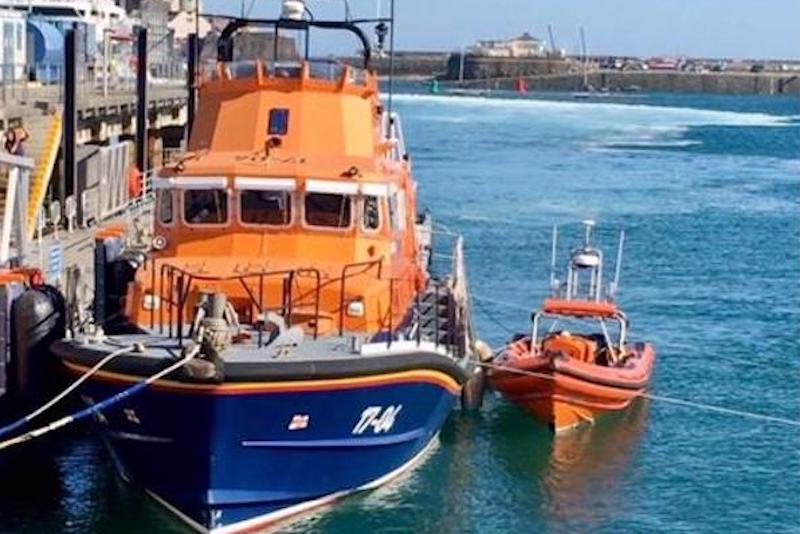
The St Peter Port Lifeboat crew were called out yesterday tea time after a boat travelling from Guernsey to Jersey had broken down with four people on board.
The captain had called 999, and said he was unsure of his location and didn’t have a working GPS or VHF radio. His mobile phone was running low on power, although he thought he could see Sark, he wasn’t sure.
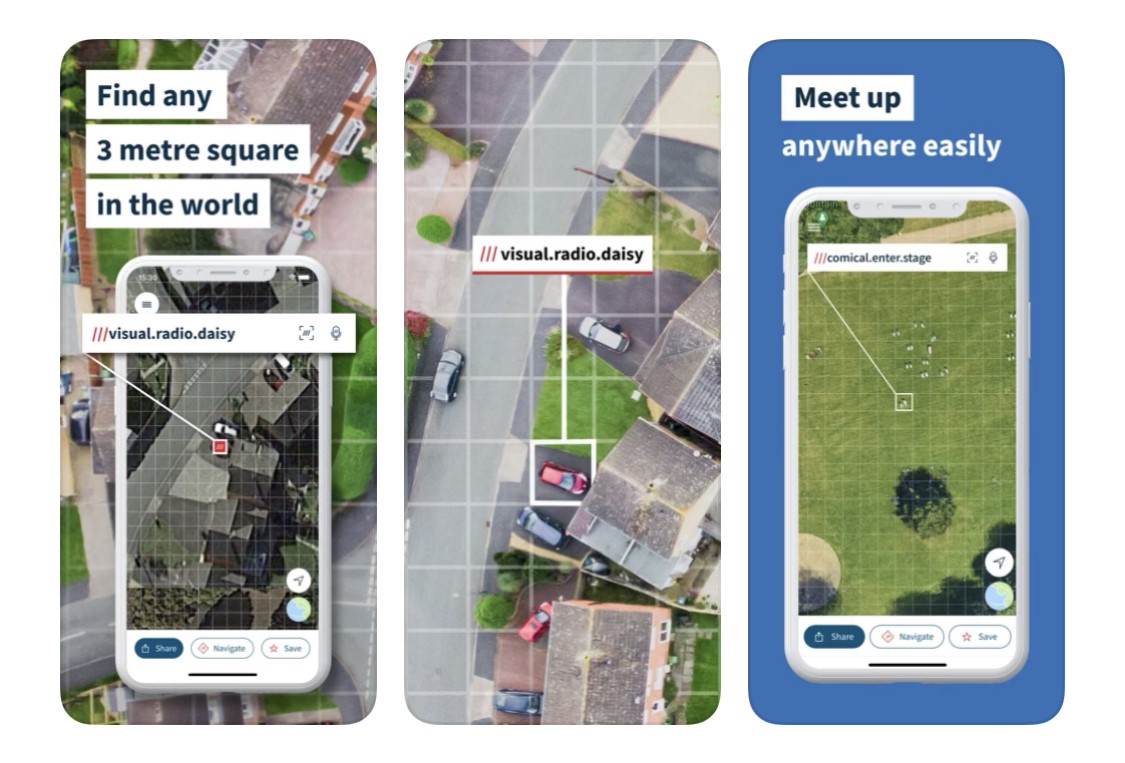
The boat’s location was confirmed using the What3Words app with Guernsey Coastguard asking the lifeboat crew to tow the boat back into St Peter Port Harbour.
The rescue took around two and a half hours in total, with Search Mission Coordinator Simon Granger saying the lifeboat crew played a crucial part.
“This was a successful search and rescue mission,” he said.
“The incident highlights the importance of maintaining your vessel in a good state of mechanical repair and having on board correctly working navigation and VHF radio equipment.
“In addition, the benefits of the what3words app was proven again as an accurate way to pinpoint position not only on land but also in coastal areas. Once again we would like to thank the St Peter Port Lifeboat crew for their assistance”
Mr Granger had recently spoken out about the importance of carrying Emergency Position Indicating Radio Beacons after the kit played a critical role in another recent rescue.
On Good Friday, Guernsey Coastguard received a faint Mayday call from a sailor, whose onboard navigation equipment had all failed, leaving him disoriented in poor weather conditions.
Mr Granger said the sailor had a registered PLB, which he was able to activate. This gave the Coastguard his location and the St Peter Port Lifeboat and Channel Islands Air Search were dispatched to find and rescue him.
“When you get into trouble at sea, every moment counts. Being able to locate a casualty quickly and accurately can make all the difference, particularly in challenging weather conditions or a life-threatening situation.
“An EPIRB or PLB works independently of other onboard equipment, so on this occasion, the casualty was able to transmit their position despite only having a weak radio signal and no navigation equipment.
“Having a PLB saved time on what could have become a long and protracted search, which depending on your circumstances, could make all the difference in a rescue mission.”
Channel Islands Air Search Accountable Manager John Fitzgerald reiterated this message at the time too.
“For Air Search, the use of a PLB makes locating a casualty more effective,” he said. “We have the advantage of height over the water, and our systems have a much greater chance of picking up the signal from the beacon.”
Emergency Position Indicating Radio Beacons
EPIRBs are vessel specific devices which can be automatically or manually activated by anyone in distress, transmitting their vessel’s position to Coastguard agencies by satellite.
PLBs are personal, handheld devices that can be worn on a lifejacket or clothing. They are manually activated and can raise the alarm both on land and at sea.
These emergency beacons also provide emergency services with other information registered to the device such as vessel name and type, owner name, contact details, and next of kin, all of which can help locate someone in distress at sea.
In addition to having an EPIRB or PLB, Guernsey Coastguard said it is very important to make sure your device is registered online with the correct details.
People are also reminded to check the batteries are in working order. It is suggested that batteries are replaced in accordance with the manufacturer’s instructions, to ensure the beacon is in working order should you need to use it.
Make sure you keep your registration up to date to ensure search and rescue teams can find you in an emergency.
