

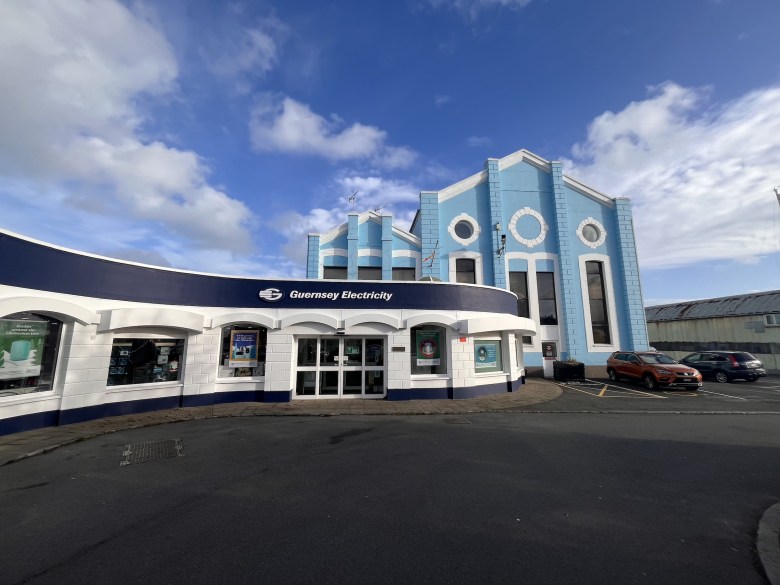
Guernsey Electricity (GEL) is considering a major change to one of the island’s biggest infrastructure projects – a second undersea electricity cable to France.
Previously, the plan – which the States approved in 2023 – was to lay a second cable directly to France, to provide additional capacity as well as a backup to the current one, which comes via Jersey.
Now GEL is exploring the idea of a second cable to Jersey instead.
The firms says changing circumstances have created a “credible alternative” to the option set out in the 2023 Electricity Strategy, with a connection through the existing Channel Islands Electricity Grid (CIEG) network now being explored.
States-backed route under review
The Electricity Strategy identified a direct subsea connection to France as the preferred pathway for a second interconnector, which would provide Guernsey with a separate way to import low-carbon electricity from Europe.
However, the strategy also required alternative options to be examined.
According to GEL, two developments since the strategy was approved have significantly altered the picture.
The first involves the ageing ‘Normandie 2’ cable linking Jersey and France.
The cable is now expected to require replacement before 2030, meaning specialist cable manufacturing and installation work will already be taking place in the Channel Islands.
GEL believes combining that work with a second connection serving Guernsey could generate substantial construction efficiencies and reduce project costs.
The second is increased capacity within the French network. GEL says more power may now be available through the existing grid than previously thought, creating the possibility of delivering greater supply to Guernsey through the existing CIEG infrastructure.
Together, those changes have created what the company describes as a “credible option” for further interconnection through the existing network.
Why a second cable matters
The project remains central to Guernsey’s long-term energy plans.
Today, around 92% of the island’s electricity demand is met through the existing interconnector network, with most power imported from Europe and the remainder generated at the Vale Power Station.
In 2025, imported electricity supplied nearly 92% of Guernsey’s needs.
While the current system has transformed Guernsey’s power supply by providing lower-carbon imported electricity, it still relies heavily on a single route.
When demand peaks or imports are unavailable, GEL must turn to expensive and inefficient fossil-fuel generation at its Vale power station.
A second interconnector would provide additional resilience, reduce dependence on on-island fossil fuel generation, help meet rising demand and support the island’s decarbonisation ambitions.
It would also ease pressure on GEL to replace ageing generators in the short term, potentially allowing more flexibility in how the power station is modernised in the future.
Earlier delivery possible
GEL’s annual report suggests the Jersey option could offer practical advantages over a direct connection to France.
The company says a route via Jersey could be delivered sooner, make use of existing infrastructure and provide both additional capacity and improved security of supply.
It says the direct-France route remains under consideration but acknowledges that it would be more complex and expensive to deliver.
Technical work is already under way, including route engineering studies, environmental assessments and seabed surveys linked to existing and future interconnector routes.
However, islanders should not expect construction to start any time soon.
Decision still years away
GEL says the business case for further interconnection will be presented to the States Trading Supervisory Board, with funding proposals then needing approval from the States.
Initial decisions on enabling work such as route engineering and cable design will follow, but the company says a final investment decision is not expected until 2028 after all necessary permissions and funding arrangements have been secured.
CEO Alan Bates described a second cable as one of the most important infrastructure decisions facing the island.
“Interconnection underpins the island’s energy resilience, provides low-cost electricity and supports the provision of local renewable generation,” he said.
For now, the key question is no longer whether Guernsey needs a second cable, but which route will provide the best balance of cost, resilience and long-term energy security. The answer could ultimately differ from the path originally favoured by the States.
