

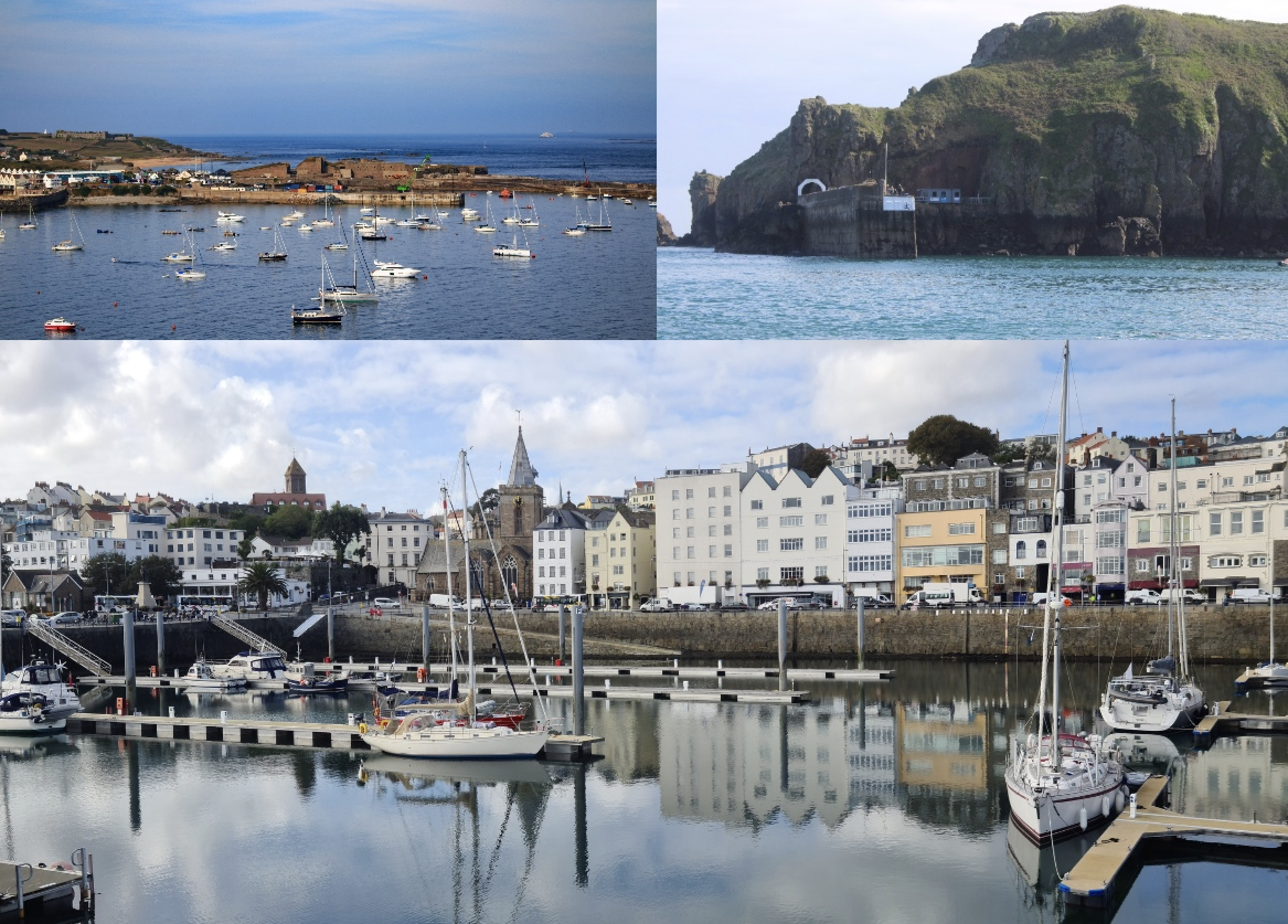
The new ‘Bailiwick Commission’ will call on expert advisers from across Guernsey, Alderney, and Sark – but the bulk of the work will be done by people who are not affiliated with any of the islands.
Deputy Lindsay de Sausmarez has responded to criticism of the Commission, after the members were announced last week.
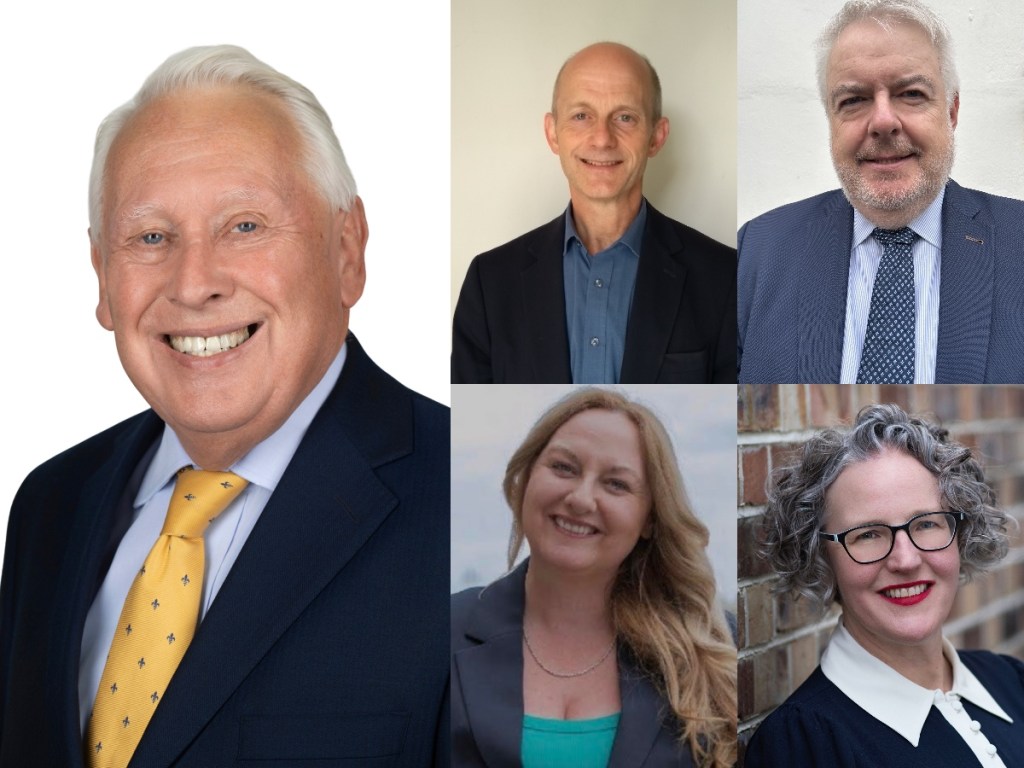
They are Sir Robert Neill KC (Chair), Dr Lisa Cameron, Lord Carwyn Jones, Professor Caroline Morris, and Philip Rycroft.
Between them they have experience as the UK MP for Local Government, in devolved administrations, as a Professor in Constitutional Law, and more widely working within the UK civil service.
Together they’ve been appointed to conduct a “comprehensive review of the constitutional, economic and working relationships” between the islands of our Bailiwick.
That work is expected to take up to 18 months, with a budget of £500,000, and the ultimate aim of working out how “the Bailiwick can best meet the challenges and opportunities of the 21st century”.
The Commission also has to consider “how to maintain the independence and unique characteristics of each island and for the Bailiwick as a whole”.
When it was announced last Friday who had been appointed to the Commission, criticism was almost immediate with some questioning why local constitutional experts had not been appointed.
Deputy Jayne Ozanne was among those who questioned “the lack of anyone with on-island experience, particularly in government” saying that “notwithstanding their exemplary professional experience, both in UK politics and constitutional affairs, I think it was very short sighted to have no one who has ever lived or worked in the islands”.
“History shows us that we don’t tend to take kindly to ‘Brits’ (as they will be perceived) telling us what to do… in my mind it’s akin to the optics of Americans/Canadians/ Europeans discussing the future of Greenland, without any Greenlanders present,” she said.
“Secondly, the Commission is not just undertaking an academic exercise but one that needs to work practically and culturally. Without someone on the Commission who truly understands our islands’ nuances/differences, particularly of our unique parliamenentary systems, it’s going to be hard to see how we can ensure that any ‘solutions’ proposed are workable.
“I think it’s a great shame that no one with island life experience was appointed. I can think of several who would have held the respect of all islands, even if they no longer (in some cases) live here.”

The Policy and Resources President said the Bailiwick Commission was always intended to be entirely independent of the islands though.
“This approach is what was agreed by the States of Deliberation when it was debated last year,” she explained. “The two policy letters regarding the Commission’s establishment explained that a constitutional commission is a form of review by an external party, undertaken by an independent panel.
“It is explicit in the Commission’s terms of reference that local expert advisers can be engaged (and no doubt will be), in addition to the dialogue with all three communities that will be central to the Commission’s work,” she added. “However, it is important that the Commissioners themselves are not affiliated with any of the islands to avoid the perception of bias that could undermine their independence and credibility.”
Deputy de Sausamarez said any of her colleagues who weren’t in the previous States that agreed the terms of reference for the Commission can attend a briefing next week.
She said they can ask any questions about its constitution then too. Anyone else with concerns can also find out more, she promised, adding that people with relevant experience that may help the Commission in its work will be very useful
“It was agreed by the islands that the Commissioners should be impartial regarding the state of the inter-island relationships, and to look at future relationships. To achieve this, a fresh and external perspective would be required – especially as it is likely that there would not be a fair balance of local experts from all three islands to draw from.

“It is this independence that will provide objectivity and credibility to the Commission’s work, and their work will be very much informed by local knowledge. We warmly encourage members of the public, businesses and organisations to engage with the Commission to ensure all the relevant local perspectives are fully reflected in the work. As well as submissions by people in the three communities themselves, the Commission’s terms of reference state that ‘Expert Advisers may be appointed by the Commission to provide evidence, analysis and advice in specialist areas’. The Commission will make recommendations to the three lead Committees to then consider and decide how to take forward. These recommendations will be advisory and not binding. Any proposed reforms will need to be made with the consent of the States of Guernsey, States of Alderney and Chief Pleas of Sark.
“The role of a Constitutional Commission is totally different from a consultant relationship. Unlike a consultant, the Commission has a constitution that ensures impartiality and objectivity from the governments involved and the issues at hand and operates in accordance with its terms of reference. Using consultants would not have been at all appropriate to work with the three islands’ communities to explore their future constitutional relationships, and would have been significantly more expensive, and for those reasons the use of consultants was never proposed.”
