

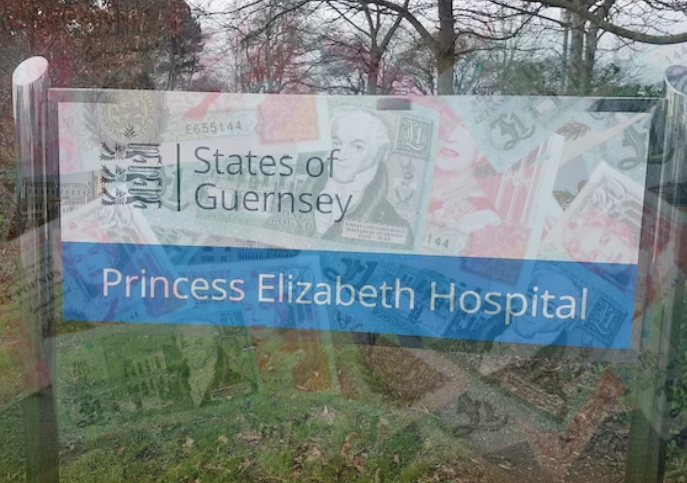
Scrapping the plans to modernise Guernsey’s hospital has contributed to health bills climbing by around £5 million a year, according to the committee in charge of health.
Ahead of this year’s Budget debate, Health and Social Care (HSC) published its work plan for 2026-29, which set out its desire to “modernise” and “strengthen” health services while ensuring we all “have access to high-quality health and care services now and in the future”.
Failing to do so would mean HSC continuing to face costs rising above its annual allocated budget, it said.
Continuing to provide services in the same way is financially unsustainable, with underlying pressures increasing by approximately £5 million a year.
health and social care
Long-term funding changes won’t be decided this week – with a review of health services not expected to give any indication of what a new delivery plan will look like before next year.
Instead, this week deputies will decide how much money HSC and the other States committees will have to work with next year.
HSC’s budget could rise to £270.6m next year, up from £265m this year, depending on what the States decide over the coming days.
Despite having the largest slice of the States’ entire spending pie, HSC says its budget is still not enough to work with long term, warning that its costs are rising by around £5m every year.
We don’t yet know if HSC has stayed within its budget for this year – but we do know it usually goes over budget with a £3.4m overspend in 2025, £6m over in 2024, and £4m in 2023.

HSC said the continuing overspends and the rising demand for services bring into “sharp focus the need to find a more sustainable way of longer-term budget-setting for health and social care which acknowledges these challenges”.
It warns that many health and social care costs are fixed while others are dependent on clinical needs with services needing to be able to respond as demand arises, “which makes budgeting difficult”.
In an effort to keep expenditure within reasonable control, the planned modernisation of the Princess Elizabeth Hospital has been halted.
Phase 2 of the plan was going to deliver four new operating theatres, and three refurbished theatres, alongside the new intensive care and recovery unit that has been built, but still hasn’t opened.
With costs escalating dramatically, HSC pulled the plug on Phase 2 of the hospital plans.
That decision has saved the States from spending hundreds of millions of pounds in the long term, but has left it facing higher bills in the short term anyway.

If HSC had gone ahead with Phase 2 of the Hospital Modernisation plans, it would have committed Guernsey to spending nearly £300m on the new operating theatres with increased surgical capacity, modern maternity facilities, and supporting infrastructure.
Nearly £40m has already been spent on Phase 1 of the plans, with the opening date for the new Intensive Care Unit now pushed back until at least autumn 2027.
HSC said that while the modernisation programme has been halted, the Committee does not see the money as wasted.
“The work completed has generated valuable evidence and analysis that will continue to inform future health and care development on the PEH site,” it said.
With a sustainable health and care system the main focus of the HSC work plan, the Committee said: “Future decisions on hospital infrastructure will therefore need to be considered alongside broader reforms aimed at developing a sustainable health and care system that can continue to meet the needs of our community over the long term”.
“Current projections indicate that continuing to provide services in the same way is financially unsustainable, with underlying pressures increasing by approximately £5 million per year.
“Going forwards, the Committee will consider options for a number of smaller, more targeted and impactive projects which will deliver better value for money while also addressing the increasing pressures in certain parts of health and social care services.”
