

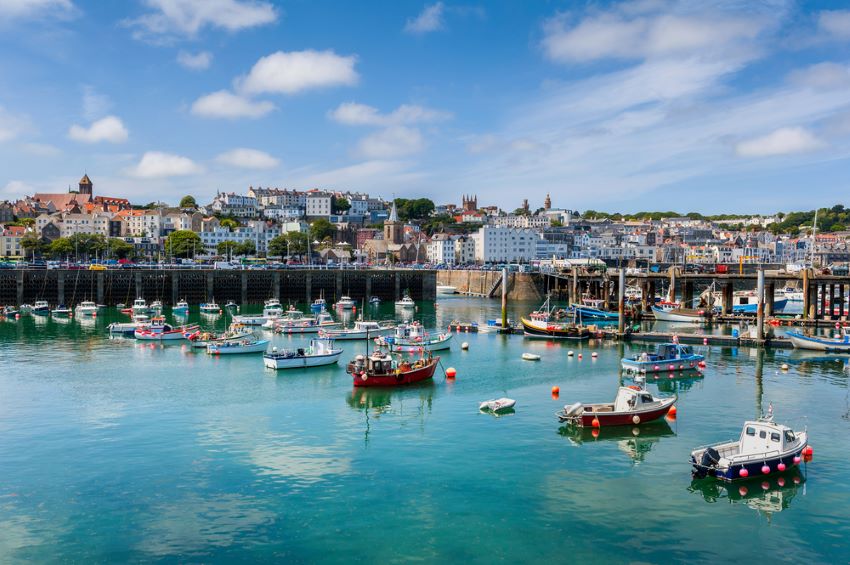
The GBA was launched in the mid-1920s with the objective of providing a platform for local boaters and to “foster and watch over the interests of any of its members in connection with boating”.
An annual subscription then would be 12½ pence today.
The founder president was Advocate Harold Randell who served an impressive 18-years in the post. But his presidency length was dwarfed by R John Torode who held the position from 1977 to 2002.
In the early days it was heavily involved in passenger transport for Herm and agreements for the islands harbour infrastructure.
The Association was rudderless during the Occupation as the Nazis banned pleasure boating due to security fears and tight controls on fuel.
That level of disruption wasn’t to be replicated again until the covid pandemic hit and government restrictions brought an end to pleasure boating, visiting yachts, or trips from the island to other countries for a few years.
“All of this was to have a dramatic and damaging effect on the local marine industry,” the GBA said.
Despite those gaps, there is much to remember the Association by as the leisure boating industry went from niche to ubiquitous.
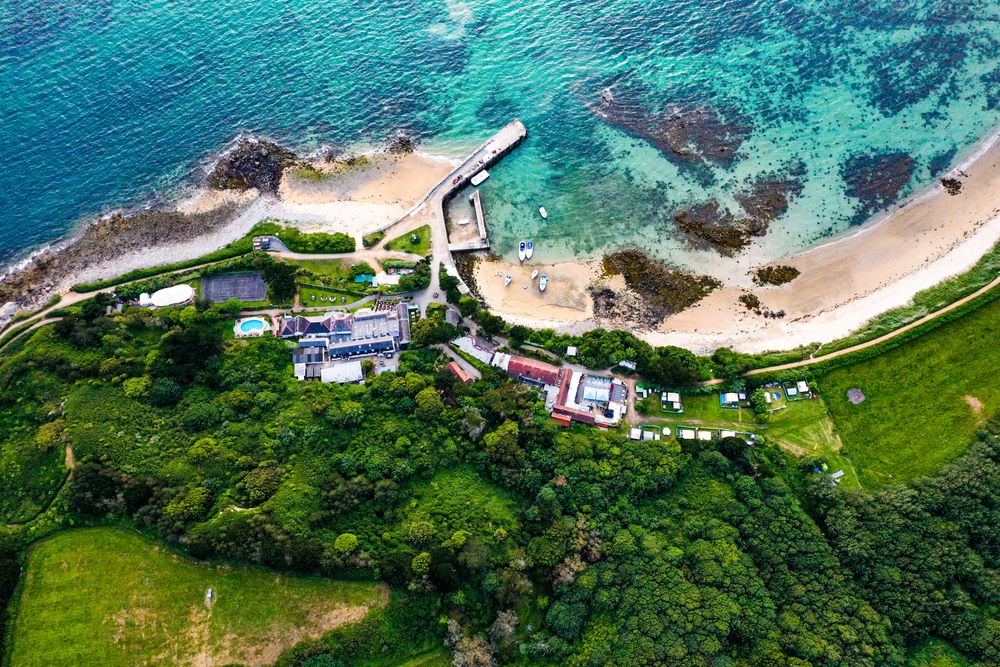
Pictured: The GBA had an important role with Herm from the outset.
The States of Guernsey have called on the GBA throughout its existence to help with civic events, starting with water carnivals to celebrate the Silver Jubilee of King George V in 1935, and then two years later the coronation of George VI.
Queen Elizabeth II was also marked with boating events throughout her reign, including on her visit in 1957 where the royal boat was escorted from St Martins point to town.
It later held an illuminated boat display in July 1981, and another was held for the 40th Liberation Day celebrations.
The Town Carnival was treated to more illuminations in 1995.
Events expanded in the 90s with a boat show at the Carlton Hotel which proved so successful it sparked a series of shows throughout the decade in association with the Marine Traders Association.
While the Association has worked with the States, it has also worked to pressure the government to improve safety standards and key infrastructure for all mariners.
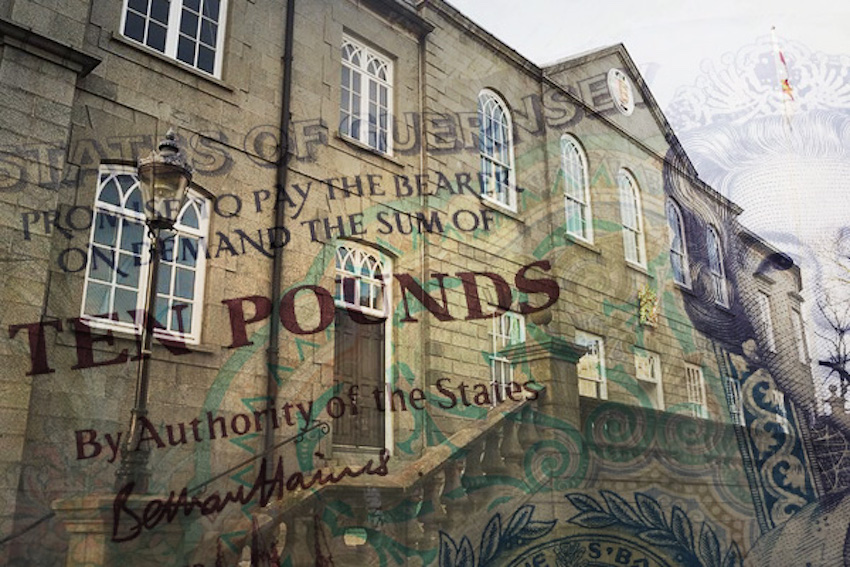
Pictured: It’s also worked as a conduit between members and the States of Guernsey.
The GBA worked with yacht clubs early on to find missing navigation aids, address slippery ladders and weed covered piers, and remove dangerous boulders from shorelines.
Beacons had been removed or displaced during the Occupation and other parts of infrastructure had been neglected as the war came to an end with Guernsey largely cut off and struggling.
Issues continued for two years after the German surrender and Liberation, but the States gradually attended to boaters’ concerns.
By 1959 many members were concerned with the lack of mooring space around the island as demand grew, a story which continues to this day.
However the following decades saw progress, and with 200 people awaiting moorings in 1973 the Victoria Marina, now used primarily for visitors, was opened. Plans were quickly drawn up and agreed to develop the much larger Albert Marina which opened five years after.
By 1980 a major redevelopment of North Beach was planned to bolster the harbour and reclaim land which could house a marina dwarfing those already existing. The GBA was supportive throughout as demand remained strong.
After much deliberation the QEII marina was opened in 1987, with an official ceremony led by Her Majesty herself two years later.
Lobbying for improvements continued even considering the major development of the blue economy to better cater for members’ needs. Reserved parking areas, for a fee, around the island’s marinas were introduced in 1993, which extended to new marinas, such as St Sampsons which opened in 2005.

Pictured: St Sampsons marina was the last major development for local boaters.
The GBA raised serious concerns with plans to dock cruise ship tenders on a new pontoon off Albert Pier, warning it was an accident waiting to happen, but the project proceeded regardless and has proved successful so far, notwithstanding the long queues on busy days.
By 2021 an ambitious overhaul of all of Guernsey commercial, passenger, fuel and marina infrastructure was put forward including the construction of a new port at Longue Hougue South or an expansion of town’s harbour to the east.
The GBA threw its support behind the latter, as well as highlighting the many benefits of creating a marina in the pool of the harbour.
These projects have now been handed over to the fledgling Guernsey Development Agency, which operates at arms length from the States.
The GBA remains highly interested in the developments as the waiting list for moorings still stands in the hundreds, and harbour congestion has been continually noted as an issue.
“Looking back over the past 100 years, none of our existing marinas or even the 1850’s construction of St Peter Port harbour evolved without considerable debate. In fact it took nearly 25 years for the States to agree on that project,” it said.
“But our forefathers and politicians did succeed in achieving the development of our current facilities so now it’s up to all of us to encourage our future statesmen to do likewise.
“Meanwhile some things haven’t changed. There’s still a waiting list for moorings (currently 200+), access for loading and unloading passengers and equipment, plus parking and security for boat owners around the marinas is a concern for the future. The setting up of the new Development Agency and any plans for the seafront will no doubt come up for discussion.
“Remember, approximately 25% of the annual harbour income is generated by leisure boat owners, so we do have a strong influence and collectively we can make a difference.”
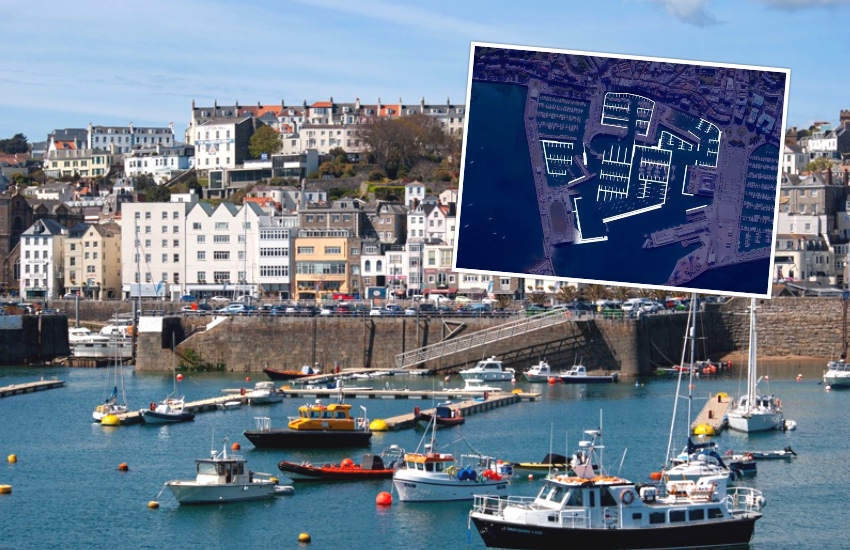
Pictured: All eyes now are on the future of facilities at St Peter Port.
The Association also had its part to play in a disaster in local waters. When the Orion oil rig came loose from its tugs and beached off the west coast, debris started to float to shore.
The GBA collected scraps from an associated lifeboat and sold them at auction to raise funds for the RNLI.
The Association also made moves to look after its own potential disaster. In 1995 it established the GBA benevolent fund to ensure accidents for boaters and their dependents could be assisted. As personal insurance grew over the years the fund has evolved into a donation point to contribute towards serious incidents in and around our territorial waters.
In October it will celebrate the centenary with an end-of-season dinner at the Peninsula with details to be circulated soon. It will also issue a new commemorative burgee which can be flown from members’ vessels.
READ MORE…
Boaters called to continue traditions and develop the future
