

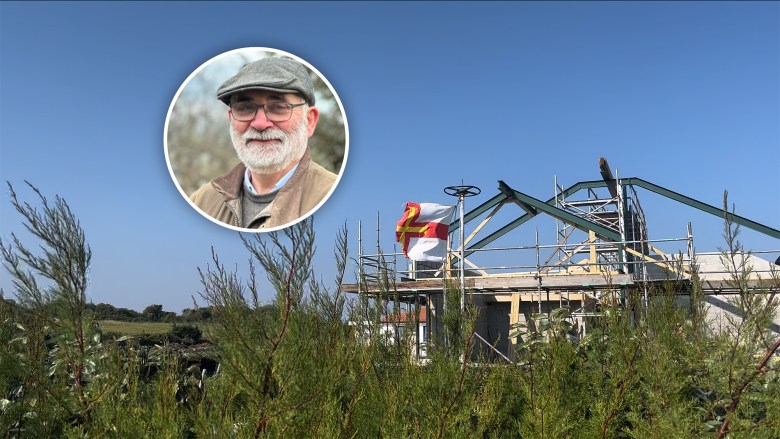
A charity is calling on the States to introduce a ‘Nature Protection Law’, to preserve the island’s environment for future generations.
The National Trust of Guernsey said the proposed law would prevent “unforeseen consequences” of short-term planning decisions and could be modelled on similar laws in Jersey and the UK.
The Trust’s Chair, Mike Brown, told Express one of the main areas that needed addressing was building regulations.
The island needed more housing, he said, but it should be built in a way that had “the minimum impact on our environment”.
“Development is needed, but it should be done appropriately and in the right place – and it should be the right sort of development.”
Deputy Adrian Gabriel, President of Environment and Infrastructure, told Express the committee was considering a “comprehensive piece of wildlife legislation” this term, with work due to start next year.
However, he acknowledged the National Trust’s frustration as “the introduction of wildlife legislation was first discussed by the States in 2015”.
Holistic approach
While there was existing legislation in place, such as the newly-introduced animal welfare rules and regulations about building on greenfield sites, Mr Brown said it was important to have a more “holistic” approach.
“We need a totally-integrated policy where we avoid the unforeseen consequences of one decision impacting something else,” he said.
An “overarching Nature Protection Law” would look at “the whole environment, land usage, development, and make sure it’s all integrated”, he added.
How many times do you see small fishermen’s cottages being demolished in place of large houses that are unaffordable?
Mike Brown
Mr Brown said there was a “chronic shortage of small units of accommodation”, but property developers often prioritised large, luxury houses as they were more profitable.
“How many times do you drive around the island, particularly on the West Coast, and see small fishermen’s cottages being demolished to be replaced by very large houses that are never going to be affordable for the average person in Guernsey?”

Mr Brown said it was also important to create legal definitions of terms like “biodiversity net gain” (BNG) – a planning principle where developers have to leave wildlife and habitats better than before.
Planners could commit to BNG, Mr Brown said: “But what does that mean? It means different things to different people.”
One developer might choose to “put in a pond – but does that completely offset everything else that’s happened?”, he said.
Unlike in England, where developers have to demonstrate biodiversity improvements will last at least 30 years, there was also “no procedure to make sure that in six years’ time, the pond is still there”.
Likewise, trees may get planted, but could be “felled in the future”, he said.
In England and Wales, there have been complaints that BNG had made things more “challenging” for developers.
However, Mr Brown said he did not think that would happen here.
“It doesn’t reduce the number of houses,” he said, “It says houses should be built sympathetically with nature.”
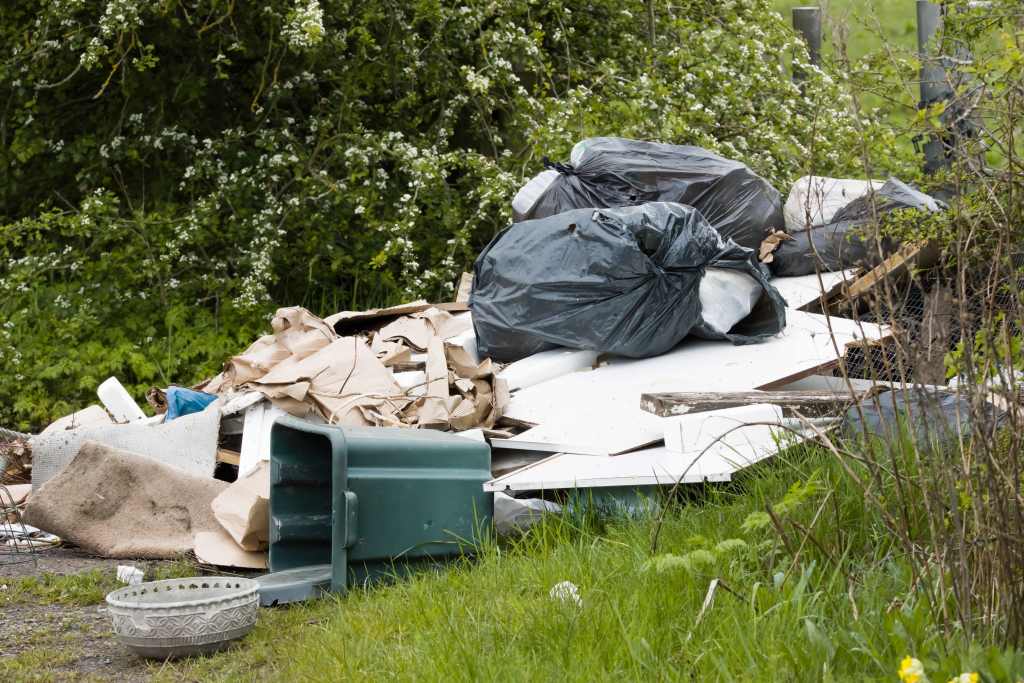
Other areas the proposed law could look at would be tightening rules about planting “non‑indigenous species” and using chemical pesticides.
He said: “We need to look at our environment and be aware of the consequences of our actions.
“We shouldn’t litter, we shouldn’t fly-tip, all these things impact on the nature.”
Future generations
Mr Brown said: “When I was a teenager on the island, it was absolutely idyllic, but I’m talking a long time ago.
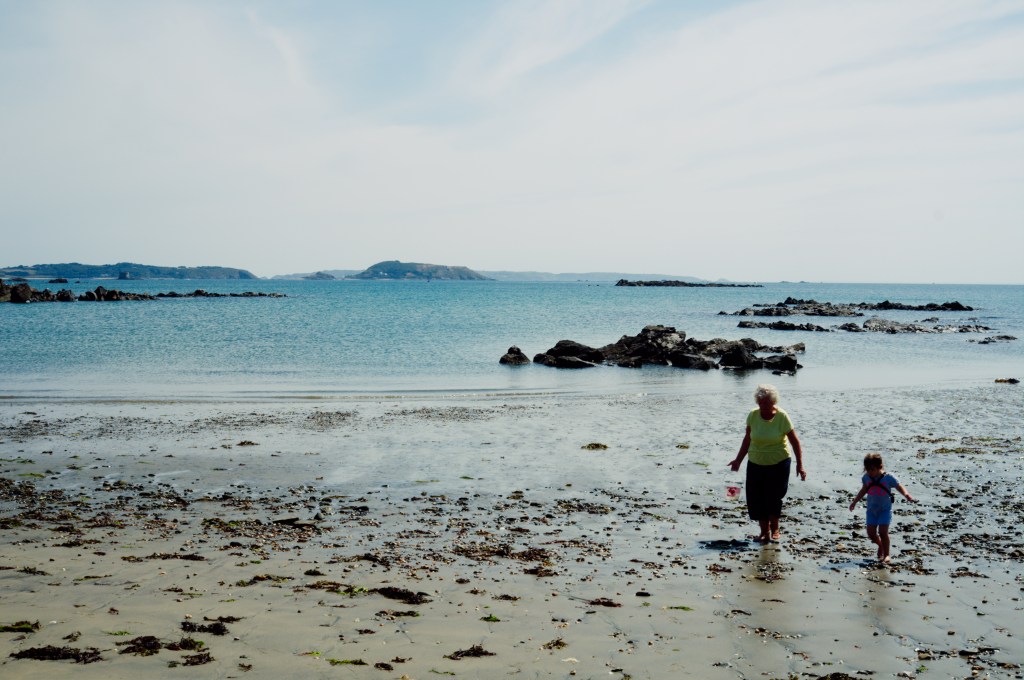
“Now, I want my grandchildren to be able to enjoy the island that I enjoyed – and the natural environment is the key to that.”
Mr Brown said biodiversity and natural beauty were among “the big selling points of this island”.
“If we lose that, why will tourists come here?” he asked.
Complex legislation
Deputy Gabriel said E&I had “prioritised consideration of both a comprehensive piece of wildlife legislation and a framework for ‘Biodiversity Net Gain’ this term with work on both due to begin next year”.
He said: “We agree with the need for increased protection for the natural environment at a recent meeting with the National Trust.
“But the introduction of legislation will be complex and is only one of the tools available to my Committee and other parts of the States to address the concerns they have raised.
Deputy Gabriel said E&I had “supported the work of the Nature Commission” in recent years and had extended the Convention of Biological Diversity to Guernsey.
This highlighted Guernsey’s “contribution to global ecological targets and introduced support for our Dairy sector to help deliver environmental benefits”.
He said E&I was “supportive of the potential increase in Areas of Biodiversity Importance that is proposed in the Island Development Plan review, and I welcome the DPA President’s recent comments in the States about his intention to balance the needs of housing and the environment through the Authority’s work”.
