


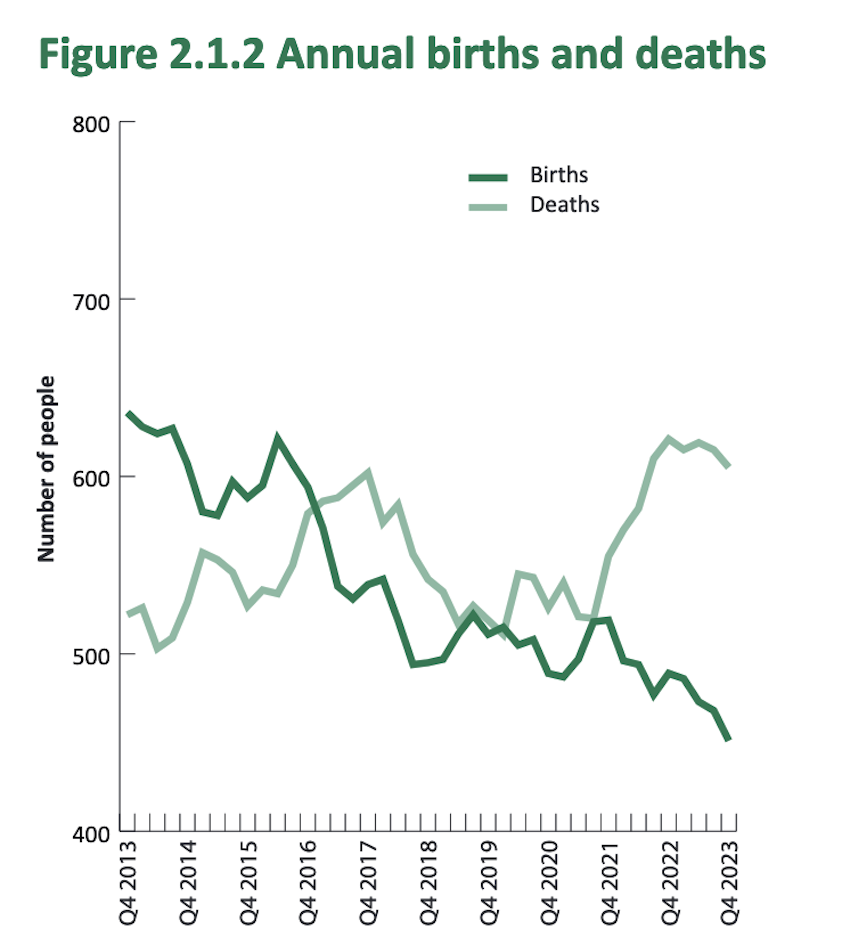
The latest data also shows how birth rates are continuing to decline, now down some 30% in the last decade alone.
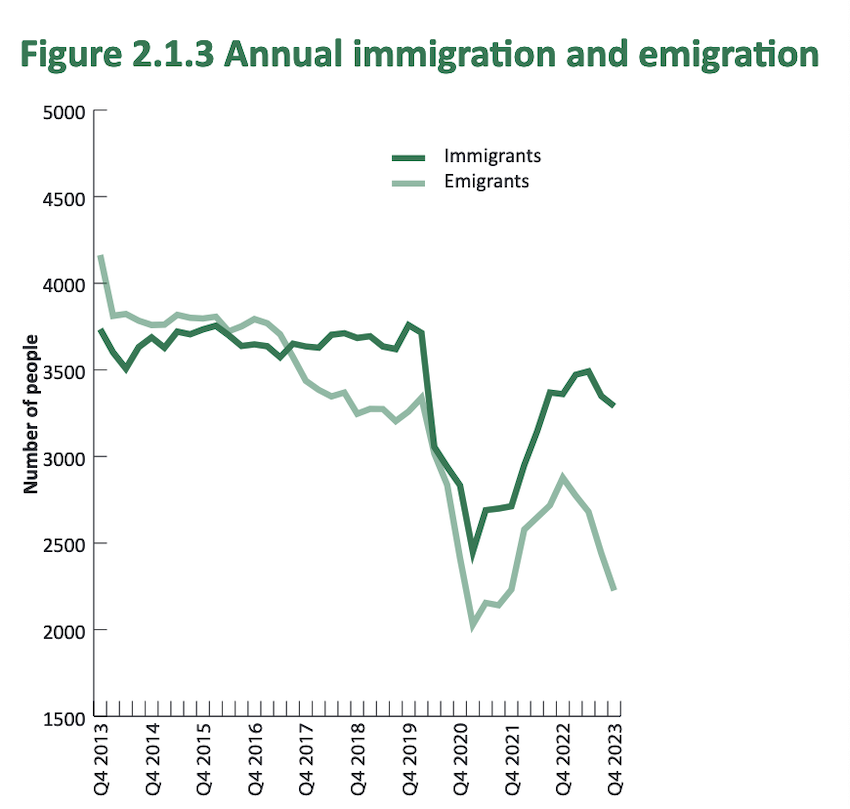
In 2023, 3,290 people moved to the island while 2,226 people left, a net migration figure of 1,064.
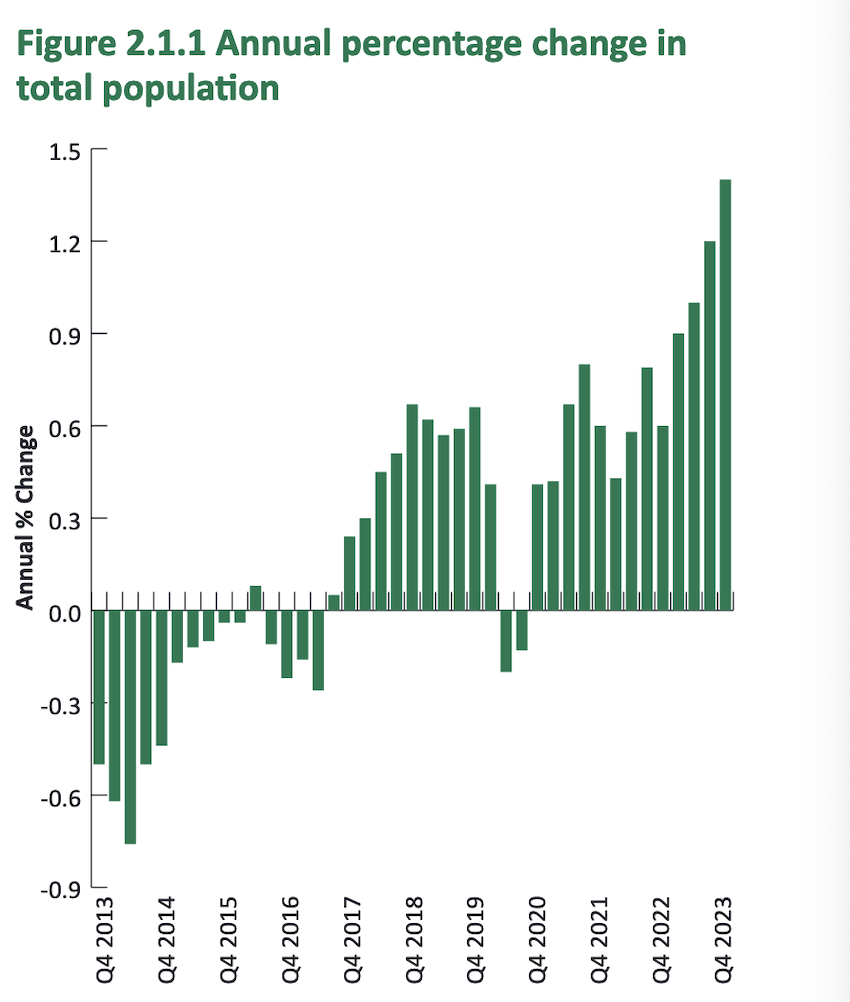
This is more than double the annual change at the end of 2022, which was 483 and 2021, which was 481.
Net migration has outpaced the States population policy in every quarter since it was agreed in October 2022.
That assumes for planning service and infrastructure provision that net migration would average up to 300 a year over the next 30 years.
Total numbers for immigration and emigration have been much higher in the past.
Ten years ago the number of people leaving topped 4,100, with immigration running at around 3,750.
Guernsey’s declining birth rate is mirroring trend in England and Wales, which this week reported 591,072 babies were born, fewer than any year since 1977.
That has been attributed to younger people not having babies because of work and financial pressures.
There were 451 babies born in 2023, compared to 489 in 2022 and 519 in 2021. The number was around 630 in 2013.
With 605 deaths, there was a natural population fall of 154.
Guernsey’s working age population rose by 2.2% to 41,882 while there was a slight fall in those of pension age to 84 years old, down 0.3% to 11,105.
The annual increase in those aged over 85 was 1,965, or 5.8%.
