

People in Guernsey with some forms of lymphoma and leukaemia are being offered the chance to support research in Southampton through a pioneering new study.
Led by Professor of Haematology and Haematology Consultant at the University of Southampton Francesco Forconi, the study aims to bring computer science and medicine together to explore and define the characteristics of tumour cells and help clinicians better diagnose and predict the outcomes for patients.
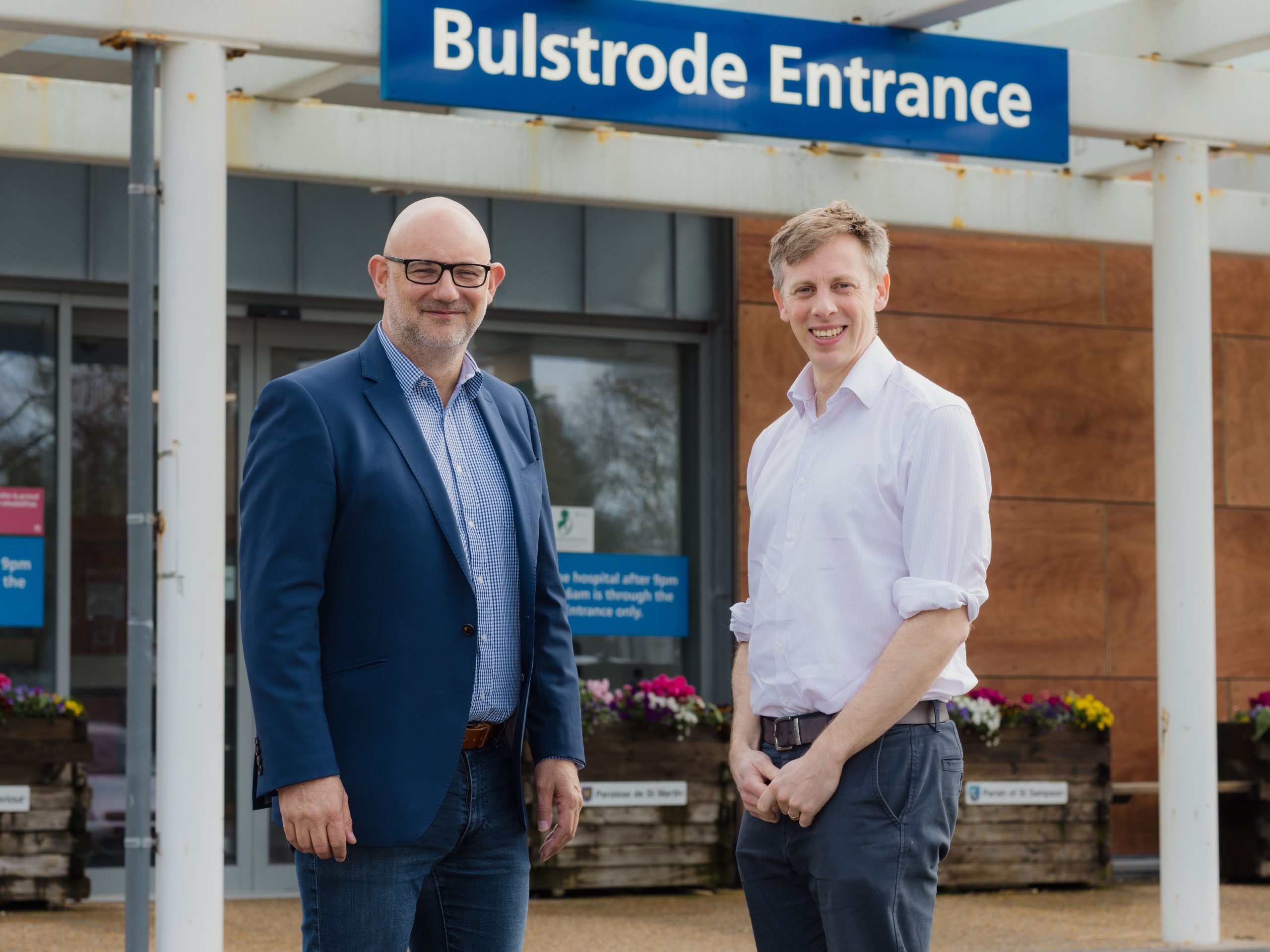
David Dutton (pictured top), Haematology Consultant and Senior Clinical Lecturer at the University Hospital Southampton, and Principal Investigator for the study in Guernsey, said: “We are really pleased to now be able to bring patient samples from Guernsey to Southampton. The samples are crucial to helping us understand this disease, refining patient diagnoses, improving our predictive power, and ultimately enhancing patient care.”
A generous gift to the University of Southampton from the Business Beats Cancer Guernsey (BBCG) campaign will be used to support the trial.
Neale Jehan (pictured top), who leads the BBCG campaign for CRUK Guernsey, said this work could add to existing successful research carried out by doctors in Southampton.
“Guernsey residents have played an important role in the groundbreaking research taking place in Southampton over the years and many of our residents have been treated by Southampton clinicians. Giving researchers access to a larger population of patient samples is imperative to moving research forward and discovering new ways to treat disease so we were only too happy to be able to support this new study that opens a pathway to take patient samples from the Island to Southampton to be part of cancer research.”
The study will use the data from nearly 2,000 samples, including people from Guernsey, to develop a ‘self-trained’ computer-based new BCR-driven risk score.
The team will focus on a specific protein of the BCR complex called surface immunoglobulin M. The researchers will use the amount of this present on B cells, and how well it can send signals within these cells, to generate the score.
Professor Forconi added: “Thanks to the invaluable contribution of Dr Dutton to extend the study in the Channel Islands. Bringing data and computer science together with medicine promises to revolutionise the current ‘watch and wait’ approach, providing a more personalised and efficient care pathway. This will prioritise patient well-being and optimise medical resource allocation. We have been able to establish the Guernsey arm of the study through the generous donation from Business Beats Cancer and for that, we are truly grateful.”
Any patients in Guernsey who want to take part in the study should email Professor Francesco Forconi at f.forconi@soton.ac.uk for more details.
