


A man sentenced to a total of eight years in prison for a series of “wicked and depraved offences”, including secretly filming people in their own homes, has been given permission to appeal the length of part of his sentence.
Kirk Geoff Bishop (40) recorded more than 130 images and videos of three women and one man from inside their homes – including while they were engaged in sexual activity, while they were naked, and in the shower.
Bishop also pleaded guilty to trespass and one associated count of burglary for stealing black underwear from a woman.
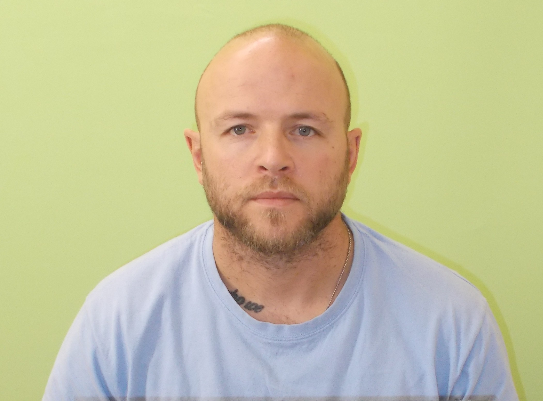
In sentencing Bishop in May, Lieutenant-Bailiff Russell Finch OBE said his “bizarre” crimes were “both unusual and unpleasant”, leaving a “serious and understandable” impact on his victims.
Lieutenant-Bailiff Finch said Bishop left “a dirty and unpleasant snail-like trail” in his wake.
The courts heard victims described themselves as being “angry”, “embarrassed”, and “constantly on edge” as a result of Bishop’s crimes.
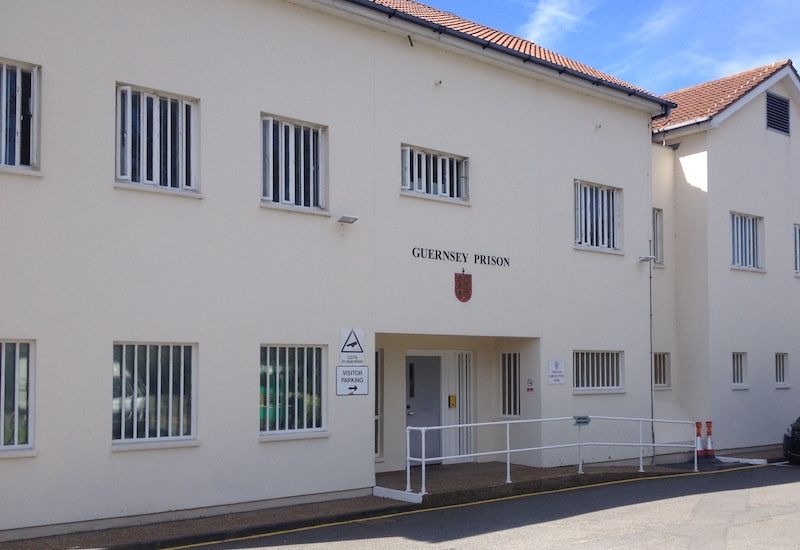
Bishop’s total sentence of eight years was made up of six years for trespass and burglary offences, given by the Royal Court, and a further two years for the voyeurism offences, handed down by the Magistrates Court.
Bishop has now been told he can appeal the length of the six year sentence given by the Royal Court.
An application to the Court of Appeal earlier this month saw Bishop’s Defence Advocate Sam Steel argue that he should have been given a greater discount when being sentenced by the Royal Court, because he had (a) cooperated with the police investigation, (b) pleaded guilty at the earliest opportunity, and (c) the sentence was disproportionate when compared with the guidelines for taking indecent images of children
The Right Honourable Dame Julia Macur presided over the application hearing, and she has granted Bishop leave to appeal against the six year sentence on the grounds that insufficient credit was given for his cooperation and early guilty pleas.
She described any comparison between Bishop’s offending and crimes involving indecent images of children as “unhelpful and unrealistic”.

In her written judgment Dame Macur explained that she considered sentencing guidelines in English court cases, and what local guidelines are available, in deciding to allow Bishop to appeal his sentence.
Dame Macur acknowledged that “there were several aggravating features in this case”, including the number of different victims, the repetition of offences against some of the victims, the time frame of offending, and the recording of images.
“The harm caused in each case was significant. A starting point of 8 years’ immediate imprisonment in respect of all the indictable offences is not arguably “disproportionate” and may be regarded by some as merciful,” she said.
However, she also considered that “the relevant part of the Royal Court’s sentencing remarks …. is somewhat awkwardly expressed”.
“That is, it is not clear what, if any, reduction from the starting point of 8 years was attributable to the available mitigation and accordingly, it is impossible to assess what credit was allowed for the early guilty pleas.”
In conclusion she decided: “I grant leave to appeal the sentence of 6 years’ imprisonment on grounds (a) and (b). It will be for the full Court to determine whether, if these arguments do succeed, the extent of any reduction to be made renders the overall sentence of 6 years manifestly excessive.”
