


A new campaign to tackle poor school attendance is being rolled out across Guernsey and Alderney.
The States launched ‘Attendance Matters’ on Monday, ahead of the new academic year, with a new website offering advice and support for families, as well as banners displayed around schools and in local communities.
Education leaders say attendance has become an increasing challenge since the Covid pandemic, with the first few weeks of term often setting patterns that can last the rest of the school year.
Nick Hynes, Director of Education, said the campaign was designed to help children develop positive attendance habits from the outset.
“What we want to do is really set those strong positive attitudes and habits at the beginning of the school year,” he said.
“When those are set at the beginning of the school year, there’s a much higher probability that they will attend well and be more successful for the rest of the school year.”

The campaign will also include guidance for parents, improved signposting to support services and closer working between education, health and family support teams.
Mr Hynes said the evidence showed consistent attendance was about far more than academic achievement.
“When children don’t attend, even for what appears to be a small part of the day or year, it can have quite negative impacts on their outcomes, not just at an academic level, but also socially and emotionally.”
When missed days add up
Mr Hynes said even seemingly small amounts of absence could build into significant lost learning over time.
“If you’re attending for 80% of the time, which might sound quite a lot, actually over the period of a whole secondary school lifetime that’s the equivalent of not attending for a year,” said Mr Hynes.
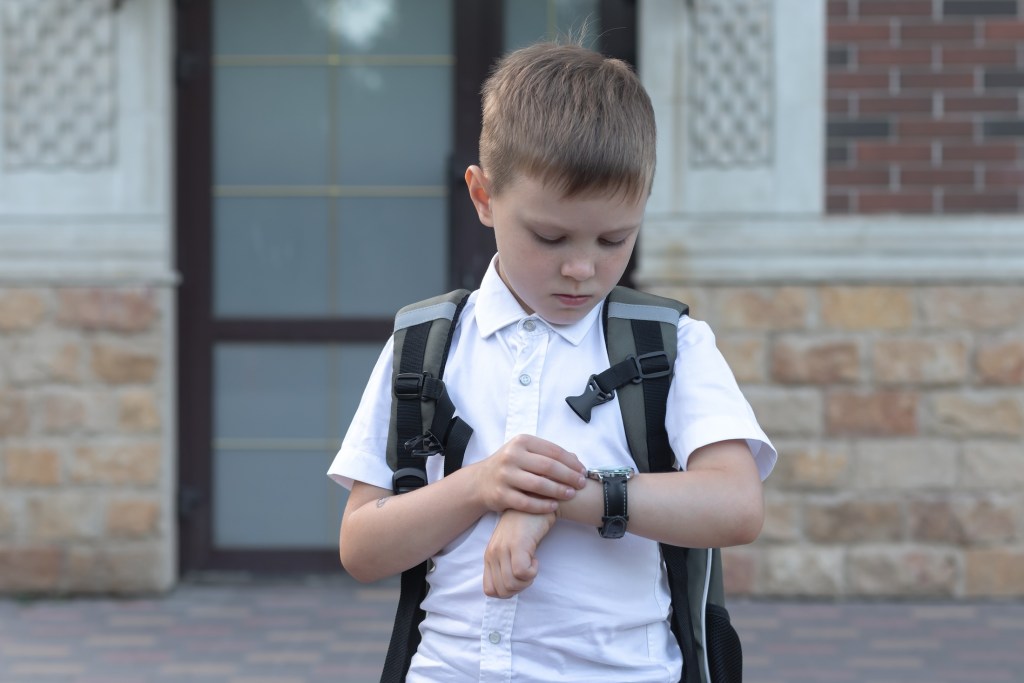
He said persistent lateness also had a cumulative effect, with 15 minutes missed each day adding up to around two weeks of lost learning over the course of a school year.
“That’s not just about outcomes for children with regard to academics, it also means they miss out on a whole variety of different things and friendship groups.”
‘This is about partnership’
The campaign follows a year of work by a School Attendance Working Group bringing together headteachers, principals, teachers and education staff to better understand the reasons behind absence and identify ways of tackling it.
Mr Hynes stressed that the initiative was intended to support families rather than blame them.
“This is about working in partnership with parents rather than looking to blame parents for non-attendance,” he said.
“We know that when a parent has a child who is not attending it can be really difficult, it can be stressful, it can be really challenging.”
He urged parents to seek help early if they notice attendance beginning to slip.
“Non-attendance can quickly become a habit and we want to make sure that it doesn’t become a habit and that we can help break that habit early on with the support of parents.”
He added: “If your child is finding it difficult to attend, reaching out and having that discussion with ourselves will really help us support them.”
