

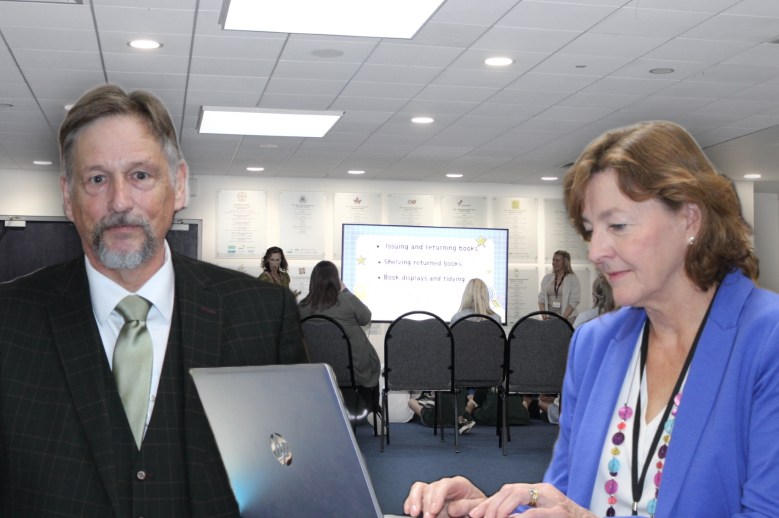
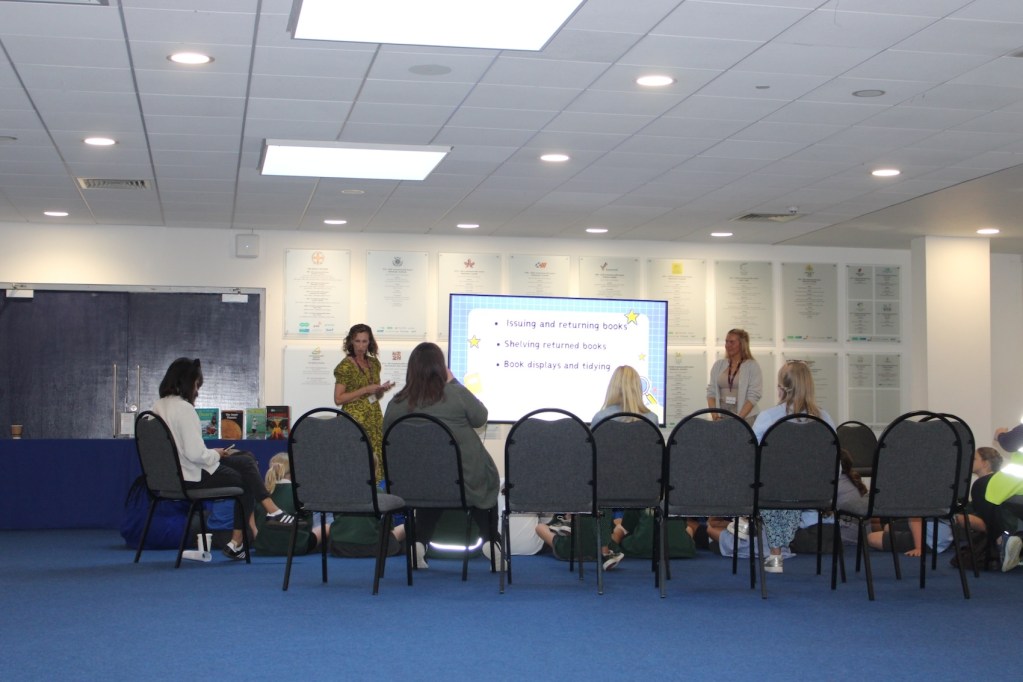
More than 100 students attended a specialist “training day” aiming to help mould them into “tomorrow’s leaders”.
Pupils took part in workshops led by various partners, including the Guernsey Sports Commission, the Guille-Allès Library and sponsors, PwC, as well as Digital Education Officers.
Victor Lane, the Education Officer for digital learning technology, says the day of training and tutelage, held on Friday, was aimed at removing the “magic” from new technologys, and giving students the confidence to use them properly.
“Sometimes children see a new digital technology, and kind of assume that it’s magic and it can do everything,” he said.
“It’s important everybody recognises the limitations of it. What it’s good at, what it’s not good at.”
Mr Lane added that it’s not just helping to build skills in these budding technologies, but also assists in developing team skills, and interpersonal skills.
“It’s all about team building and teamwork, because a lot of things that we do in school, quite rightly, are focused on individual progress,” he said. “For a team of people, whether they’re library leaders or digital leaders, to be an effective team, they’ve got to work together as a team and acknowledge strengths and weaknesses, use people’s strengths support where people have got weaknesses, so that as a team, they succeed.”
With a world obsessed with the use of Artificial Intelligence, Mr Lane emphasised the importance of developing Technology Skills.
“It’s essential, because we live in a digital world. Almost every aspect of our lives now is impacted in one way or another by digital technology.
“These children, you know, in 20, 30, 40, 50 years time, it’s impossible to predict the role of digital technology then, or rather, if you could predict it, you will be a billionaire by the end of the week in Silicon Valley.”
However, Mr Lane insisted that the interpersonal skills, and team building exercises, are just as important at the Technical Education.
“Being able to work together with people face to face, being able to talk to a group of people who are actually sat in the same room as you, not just on a screen, those things are all really important, and where technical knowledge is very important in these areas.
“So is the ability not only to express that information in ways that other people can understand, but also to lead people in that direction so that they listen to what you’ve said and it actually has an impact on their behaviour and what they do. So those interpersonal skills, those communication skills, are really, really important.”
Kim Hutchinson is the Head of Primary Leadership and Development, she explained that the use of the Digital and Library Leader schemes in schools will help foster future leaders.
“We want our children to be aspirational. We want them to be in their primary schools, knowing that they can become future leaders, and this gives them the opportunity to explore what leadership really means.
“We give children titles, we give them badges, but what we want to do is invest in some training for them, so that when they are in their schools, they really feel empowered to lead in the area they’ve been chosen to lead in.”
The Digital and Library leaders aren’t like the prefects of yester-year, they’re not appointed by staff, or voted in by student bodies. Instead they’re treated like a job role, which is open to anyone interested.
“They don’t just choose children, they ask children to apply for the job.”
Ms Hutchinson continued: “The job is advertised, it tells the children what the job involves, they have to apply to their head teachers or their deputy head teachers. They then go through a process of shortlisting some of the schools, do actual interviews, and then they are appointed to digital leaders or library leaders.
“We started this day three years ago, it is now a real event in the primary calendar, where our children are really excited to become leaders. They know it’s an important role in school, and they’re all applying. This year we had schools asking ‘can I bring more along? More of them want to do it!’.”
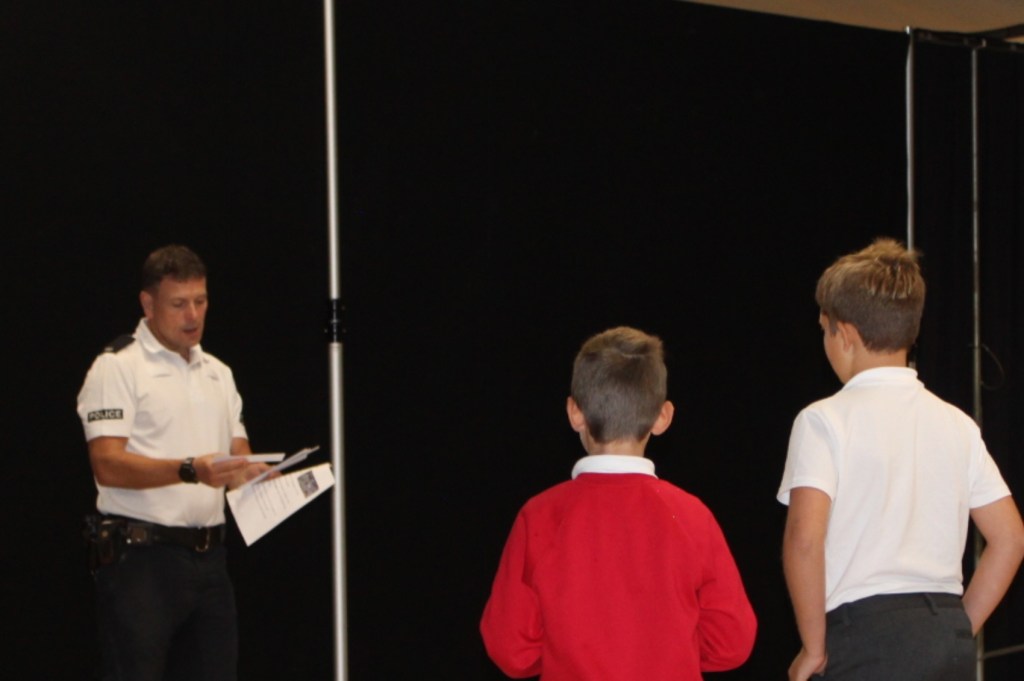
All of the island’s Primary Schools were involved in the training day, with more than 100 children from Key Stage 2 attending. Ms Hutchinson said the collaborative skills they’ll learn from the day, have a high importance in plans to mould future leaders locally.
“I think for me, that the really important thing about today is that all our primary schools are coming together. They’re collaborating.
“We’ve got the different services involved in delivering workshops and the children feel really important, and we want them to grow up in our primary schools knowing that we value them and that this is a potential leadership opportunity that could go into secondaries.”
Ms Hutchinson then confirmed that there are opportunities for leadership roles within secondary education also.
“That’s something we’d like to explore with our secondary partnership and then into the future workplace.”
Ms Hutchinson said the reason for developing leadership skills locally, is part and parcel of trying to keep talented minds in the Bailiwick.
“Guernsey is obviously a very small place compared to the big, wide world, and we want our young people to stay on island. There are so many opportunities when they are post 16, post 18, to train in all different sectors and become future leaders of Guernsey.
“We want this to be an aspirational Day, a day that sets the seed of what is there for me in Guernsey out there. Where can this take me?
“It’s lovely to see our pupils today wearing their digital leadership badges or their library badges with pride, because they are really proud to be the future leaders of Guernsey.”
