


Guernsey is missing out on hundreds of millions of pounds because of how the States manages its massive cash reserves, one of the island’s Deputies has warned.
Deputy Jennifer Strachan told Express the States’ investments had underperformed by “well in excess of £200m” over three years, compared to its own market benchmarks.
She said: “The market has been phenomenal… and we have a benchmark, but we missed it – not once, or even twice, but three times.”
“Start doing the maths – because of the huge sums we’re talking about, we would have £200m more.”
Deputy Strachan said her “concern is that there doesn’t appear to be any concern within P&R” about the poor performance of the investments.
She added: “We have all these assets… but it’s sort of parked in the back pocket.
“It’s a tool to get us where we want to go, yet we are just scratching the surface.”
Policy and Resources (P&R) and States’ Investment Board (SIB) have previously defended the current setup, arguing that public funds cannot track the market “on the nose every year.”
‘Keep fees on the island’
Now she’s calling on P&R to set up a ‘Sovereign Wealth Fund’ – which would shift the focus toward making the island’s investments actively support the local economy.
This would include giving the money to “quality” local fund managers, and briefing them to invest in ways that benefit the Bailiwick overall.
Currently, Guernsey’s investments are managed by a US-based investment consultant with no specific remit to consider the wider benefits for the island’s economy, she said.
“We have a pool of very successful fund managers here in Guernsey… let’s keep that fee income – which is substantial – let’s keep it on island.”
P&R has also previously pushed back against claims that it is deliberately snubbing local firms.
While the committee said it wanted to support the local finance industry, it claimed local fund managers “may not always provide a compelling case for investment in relation to the full global universe of managers available”.

She also argued that targeted investments could benefit Guernsey in other ways through a “multiplier effect”.
Deputy Strachan said: “If you listened to the States’ debate (last) Tuesday, you would have heard a mention of the potential wind farm.
“Infrastructure investment is something we’re very good at, so could we help get that moving if we could either commit some capital or guarantee some loans?”
‘Set guardrails and let them work’
Deputy Strachan said fund managers had been held back in the past, because blurred lines between politicians, civil servants and professional investors.
“What’s happened is that the civil servants get involved… so the lines of responsibility are now blurred.”
Instead of micro-managing local investments, she argues the States should simply set the outer boundaries – the “guardrails” – and let independent experts do their jobs in a “flexible and nimble” way.
“You tell them the trophy you want to win, and then you let them work,” she told Express.
‘Fix leaks before the ceiling falls in’
A central argument for shifting to a Sovereign Wealth Fund model is clarifying what Guernsey’s savings are actually for.
Deputy Strachan said ordinary islanders were understandably confused why the States needs to raise more tax, when it is quietly sitting on massive, untouched reserve funds.
The problem, she explained, is that the island is facing a wall of essential, but expensive upgrades to public buildings and infrastructure that only happen once in a generation.
This is what Guernsey’s investments should be used to fund, she said.
The Deputy told Express: “Hospitals will always need upgrades… they’re not every year, and they’re not every 10 years – they’re sort of every 25 or 30 years.
“And the schools are the same – there’s an art to staggering those, so that they don’t all come at once.”
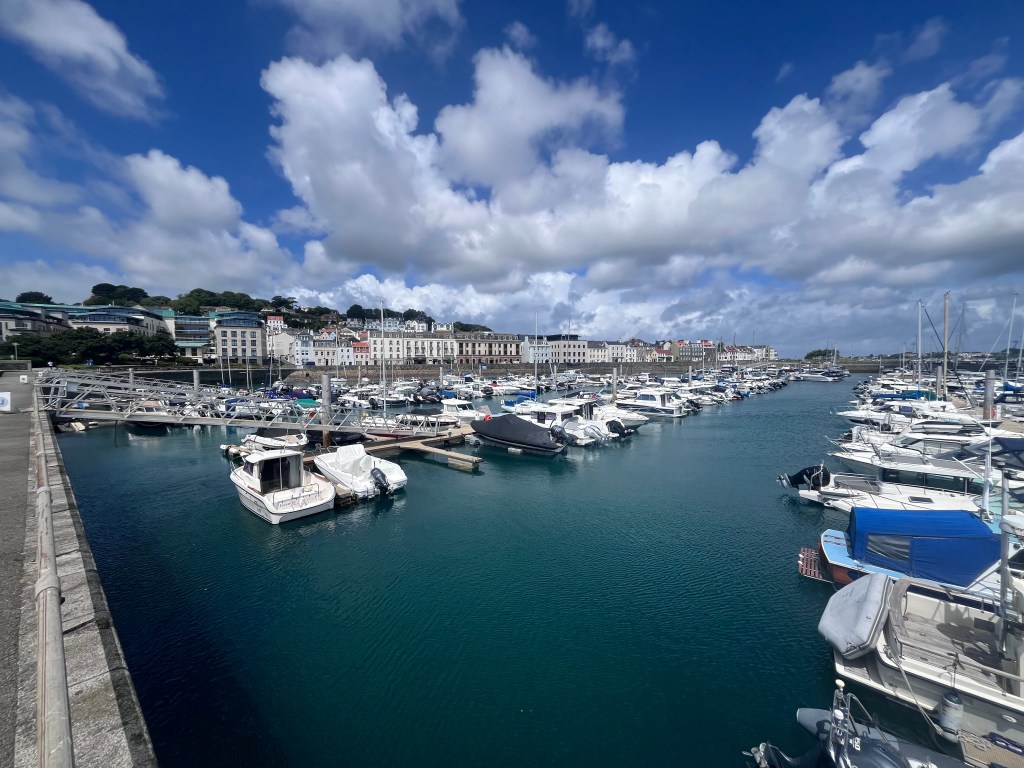
She warned that under the current Treasury setup, Deputies are forced to debate and vote on individual emergency repairs on an ad-hoc basis – such as fixing or replacing the gates at the Queen Elizabeth II Marina or removing toxic PFAS chemicals.
Because these projects are so expensive, the temptation for politicians is always to kick the can down the road.
“If you fix it now, the leak’s probably pretty fairly cheap to fix, but when the ceiling has fallen in then it becomes a lot more expensive.”
Instead of leaving major assets like a new sixth-form school centre or hospital renovations to political whim, she argues a dedicated Sovereign Wealth Fund would help map these multi-million-pound liabilities “holistically”, ensuring the money is there when the 25-year deadline hits.
