

An Islander with two boats and a collection of vintage vehicles has lost an income support appeal after providing pages of legal arguments – but failing to supply basic details of what was parked on his driveway.
The anonymous claimant declared £7,000 worth of “boats, cars, motorcycles, junk” when applying for support in April 2025.
But requests for valuations, photographs or even the makes, models and ages of the vehicles went unanswered, leaving officials unable to assess the application.
It was only during the Social Security Appeal Tribunal hearing that the collection came into focus.
Among the assets were a 30-foot sailing boat described as having “no value”, a second boat whose engine “probably won’t start”, a trike needing rewiring and a 1929 Hillman in pieces in a trailer.
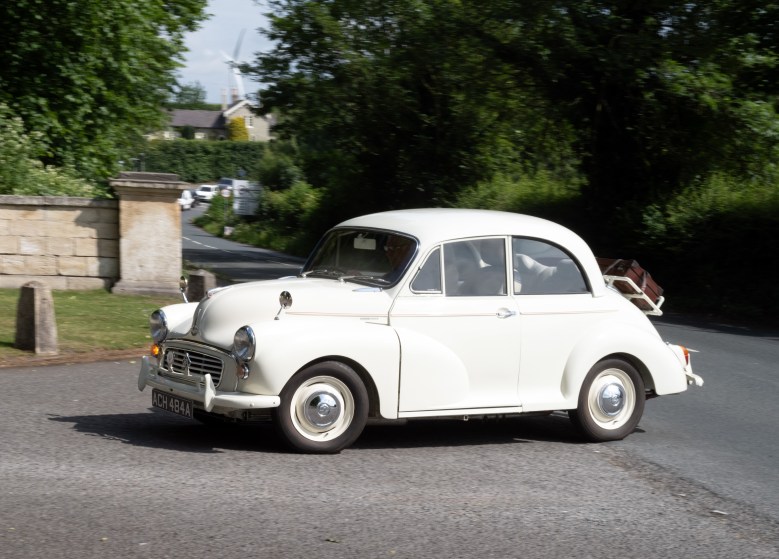
There were also several Standard 8s, an unroadworthy Morris Minor, and a customised Morris Marina kit car valued by the claimant at £50.
Mooring and storage costs came to approximately £4,350 a year. However, owning the collection was not itself the reason the claim failed.
Using the claimant’s estimates and excluding vehicles worth less than £1,000, the tribunal put the relevant assets at £6,500 – below the £9,137 capital limit.
Had the requested information been supplied, it said, the claim would likely have succeeded, “or at least not [been] disallowed due to excess capital”.
The claimant said other litigation had left them overwhelmed and maintained they had been told the vehicles needed to be sold.
The tribunal found that assertion was not supported by the evidence. Officials had also suggested free alternatives to professional valuations, including internet searches and photographs.
Despite having more than seven months, the claimant supplied none of that information – while preparing a 12-page legal submission.
The panel observed: “If the appellant had spent a fraction of the time spent on the legal research and preparation of documentation for this appeal, in searching the internet for evidence of the value of the vehicles, this appeal would have been unnecessary.”
All three members dismissed the appeal, although one subsequently raised concerns about the attention given to written submissions and the questioning during the hearing.
