


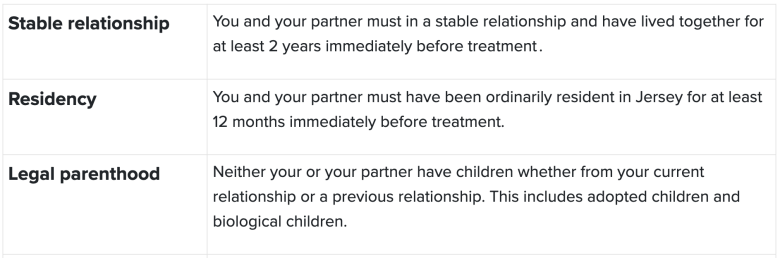
A women’s health campaigner is calling on the Government to expand its IVF funding criteria to include couples with children from previous relationships – after it emerged that most of those deemed ineligible were turned away for this reason.
Kate Fry was told as a teenager that having a baby might treat her endometriosis. Sixteen years later, she found herself paying thousands for IVF after years of “being let down by the health system” left her unable to conceive naturally.
When Mrs Fry was finally referred for IVF, she was told she didn’t qualify for funding – because her partner has a child from a previous relationship.
“The only reason I’ve been able to have a baby is through the bank of Mum and Dad,” she said.

Mrs Fry is one of several islanders speaking out about the Government’s new IVF criteria, which excludes applicants who already have children – even from previous relationships – or who are single, same-sex male couples, or have a higher BMI – from getting hold of any funding.
Mrs Fry said: “The fact that I do not fit into the [IVF] criteria, despite the fact that the reason I cannot try for a baby naturally is because I have been let down by the healthcare system, is shocking.”
The new access criteria for IVF funding came into force in January after politicians approved an amended proposition lodged by Deputy Lucy Stephenson last year.
Under this model, all couples are eligible for one funded cycle of the fertility treatment, irrespective of income.

Islanders with a gross household income of less than £200,000 are eligible for two funded cycles of IVF, while couples earning under £82,300 are eligible for three funded cycles.
In addition to the financial criteria, couples must meet a set of specifications, including age and BMI restrictions.
There is also the requirement for the couple to be in a “stable relationship”, and for both partners to be childless – including children from previous relationships.
Deputy Stephenson previously raised concerns that the IVF funding criteria might exclude existing parents struggling to conceive another child.
“I would like to see this addressed with future policy improvements,” she added.
Experts said that same-sex couples were likely to face higher costs under the new funding model, while the CEO of a local equality and diversity charity said it was “disappointing” that Jersey’s LGBTQ+ community had not been consulted during the development of the guidelines.
The Health Minister himself acknowledged that the funding criteria excluded some groups – including single people of all genders, same-sex male couples, couples where one or both partners are already a parent, couples who have already privately funded their own IVF treatment, and couples with higher household incomes.
Speaking at a recent scrutiny hearing about women’s health, consultant Professor Enda McVeigh confirmed that around 60% of those deemed ineligible for IVF funding so far were in relationships where one or both partners already had a child.
The next largest group included those with a higher BMI or smokers.
The fertility expert said that broadening eligibility would increase costs and could lead to waiting lists, but said this could be managed with a fixed annual budget like in Scotland.
Around 20 cycles of IVF were funded under the new model between January and April, which has a yearly target of 80.
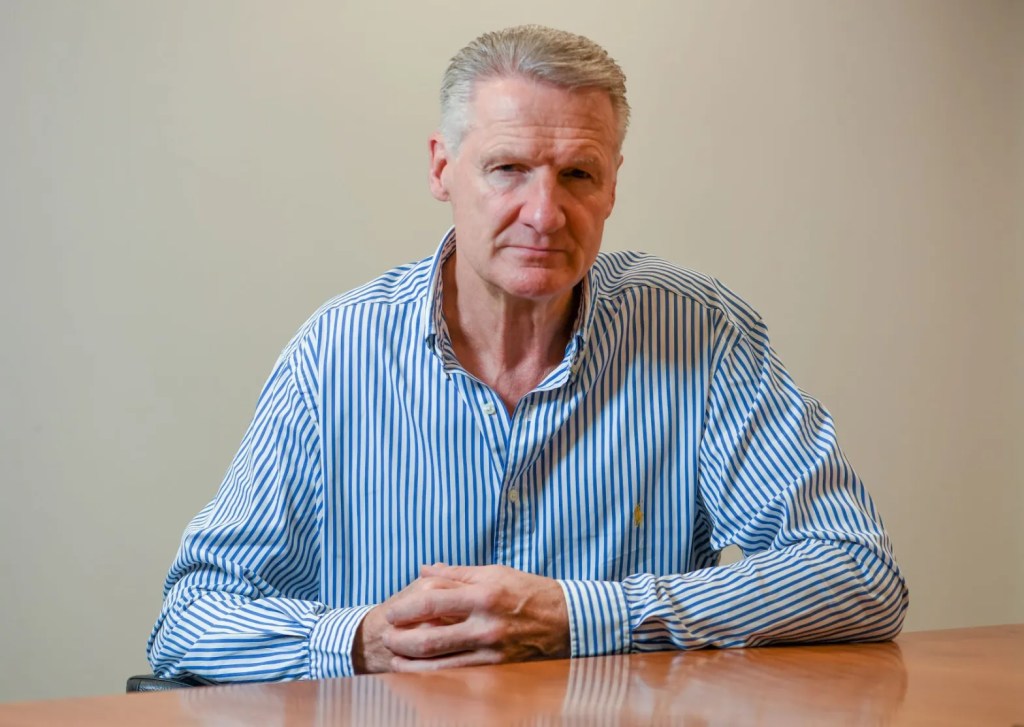
Assistant Health Minister Andy Howell confirmed in recent months that the IVF funding criteria would not be expanded at this time, but said a further review is planned for the end of 2025.
The Government’s own Women’s Health and Wellbeing Assessment, published in December, found that many islanders face emotional and financial barriers to accessing fertility treatment.
It read: “The government is investing more monies to allow more people to access government-funded IVF cycles in UK clinics, but this will not include everyone who would benefit from IVF.
“In addition, patients must still fund their own travel and accommodation costs.
“Some countries like France and Spain offer more affordable and accessible fertility treatments.”
