

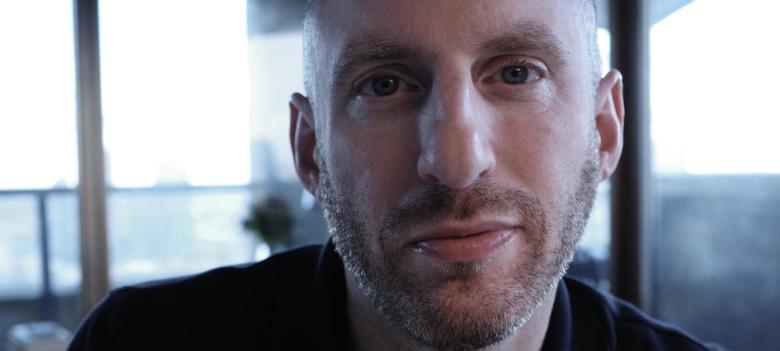
An upcoming Channel 4 documentary questioning the way ADHD is understood risks shaming thousands of people who have finally found answers after years of struggle, a local support group is warning.
ADHD Jersey issued a statement following the announcement of Channel 4’s The Great ADHD Myth?, which follows NHS psychiatrist Dr Max Pemberton as he explores the controversy surrounding ADHD, its causes and the way it is treated.
The local non-profit organisation said it welcomed open discussion about diagnosis and treatment, but warned that questioning whether ADHD is “real” risked causing harm to those who had spent years struggling before finally receiving an explanation.
Difficult conversations are “important” but “must reflect the full picture”
“The way we frame ADHD matters,” the organisation said. “At ADHD Jersey, we believe difficult conversations are important.
“Questions about diagnosis, assessment quality, prescribing and support should always be asked.
“Good healthcare depends on evidence, scrutiny and continuous improvement. However, those conversations must reflect the full picture.”
There are currently almost 1,200 adults in Jersey on the waiting list for an ADHD diagnosis, with the median wait already close to two years.
Meanwhile, Jersey’s Child and Adolescent Mental Health Service suspended all new requests for children to begin ADHD medication earlier this year because the service was operating at “full capacity”.
Before asking why so many people now need support, perhaps we should first ask what happened when support was denied to them for decades
adhd jersey
AHDH Jersey stressed that treatment for the disorder extended far beyond medication, saying evidence-based support could also include education, psychological therapies, practical coping skills, exercise, good sleep, nutrition, or adjustments at school or work.
It also argued that greater awareness of ADHD had exposed the shortcomings of past understanding, noting that many women and girls had historically been overlooked because they did not fit the stereotype of the “disruptive, hyperactive boy”.
Whilst adults were often treated for anxiety, depression, addiction, burnout or relationship difficulties without anyone recognising ADHD as a possible underlying cause.
“Questioning whether ADHD is ‘real’ does not happen in a vacuum”
While acknowledging that “not every assessment is perfect or every diagnosis is correct”, ADHD Jersey said this reflected an evolving understanding of the condition rather than evidence that it did not exist.
The organisation questioned how many wider social problems might have been reduced if more people had received appropriate support decades earlier.
“We cannot spend decades failing to recognise ADHD and then judge people for the consequences of living without support,” it said.
It added that early recognition was “not a cure” and that diagnosis alone was not enough, but said access to treatment, education and practical support “could have changed the course of their lives” for many people.
“Questioning whether ADHD is ‘real’ does not happen in a vacuum. It risks shaming thousands of people who have finally found an explanation for struggles they have lived with for years.”
The statement concluded by urging the public to consider “the cost of not recognising ADHD”, arguing that the language used around the condition influenced not only headlines but also public understanding, government policy, research, funding and whether people felt able to seek help.
“Before asking why so many people now need support, perhaps we should first ask what happened when support was denied to them for decades,” added ADHD Jersey.
Documentary “does not deny the lived experience of people with ADHD traits”
Channel 4 said the documentary would hear from medical experts questioning “the conventional narrative” around ADHD and would follow a family exploring whether lifestyle changes could remove one boy’s need for ADHD medication.
A spokesperson for the channel said the programme “does not deny the lived experience of people with ADHD traits”, but instead features senior medical and academic experts who question whether ADHD is a neurodevelopmental disorder, whether modern life has contributed to rising diagnoses, and whether alternatives to medication may be more appropriate for some children.
Dr Max Pemberton said: “As a psychiatrist, I’ve watched ADHD go from a diagnosis that was only occasionally made and after careful assessment, to one that is increasingly demanded and dispensed, and I wanted to understand why.
“There’s no doubt that the people seeking these diagnoses are genuinely struggling; that isn’t in question.
“What the film asks is whether ADHD is really the best explanation for that struggle and my hope is that we come away with permission to ask better questions about what modern life is doing to all of us.”
