

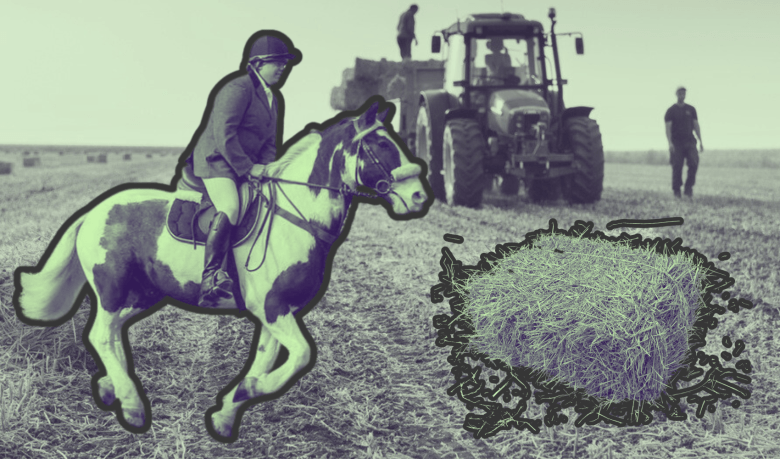
The owner of a Jersey equestrian centre has spoken out after falling victim to what she believes to have been repeated thefts – but, rather than the result of a prank or petty crime, the reason for the missing bales may well be linked to a little-known global issue…
If you’re not a member of the horse or farming community, you probably haven’t heard of the hay shortage – but Rebecca Dorey thinks that it may be the reason her business has been targeted.
After repeatedly dealing with missing hay and feed, the RD Equestrian LTD owner felt that enough was enough, and took to social media to voice her concerns.
“Unfortunately, in the past few weeks, we have had hay and feed taken from the premises,” she wrote.
“Now, as a lot of you are aware, we are currently in a reasonable state of ongoing hay shortage.
“Like many livery and yard owners, I try to budget the best I can do to cover all bases. This has included buying in pallets of haylage to try and see me through to the next season.
“But to come into work after a day off and find on one occasion five bales of haylage taken, almost a whole bin of pony nuts and a half bin of chaff taken, it’s a bit upsetting.”
An “ongoing problem”
Speaking to Express, Rebecca explained that disappearing hay has become an “ongoing problem” over the “past couple of months”, which she described as “seriously frustrating”.
It “unfortunately” happens not only to her but to other islanders “on a regular basis”, she said.
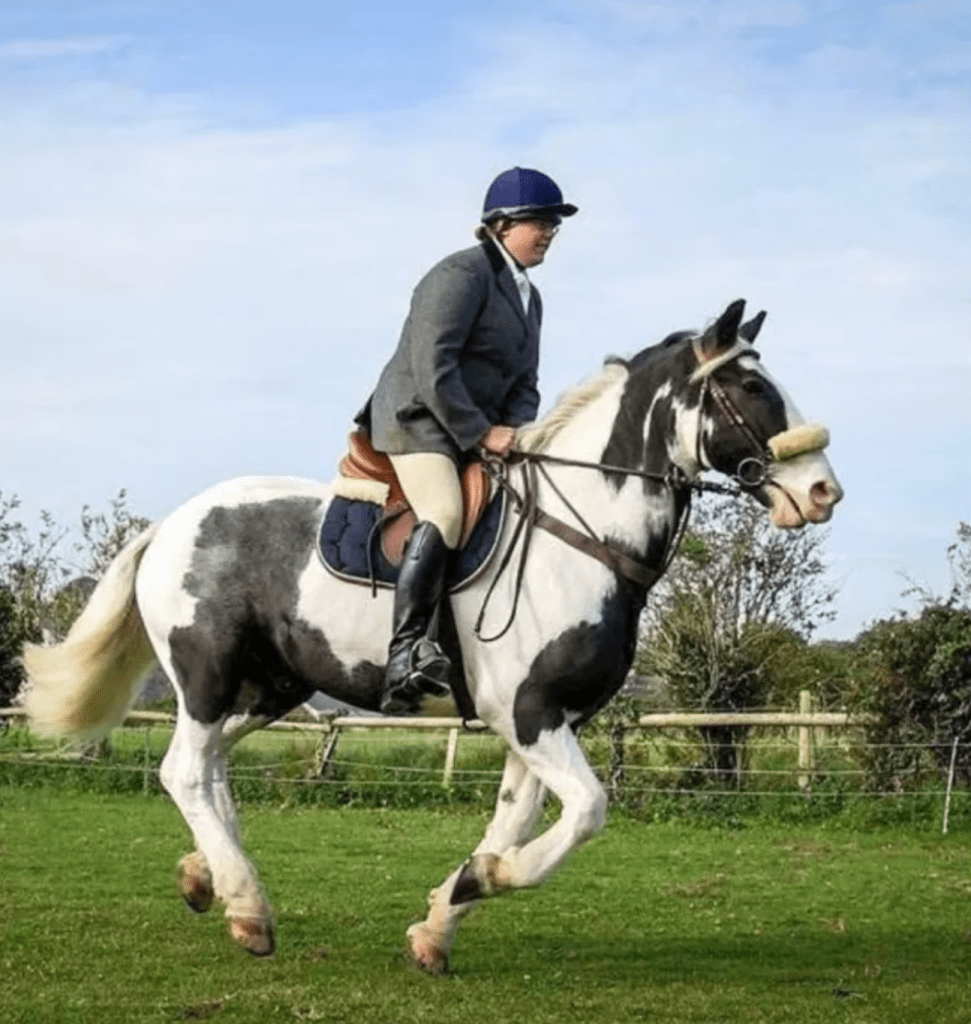
In the past, RD Equestrian used large round bales – roughly 250kg each – which seemed to get used up quicker than expected, making it harder to tell if some had been taken.
However, since changing to “smaller shop bought bales”, Rebecca said it has been “noticeable when the bales are missing”.
For example, she explained: “One week seven bales were taken between 5pm on the Saturday and 7.30am on the Sunday.
“Having spoken with the weekend girls, they had only used three bales for the day.
“The past two weekends, bales have been taken, and approximately one bag worth of pony nuts and a bag of chaff.”
Why would someone steal hay?
It isn’t possible to know what happened to the hay at RD Equestrian, as, at the time, Rebecca did not have CCTV footage on her premises.
But one possible explanation, she said, is people resorting to theft because of a hay shortage, which Rebecca said would be a sorry state of affairs – particularly because she thinks of herself as “approachable” and as someone who “would always offer to help” if someone needed hay for their horse.
The hay shortage, she explained, is because “last summer was very hot and very dry, meaning the hay season was incredibly short”.
Other hay suppliers echoed Rebecca’s concerns, describing how not having the “right amount of rainfall” led to less yield.
Several who usually grow their own hay have resorted to buying some from the UK so they don’t run out. But, because there are also shortages there, it can affect prices.
A large bale of hay cost £73 per tonne in December 2024, according to the Agriculture and Horticulture Development Board, while as of January 2026 the same bale was reported to cost £131 per tonne.
However, price differences can be difficult to track, because people buy hay bales in all sorts of sizes.
What is causing the hay shortage?
Animal Kingdom founder Ian Barette explained that the consequences of “adverse weather conditions” last summer were particularly felt in the UK.
“Due to adverse weather conditions during the summer of 2025, some areas of the UK experienced poor hay and haylage harvests,” he explained.
“As a result, certain growers currently have insufficient stock to meet customer demand until next summer’s harvest. However, this is not a nationwide issue, and other UK hay producers continue to supply as normal.
“As a Jersey-owned business, Animal Kingdom understands the impact that challenging weather conditions can have on the island’s supply chain.”
Ian explained that the company “maintains substantial local stock to meet typical customer demand”.
“Crop failures, stock shortages, bad weather and their economic consequences are an inherent part of agricultural life,” he added.
“Although not anticipated at this stage, in previous years when hay has been scarce, Animal Kingdom has continued to supply customers by sourcing replacement products from continental Europe and, when necessary, Canada.
“If required, customers can rest assured that we will do so again.”
