


The Jersey Financial Services Commission (JFSC) says there has been a spike in the number of malicious emails purporting to be from a legitimate person or company which, in a scam known as ‘phishing’, tries to get recipients to make payments, handover login information or spread dangerous files onto their computers.
The regulator believes that those behind the scams are exploiting the virus crisis and the circumstances of lockdown to make increased phishing attempts.
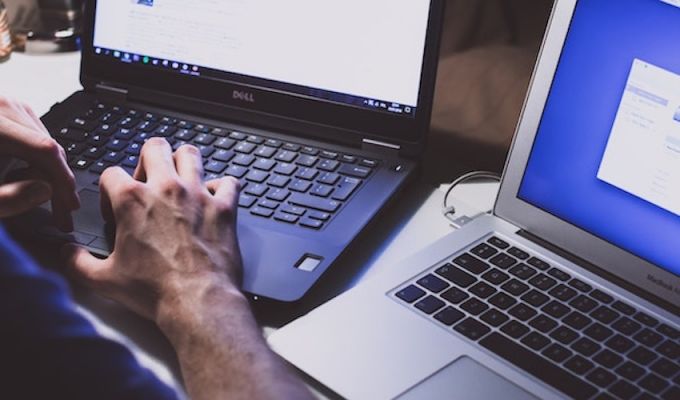
Pictured: Businesses are being warned to be extra careful about their cyber security.
JFSC Cyber Security Senior Manager, Davey Sandiford, commented: “Malicious actors are increasing their campaigns across all sectors at the moment, looking to exploit not only the fear factor around covid-19, but also the number of people working from home who may be less cautious and more likely to fall victim to a scam email.
“We have certainly seen an increase in phishing attempts being blocked by our systems, including specific targeted emails using impersonation techniques.
“It is imperative that we all remain vigilant. If you receive an email that you have concerns about, you should not carry out any action requested by the sender, whether that’s clicking on a link, opening an attachment, responding with your details or making a payment.”

Pictured: The JFSC has issued advice to guard against fraudulent attacks.
In order to guard against such attacks, the JFSC recommends that businesses look out for the following:
- requests to transfer money or make a financial decision/activity;
- insistent calls to act now: phishing emails often try to create a sense of urgency to demand immediate action;
- grammar and spelling mistakes in the email address, body of the email or in the name of the person signing off the email;
- requests to click a link or open an attachment: hovering over the URL may help to signal a fraudulent email.
The JFSC also advises not to call the telephone listed in the email unless you are sure. Instead, contact the person or organisation separately to check that their ‘email’ is genuine.
If you think you have fallen victim to a scam, you should contact the Police on 01534 612612.
