

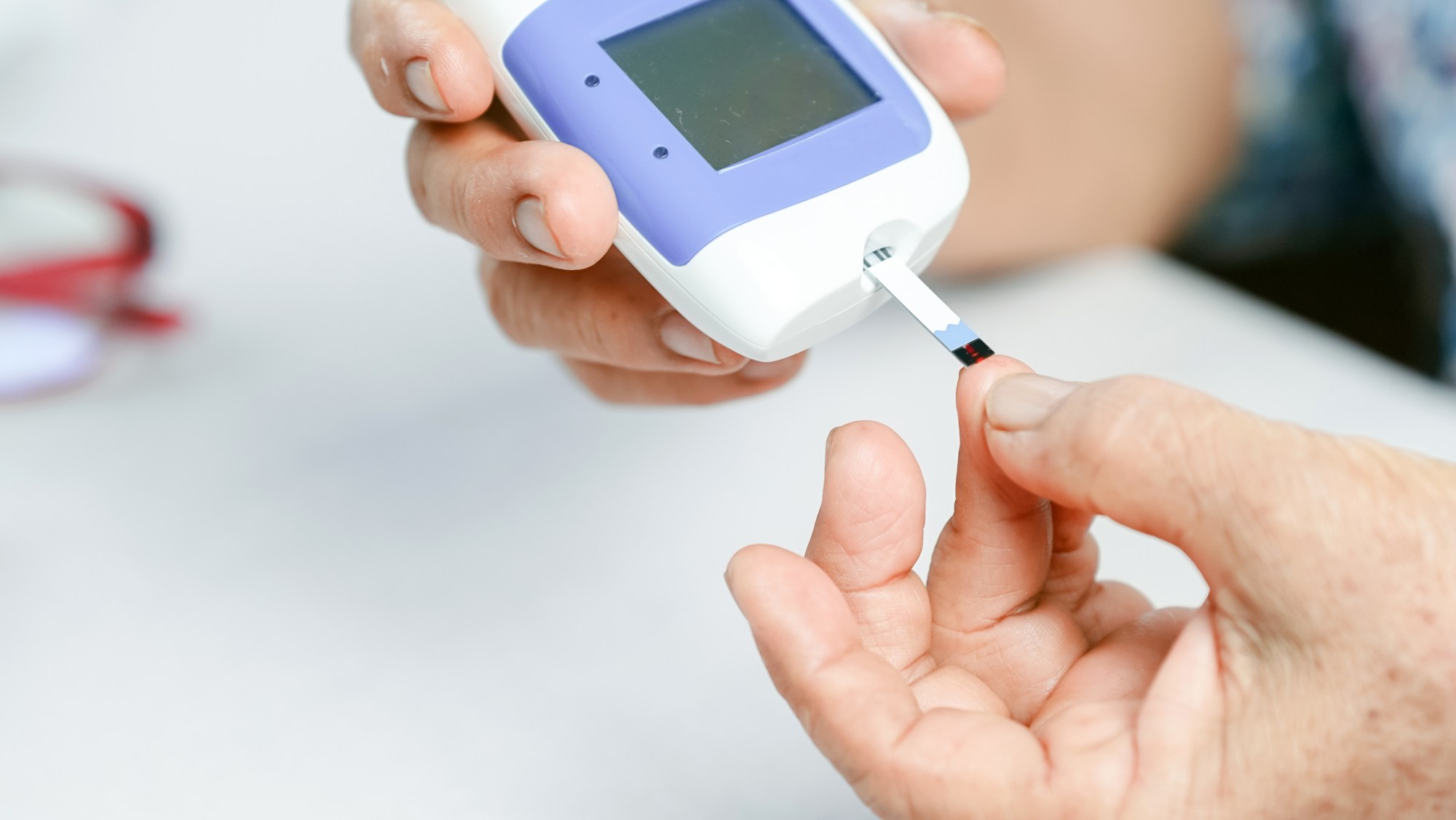
Up to 500 Islanders at risk of developing type 2 diabetes will be offered free support to make lasting lifestyle changes through a new nine-month programme.
Public Health Jersey’s Diabetes Prevention Programme is now open to eligible residents, with places available over the next two years.
It is aimed at people with prediabetes – when blood sugar levels are higher than normal but below the threshold for a type 2 diabetes diagnosis.
The condition often has no obvious symptoms, meaning people may be unaware they are at increased risk. Early support and lifestyle changes can help many return to healthy blood sugar levels.
Participants will receive personalised coaching covering physical activity, nutrition, sleep, mental health and wellbeing.
Delivered by DDM Health, the programme offers face-to-face, digital and remote support, with help available in Portuguese and other languages where required. Participants will also have access to the GRO Health app for education and coaching.
Public Health Jersey interim director Dr Andrea Sanabria said: “Type 2 diabetes can have a significant impact on people’s health, but for many it’s preventable.”
She added: “By intervening early, we can support people to live well for longer and reduce the future impact of long-term conditions across our community.”
Diabetes Jersey, which has funded participant resources, welcomed the launch.
Its chairman, Bill O’Brien, said: “Supporting people identified as having prediabetes to make positive lifestyle changes is an important step in helping Islanders reduce their risk of developing type 2 diabetes.
“Early intervention can make a significant difference to long-term health outcomes.”
Islanders diagnosed with prediabetes, or who think they may have it, can be referred by their GP or self-refer at gov.je/jdpp.
People concerned about their risk can also speak to their GP. Those living with obesity, with a family history of type 2 diabetes or with other risk factors may benefit from a blood test.
The programme is intended for people who have not already been diagnosed with type 2 diabetes.
